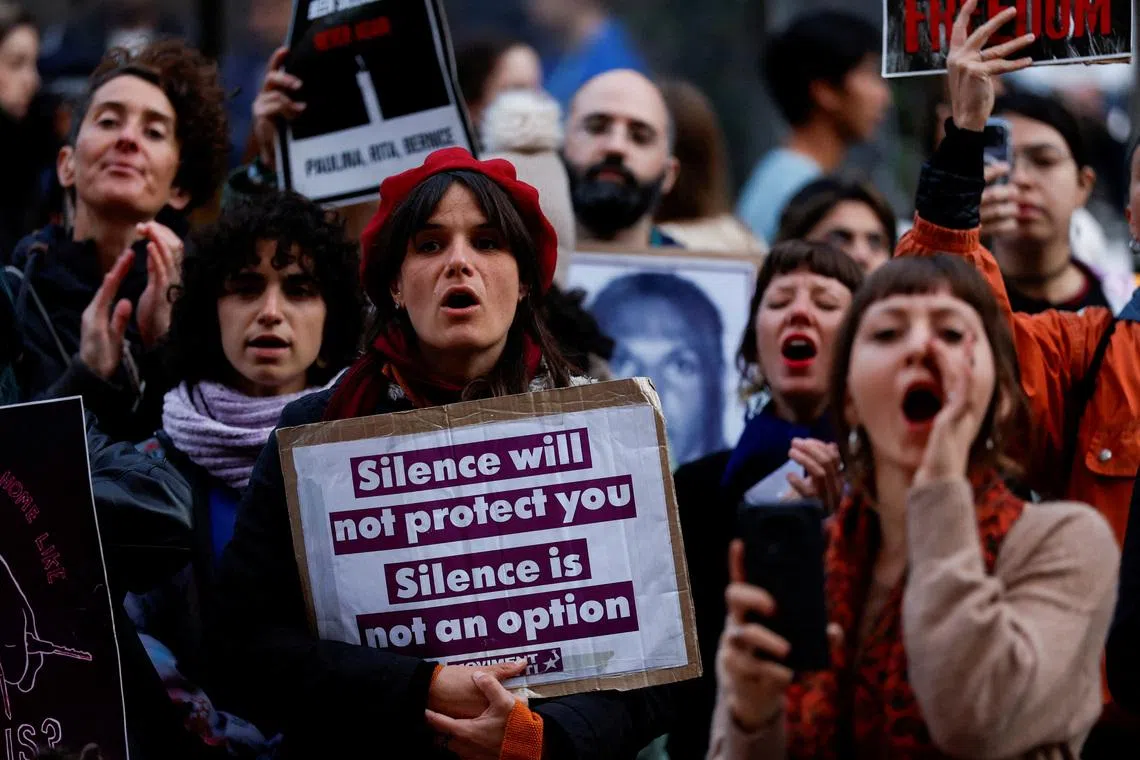
One in Three EU Women Experience Violence, Vast Majority of Cases Go Unreported
Brussels, March 3 – A new survey reveals a stark reality for women across the European Union: roughly one in three have experienced some form of violence during their lifetime. The findings, released today, highlight not only the prevalence of physical and sexual abuse but also the significant underreporting of these crimes, leaving many victims without access to justice or support. The study, conducted by the EU Agency for Fundamental Rights (FRA) and the European Institute for Gender Equality (EIGE), underscores the urgent need for improved prevention strategies, victim protection measures and increased trust in law enforcement across the bloc.
The data shows a concerning gap between the experience of violence and official reporting rates. While approximately 30.7% of women across the EU report having experienced violence, only 11.3% reported physical or sexual abuse by non-partners to the police. The reporting rate for violence perpetrated by intimate partners is even lower, at just 6.1%. This reluctance to come forward is rooted in a complex web of factors, including shame, self-blame, fear of retaliation, and a lack of confidence in the justice system. Limited awareness of available support services also contributes to the problem, leaving many women feeling isolated and unable to seek assist. Addressing EIGE’s mission to promote gender equality requires a multi-faceted approach that tackles both the root causes of violence and the barriers to reporting.
The survey, which drew on interviews with nearly 115,000 women aged 18 to 74 between September 2020 and March 2024, paints a comprehensive picture of the various forms of abuse women face. Beyond physical and sexual violence, the study highlights the widespread prevalence of psychological, economic, and online abuse. These often-overlooked forms of violence can have devastating long-term consequences for victims, impacting their mental health, economic stability, and overall well-being. The European Institute for Gender Equality, established in 2007 and based in Vilnius, Lithuania, plays a crucial role in collecting and analyzing data on gender equality issues, informing policy decisions at both the EU and national levels.
Prevalence Varies Significantly Across the EU
The incidence of violence against women varies dramatically across EU member states. The survey revealed a wide range, from a high of 57.1% of women experiencing violence in Finland to a low of 11.9% in Bulgaria. This disparity raises important questions about the factors contributing to these differences, including cultural norms, legal frameworks, and the availability of support services. Finland’s high rate, despite its reputation for gender equality, has been termed the “Nordic paradox,” a phenomenon first observed in a 2012 FRA survey.
The “Nordic paradox” suggests that higher levels of gender equality may, paradoxically, be associated with higher reported rates of violence. Researchers theorize this could be due to several factors. One possibility is that women in more egalitarian societies are more likely to perceive certain behaviors as unacceptable and report them as violence. Another explanation is that differing perceptions of sexual encounters and reporting behaviors across countries contribute to the observed discrepancies. It’s important to note that these are complex issues with no uncomplicated answers, and further research is needed to fully understand the underlying dynamics. The FRA, as the EU’s agency for fundamental rights, continues to investigate these trends and provide evidence-based recommendations to policymakers.
Sweden and Denmark, also known for their progressive gender equality policies, also reported high rates of violence, with 52.5% and 47.5% of women experiencing violence respectively. In contrast, countries in Southern Europe generally reported lower rates, although researchers caution that these figures may be influenced by underreporting due to cultural factors and lower levels of trust in law enforcement. The study emphasizes that simply comparing prevalence rates across countries can be misleading without considering the broader social and cultural context.
Why Reporting Rates Remain Low
The low reporting rates are a major concern for both the FRA, and EIGE. The survey identified several key barriers preventing women from seeking help. Shame and self-blame were frequently cited as reasons for not reporting, reflecting the societal stigma surrounding violence against women. Fear of retaliation from perpetrators, particularly in cases of intimate partner violence, also played a significant role. Many women also expressed a lack of trust in law enforcement, fearing that their concerns would not be taken seriously or that they would not receive adequate protection.
Limited awareness of available support services and difficulties accessing those services further exacerbate the problem. Many women are unaware of their rights or the resources available to them, while others face practical barriers such as language difficulties, geographical limitations, or a lack of financial resources. Addressing these barriers requires a comprehensive approach that includes raising awareness of support services, improving access to those services, and building trust between women and law enforcement agencies. The European Union Agency for Fundamental Rights emphasizes the importance of empowering women and providing them with the tools and resources they need to protect themselves and seek justice.
The Broader Impact and Ongoing Efforts
Violence against women is not only a violation of fundamental human rights but also has significant economic and social costs. It can lead to physical and mental health problems, reduced productivity, and increased healthcare costs. It also undermines women’s ability to participate fully in society and achieve their full potential. The EU has recognized violence against women as a priority policy area and has taken steps to address the issue through legislation, funding programs, and awareness-raising campaigns.
In 2022, the European Commission proposed a new directive on combating violence against women, aiming to harmonize laws across the EU and strengthen victim protection measures. The proposed directive includes provisions on criminalizing certain forms of violence, such as marital rape and female genital mutilation, and improving access to justice for victims. However, the directive has faced opposition from some member states, highlighting the challenges of achieving consensus on this sensitive issue. The Treaty of Lisbon recognizes gender equality as a fundamental right, providing a legal basis for EU action in this area.
FRA Director Sirpa Rautio emphasized the obligations of member states to prevent violence, protect victims, and ensure access to justice. “These findings show there is still urgent work to do,” she stated. The ongoing work of the FRA and EIGE, along with the efforts of national governments and civil society organizations, is crucial to creating a safer and more equitable future for women across the European Union. The next major development to watch is the progress of the proposed EU directive on combating violence against women, with ongoing negotiations expected throughout 2026.
Key Takeaways:
- Approximately one in three women in the EU have experienced violence in their lifetime.
- Reporting rates for violence against women remain alarmingly low, with only a small percentage of incidents reported to the police.
- The “Nordic paradox” highlights the complex relationship between gender equality and reported rates of violence.
- Barriers to reporting include shame, fear, distrust in law enforcement, and limited access to support services.
- The EU is taking steps to address violence against women through legislation and funding programs, but further action is needed.
This report underscores the critical need for continued vigilance and sustained efforts to combat violence against women across the European Union. We encourage readers to share this information and engage in discussions about how to create a safer and more just society for all.
Related reading