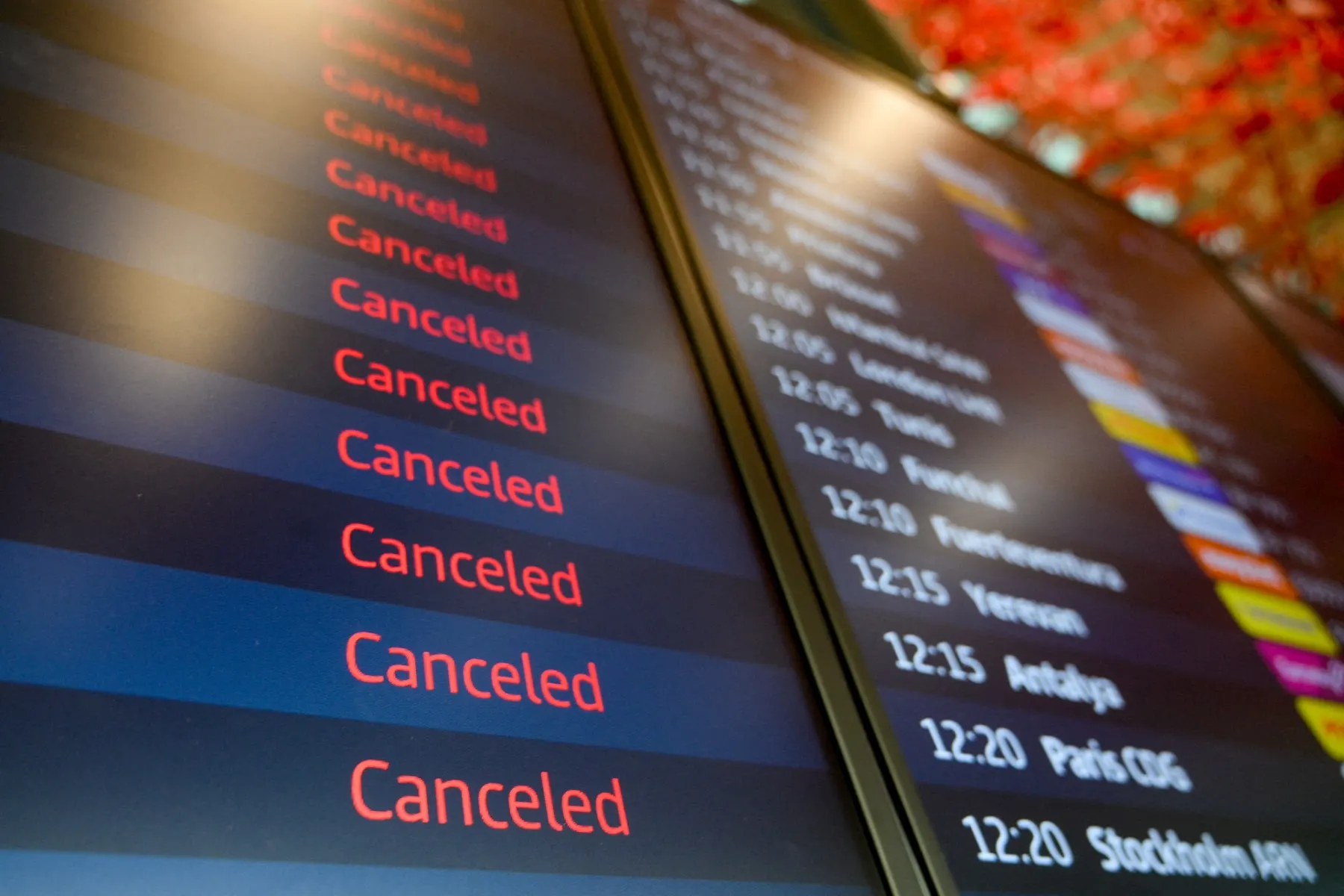
European airlines are sounding the alarm over a looming energy crisis, urging the European Union to implement emergency measures as the ongoing war in Iran threatens to choke the continent’s jet fuel supply. The aviation sector is currently grappling with a volatile mix of widespread airspace closures and mounting fears of a systemic fuel crunch that could disrupt global travel.
The crisis has intensified following the closure of the Strait of Hormuz, a critical maritime chokepoint. According to reports, the industry group Airports Council International Europe (ACI) warned last week that Europe could face a systemic jet fuel shortage within three weeks via Economic Times/Reuters.
While the European Commission stated on Tuesday, April 14, 2026, that the EU currently faces no immediate jet fuel shortage, officials acknowledged that significant risks remain over future supply amid the conflict and continued airspace restrictions via Global Banking & Finance Review. This discrepancy between industry warnings and Commission assessments highlights the growing tension between aviation stakeholders and regulators.
The instability is compounded by the broader geopolitical fallout of the U.S.-Israeli war on Iran, which began on February 28. The conflict has already forced a massive reconfiguration of flight paths, with the European Union Aviation Safety Agency banning European airlines from operating in the airspace of several Gulf countries, including Qatar and the UAE, until April 24 via Economic Times/Reuters.
Industry Demands for EU Emergency Intervention
Facing these headwinds, the industry group Airlines for Europe (A4E) has submitted a document to Brussels requesting a comprehensive crisis response. The group argues that the combination of increased flight times due to airspace closures and the potential for fuel scarcity requires immediate policy shifts to prevent a total sector collapse.

A4E has specifically requested that the EU introduce the following measures:
- EU-level monitoring: Establishing a centralized system to track and manage jet fuel supplies across the bloc.
- Tax suspensions: A temporary suspension of the EU’s carbon market for aviation and the scrapping of specific aviation taxes to offset rising operational costs.
- Joint Procurement: The implementation of joint EU purchasing of kerosene (jet fuel).
The request for joint purchasing mirrors a strategy the EU used in 2022 to shore up natural gas supplies after Russia slashed deliveries to Europe. However, industry leaders note that this model has not yet been applied to oil or kerosene products via Economic Times/Reuters.
The Impact of Airspace Closures and the Strait of Hormuz
The aviation sector’s vulnerability is not solely about the volume of fuel, but the accessibility of it and the efficiency of its delivery. The closure of the Strait of Hormuz has created a bottleneck for energy exports, leading to the “jet fuel crunch” feared by ACI. When primary shipping lanes are blocked, the cost of transporting fuel increases and the risk of localized shortages rises.
Simultaneously, the ban on operating in Gulf airspace—currently in effect until April 24—forces airlines to take longer, more circuitous routes. Longer flights require more fuel per journey, which increases the overall demand on a supply chain that is already strained by the war in Iran.
Key Timeline of Aviation Disruptions
| Date/Period | Event/Action |
|---|---|
| February 28 | U.S.-Israeli war on Iran begins; initial airspace closures start. |
| Early April | ACI warns of potential systemic jet fuel shortage within three weeks. |
| April 14 | European Commission reports no current shortage but warns of remaining risks. |
| Until April 24 | EU Aviation Safety Agency ban on Gulf airspace (including UAE and Qatar) remains in place. |
What Which means for Global Travel
For the global traveler, these developments could translate into higher ticket prices and increased flight delays. The demand for the suspension of aviation carbon taxes by A4E suggests that airlines are struggling to absorb the costs of both the war-driven fuel volatility and the environmental mandates imposed by the EU.
If the EU does not adopt the joint purchasing model for kerosene or provide tax relief, airlines may be forced to pass these costs directly to consumers. The continued closure of Gulf airspace means that flights to Asia and the Middle East will remain longer and more expensive until the safety bans are lifted.
The situation remains fluid. While the European Commission maintains that supplies are currently stable, the industry’s push for emergency measures indicates a lack of confidence in the current market’s ability to withstand a prolonged conflict in the region.
The next critical checkpoint for the industry will be April 24, when the current ban on operating in the airspace of several Gulf countries is scheduled for review.
World Today Journal encourages readers to share this report and leave comments below regarding how these disruptions are affecting your travel plans.
Worth a look