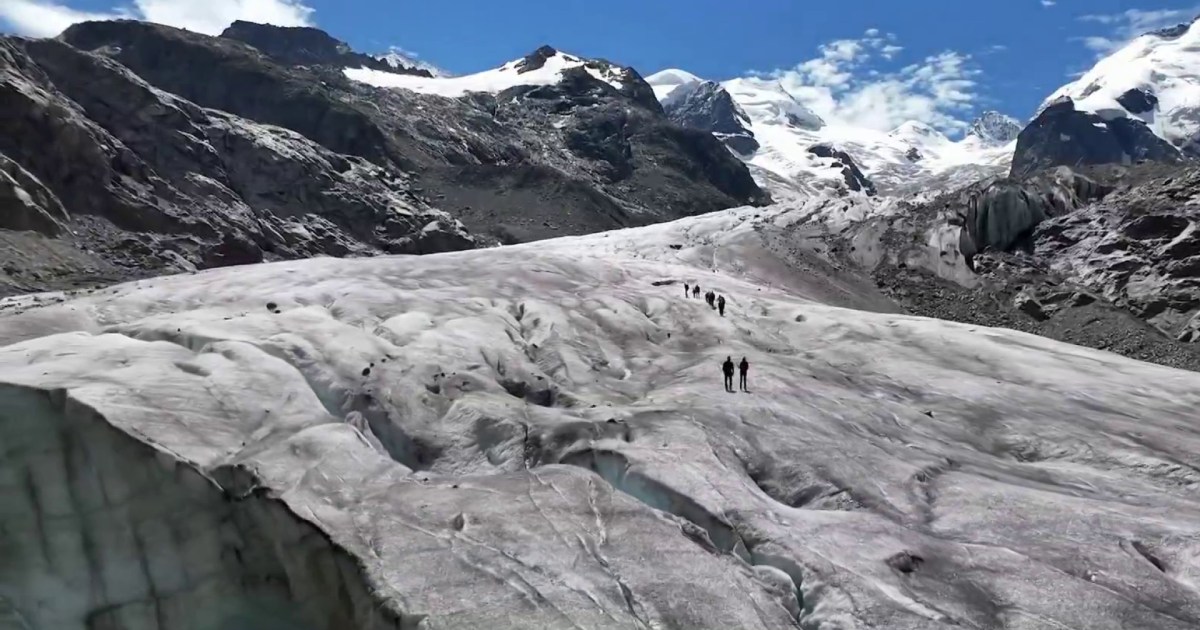
Europe’s Glaciers: A Rapidly Disappearing Landscape
Europe’s glaciers are vanishing at an alarming rate, representing one of the most visible and concerning consequences of our changing climate. Recent observations confirm that these icy giants are melting faster than ever before, impacting ecosystems, water resources, and even global sea levels. Understanding this phenomenon is crucial for grasping the scale of the climate crisis and preparing for its far-reaching effects.
The Accelerating Melt: What’s Happening?
Glaciers act as vital freshwater reservoirs, slowly releasing water throughout the year. However, rising global temperatures are disrupting this natural cycle. Here’s a breakdown of the key factors driving the accelerated melt:
Increased Air Temperatures: Warmer air directly melts the glacial ice.
Reduced Snowfall: Less snow in the winter means less replenishment for the glaciers during the summer months. Darkening Ice: Dust, soot, and algae settling on the ice surface reduce its reflectivity, causing it to absorb more heat.
Ocean Warming: For glaciers that terminate in the ocean,warmer water erodes the ice from below.
I’ve found that the speed of this melt is particularly striking when comparing past data with current observations. The changes are not gradual; they are accelerating.
Impacts You Shoudl Be Aware Of
The loss of glacial ice has cascading effects, impacting various aspects of life in and beyond Europe. Consider these critical consequences:
Water Scarcity: Many communities rely on glacial meltwater for drinking water,irrigation,and hydropower. Diminishing glaciers threaten these vital resources.
Increased Flood Risk: Initially,increased meltwater can lead to glacial lake outburst floods (GLOFs),posing immediate danger to downstream populations.
Sea Level Rise: Meltwater contributes to rising sea levels, threatening coastal communities worldwide.
Ecosystem Disruption: Glacial ecosystems are unique and fragile. Their loss impacts specialized plant and animal life.
Tourism & Recreation: The iconic landscapes of European glaciers attract tourists, supporting local economies. Their disappearance impacts these industries.
Regional Variations: where is the Melt Most Severe?
While all European glaciers are affected, some regions are experiencing more dramatic losses than others.
The Alps: The Alps, home to many iconic glaciers, are witnessing significant ice loss, impacting water resources and tourism. The Scandinavian Mountains: Glaciers in Norway, Sweden, and Iceland are also shrinking rapidly, contributing to sea level rise.
The Pyrenees: These mountains, forming a natural border between France and Spain, are experiencing a decline in glacial ice.
Here’s what works best when assessing regional impacts: focusing on local data and understanding the specific vulnerabilities of each area.
What Can Be Done? Addressing the Crisis
Addressing glacial melt requires a multi-faceted approach, focusing on both mitigation and adaptation.
Reduce Greenhouse Gas emissions: This is the most crucial step. Transitioning to renewable energy sources, improving energy efficiency, and reducing deforestation are essential. Invest in adaptation Measures: Communities need to prepare for the consequences of glacial melt, such as water scarcity and increased flood risk.
Monitor Glacial Change: Continuous monitoring provides valuable data for understanding the rate of melt and predicting future impacts.
Promote Sustainable Tourism: Encouraging responsible tourism practices can definitely help minimize the impact on fragile glacial environments.
You can contribute by supporting policies that address climate change, reducing your carbon footprint, and advocating for sustainable practices in your community.
Looking Ahead: A Call to Action
The fate of Europe’s glaciers is inextricably linked to the future of our planet. The current rate of melt is unsustainable, and urgent action is needed to mitigate the impacts and protect these invaluable resources