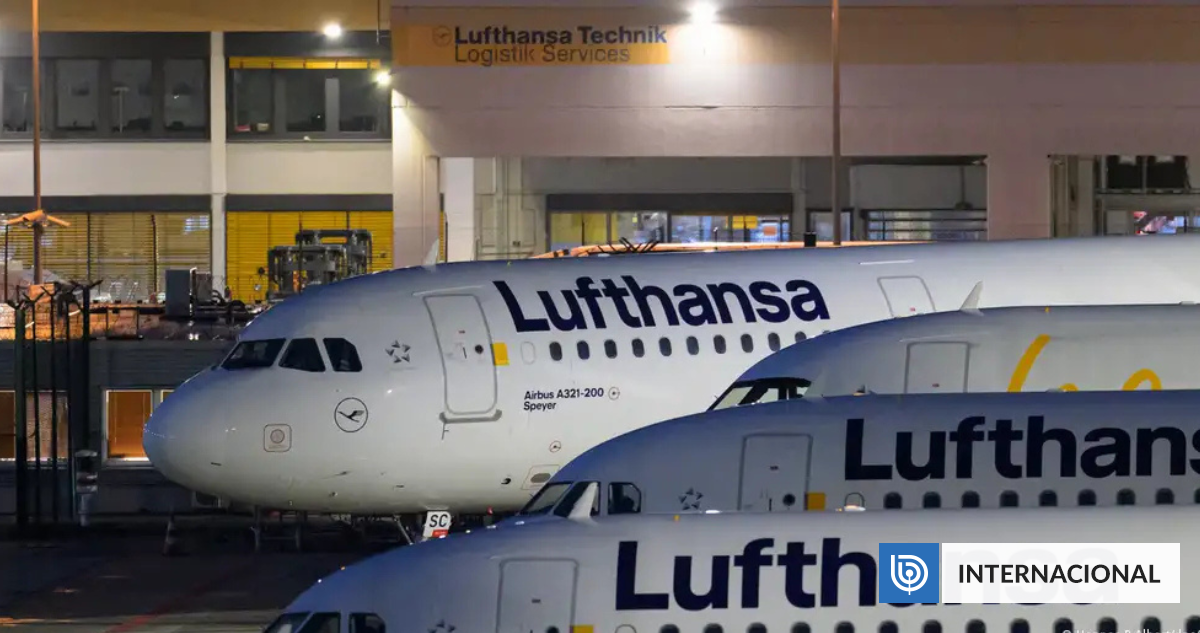
Europe’s aviation sector faces mounting pressure as fuel reserves dwindle amid ongoing geopolitical tensions in the Middle East, with industry leaders warning of imminent flight cancellations if supply chains remain disrupted. The situation has intensified following repeated warnings from the International Energy Agency (IEA) that European airlines now have only approximately six weeks of jet fuel remaining, a timeframe that could trigger widespread operational disruptions unless alternative supply routes are secured.
The crisis stems from the prolonged closure of the Strait of Hormuz, a critical maritime chokepoint through which roughly 20% of global oil exports pass, according to multiple energy analysts. Iranian authorities have maintained restrictions on tanker traffic through the strait in response to regional military actions, severely limiting the flow of crude oil from the Persian Gulf to European refineries that process it into aviation fuel. This blockade has not only driven up global energy prices but has also exposed the continent’s vulnerability to supply shocks in key energy corridors.
Fatih Birol, Executive Director of the IEA, emphasized the urgency of the situation in recent interviews, stating that without a rapid resolution to the strait’s closure, flight cancellations could begin “soon” across the continent. He noted that the last major fuel shipments have already arrived in Europe, and without replenishment, stocks are being depleted at an accelerating rate. Birol warned that the consequences would extend beyond aviation, forecasting broader economic repercussions including increased costs for gasoline, natural gas, and electricity, which could strain household budgets and industrial operations throughout the summer months.
Major carriers have already begun implementing contingency plans in anticipation of further shortages. Dutch flag carrier KLM and UK-based low-cost airline easyJet have both confirmed reductions in flight schedules as a precautionary measure, reflecting growing concern among operators about the reliability of fuel supplies. Industry analysts suggest that if current trends continue, flight reductions across Europe could reach between 20% and 40% during peak travel season, significantly affecting tourism, business travel, and air cargo operations.
The impact extends beyond passenger airlines to the air freight sector, where logistics companies warn that delays in fuel availability could disrupt just-in-time supply chains for high-value goods such as pharmaceuticals, electronics, and perishable cargo. With Europe accounting for approximately 25% of global air traffic, any sustained reduction in flight capacity would have ripple effects across international trade networks, particularly for routes connecting Europe to Asia and North America.
Energy experts note that Europe’s refining capacity remains heavily dependent on crude oil imports from the Middle East, particularly from Saudi Arabia, Iraq, and the United Arab Emirates. While some regional refineries have increased processing of alternative crude sources, including from West Africa and the Americas, the shift has been constrained by logistical limitations and contractual obligations. Analysts at the IEA have stressed that without a durable solution to restore freedom of navigation through the Strait of Hormuz, the region’s energy insecurity will persist, leaving airlines and consumers exposed to volatile price swings and service interruptions.
Government officials in several European nations have acknowledged the gravity of the situation but have refrained from issuing emergency directives, instead urging coordination between national energy ministries, aviation authorities, and industry stakeholders. The European Commission has not yet activated its emergency fuel reserve protocols, though internal discussions are reportedly underway regarding potential measures to prioritize fuel allocation for essential flights, including medical evacuations and humanitarian aid missions.
As of mid-April 2026, no formal timeline has been established for the reopening of the Strait of Hormuz, and diplomatic efforts to de-escalate tensions remain ongoing. Industry groups continue to advocate for greater investment in sustainable aviation fuels and diversified energy partnerships as long-term strategies to reduce reliance on volatile maritime chokepoints. For now, airlines are advising passengers to monitor flight status closely and consider flexible booking options in anticipation of possible schedule adjustments.
Stay informed about developments in global energy markets and aviation operations by following updates from the International Energy Agency and major airline operators. Share your thoughts on how this crisis might affect travel plans or business logistics in the comments below.
Worth a look