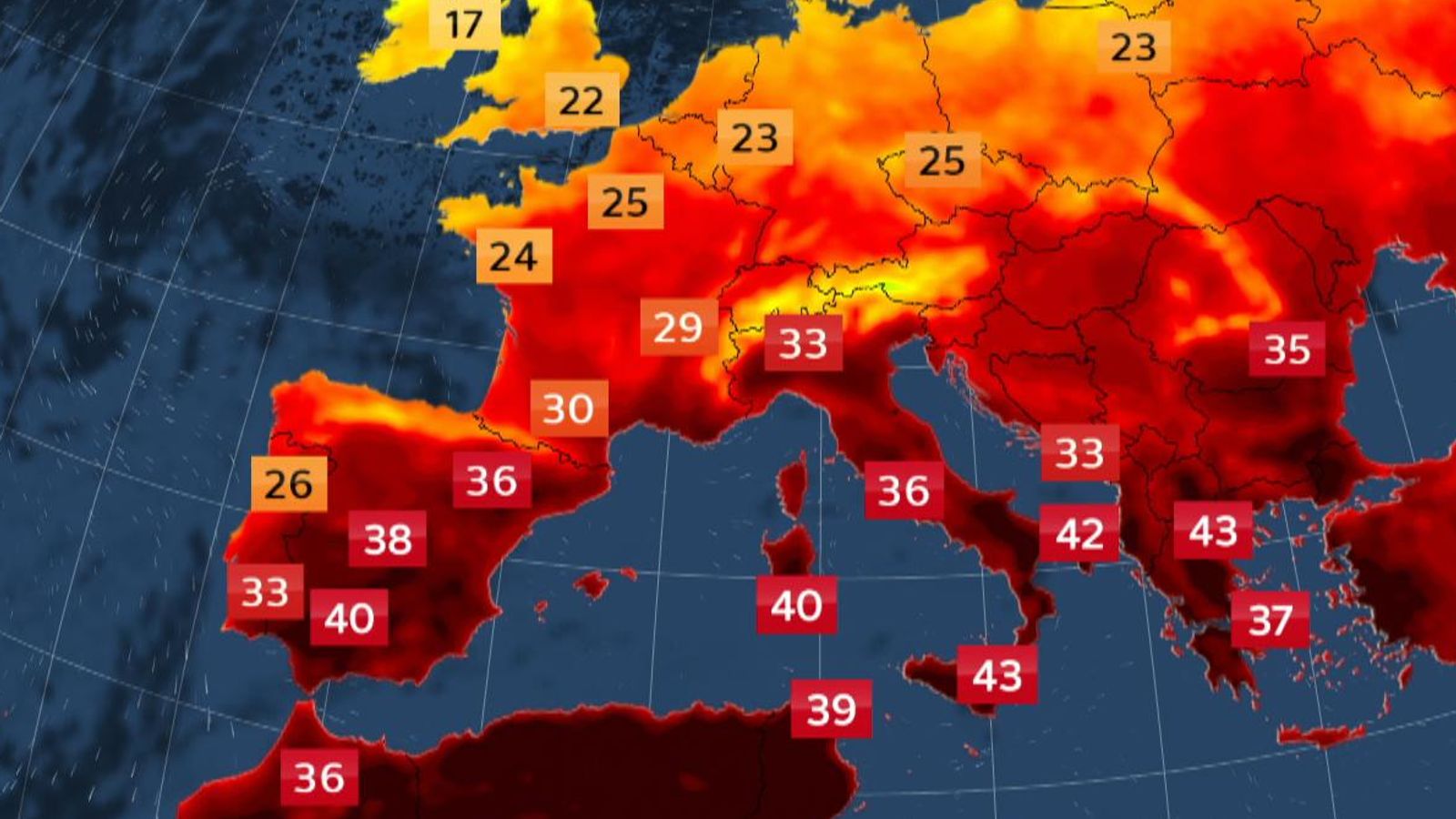
Germany has experienced a surge in temperatures, with reports confirming that the country recorded its highest temperatures for three consecutive days during the recent heatwave. As extreme heat conditions continue to affect large swaths of Europe, infrastructure failures and public health risks have become increasingly prominent, prompting authorities to issue warnings across the region.
Reports indicated that record-breaking heat levels were reached during this period, with local temperatures in several regions surpassing previous benchmarks. These sustained high temperatures are part of a broader atmospheric pattern affecting Europe, leading to significant pressure on public services and transportation networks.
Infrastructure and Public Safety Challenges
The intensity of the heat has caused tangible disruptions to daily life and public transit. In Leipzig, municipal authorities were forced to suspend certain tram services after officials identified that the tracks had been affected by the heat. Safety protocols necessitated the temporary closure of these lines to prevent potential derailments and ensure passenger safety during the peak of the thermal expansion.
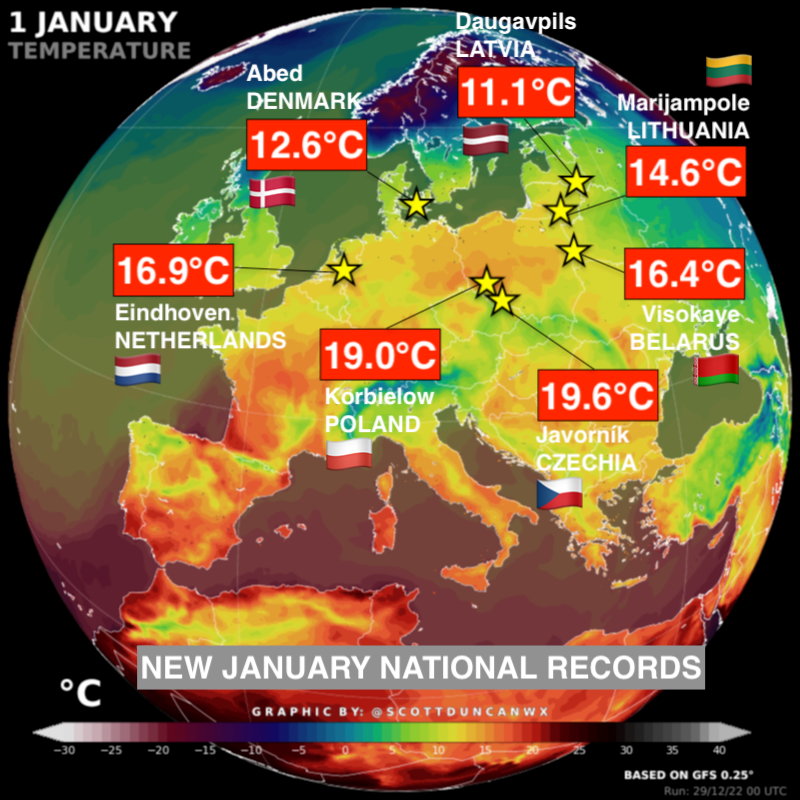
Beyond transit disruptions, the heatwave has posed a threat to public safety, particularly regarding water-related activities. Reports indicated that at least seven people died in drowning incidents over the weekend as citizens sought relief in lakes, rivers, and quarries. Authorities have urged the public to exercise extreme caution and to adhere to safety warnings at designated swimming areas.
Regional Impact Across Europe
The current weather event is not isolated to Germany; it is part of a larger, persistent heatwave moving eastward across the European continent. Meteorological agencies in neighboring countries have also recorded high temperatures, marking a challenging period for regional healthcare systems. The influx of patients suffering from heat-related illnesses has placed a noticeable burden on local medical facilities.
Health ministries are advising residents, particularly the elderly and those with pre-existing conditions, to remain indoors during peak sun hours, maintain adequate hydration, and utilize cooling centers where available. These measures are critical as hospitals manage an increased volume of heat-related admissions.
Climate Context and Future Monitoring
The frequency of such extreme weather events continues to be a subject of intense focus for climatologists and government policymakers. While individual weather events are influenced by complex atmospheric dynamics, the trend of consecutive record-breaking heat days is consistent with observations regarding long-term climate shifts in Europe. The continent is experiencing extreme weather, necessitating long-term adaptations in urban planning, energy grid management, and public health infrastructure.
For residents in affected areas, official updates remain the most reliable source of information regarding local cooling centers, emergency health advisories, and transit status. Government departments continue to monitor the atmospheric conditions and will release further bulletins as the heatwave progresses or dissipates. Citizens are encouraged to consult their municipal government websites or the national weather service daily for real-time safety guidance and updates on the evolving climate situation.
We will continue to provide updates on this developing story as further data from meteorological agencies and public safety departments becomes available. If you have been affected by these conditions or have information regarding local relief efforts, please feel free to contribute to the conversation in the comments section below.
Keep reading
- US Judge Allows Border Wall Construction on Tohono O’odham Reservation
- Extreme Drought Sparks Massive Wildfires Across Europe: France, UK, Spain, and Balkans Hit
- Europe Wildfires Force Thousands to Flee Amid Record Heatwave (archynewsy.com)
- Government Warns Single-Use Grills Pose Significant Public Risk Amid Heatwave (world-today-news.com)