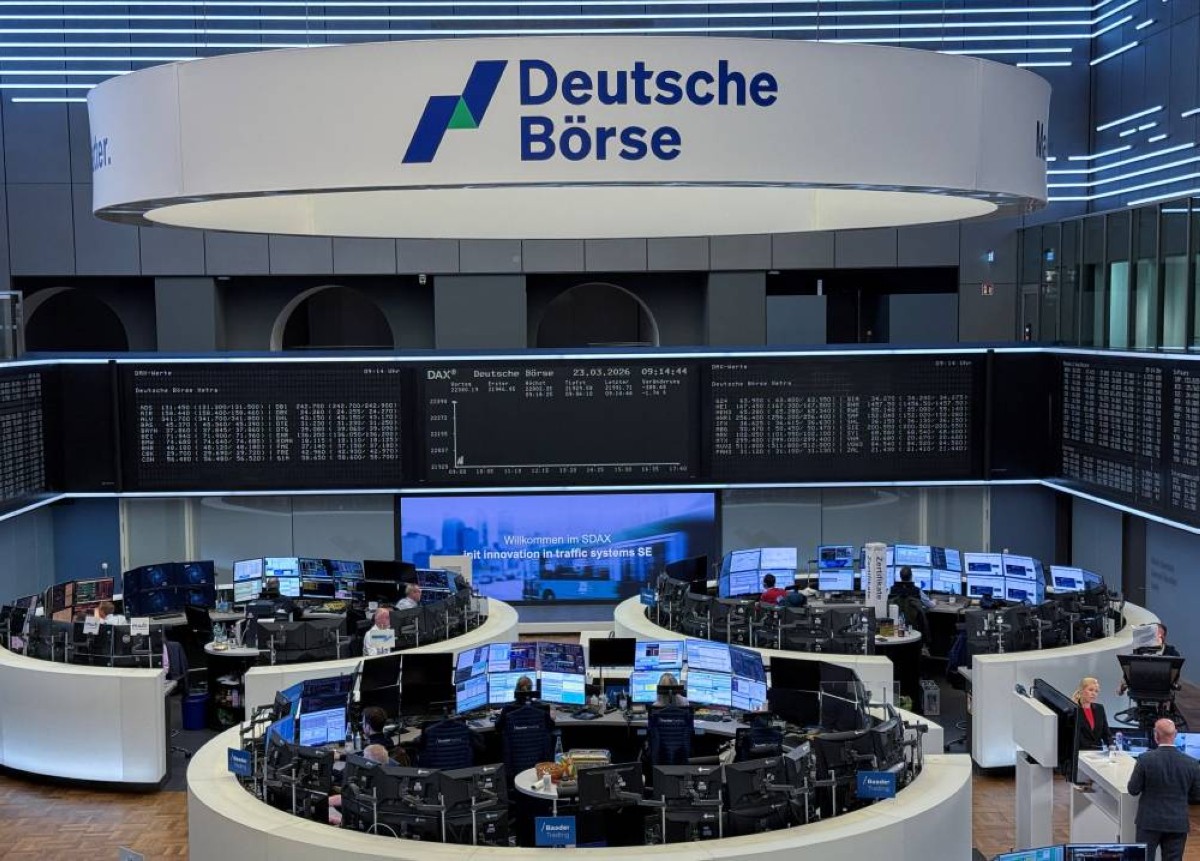
European equity markets have faced renewed pressure this week as investors navigate a complex landscape of geopolitical uncertainty and persistent macroeconomic headwinds. The primary driver of recent market volatility remains the precarious state of diplomatic relations between Washington and Tehran, a situation that continues to weigh heavily on investor sentiment across major continental exchanges. As global markets react to shifting signals regarding potential de-escalation, the broader economic outlook remains clouded by ongoing concerns over inflation and central bank policy trajectories.
The current climate of uncertainty has underscored the fragility of recent market gains. While some indices briefly flirted with two-week highs, the prevailing risk-off sentiment suggests that traders are prioritizing capital preservation over aggressive positioning. This cautious approach is being mirrored in the energy sector, where the intersection of diplomacy and regional instability has led to noticeable fluctuations in oil prices, impacting energy-heavy indices such as the FTSE 100.
For market participants, the challenge lies in distinguishing between short-term diplomatic posturing and fundamental shifts in geopolitical risk. As we examine the latest market movements, it is essential to look past the daily noise and consider how these macro-level tensions are reshaping the investment landscape for the remainder of the quarter. Understanding these dynamics is crucial for anyone managing exposure in today’s interconnected global economy.
Geopolitical Tensions and the Energy Market Nexus
The volatility in European stocks is inextricably linked to the energy sector, which remains highly sensitive to developments in the Middle East. When diplomatic channels between the United States and Iran appear strained, energy markets often price in a risk premium, anticipating potential supply chain disruptions. According to analysis from the International Energy Agency (IEA), global oil markets remain delicately balanced, meaning even minor geopolitical tremors can lead to significant price swings, which in turn impact the input costs for European industrial firms.
This sensitivity is not limited to oil; it extends to broader asset classes, including gold—often viewed as a safe-haven asset—and sovereign bond yields. When investors perceive an escalation in regional tensions, there is typically a rotation out of equities and into fixed-income securities or precious metals. This movement creates a feedback loop that exacerbates the downward pressure on regional stock indices. The European Central Bank (ECB) has repeatedly noted that such geopolitical shocks complicate their efforts to anchor inflation expectations, as energy price volatility can lead to unpredictable headline inflation figures.
Macroeconomic Headwinds: Beyond the Geopolitical Narrative
While the focus remains on diplomatic developments, we must not overlook the persistent domestic issues facing the Eurozone. Inflationary pressures, while cooling from their peak, remain sticky in several key service sectors. The latest data from Eurostat indicates that core inflation continues to challenge the ECB’s 2% medium-term target, forcing policymakers to maintain a “higher-for-longer” stance on interest rates. This environment of elevated borrowing costs naturally limits the appetite for equity risk, particularly in growth-oriented sectors that rely on cheap capital for expansion.
the divergence between the economic performance of major Eurozone members—specifically Germany and France—continues to create a fragmented outlook for European equities. As industrial output in Germany faces structural challenges, investors are increasingly scrutinizing the earnings reports of major European firms to determine whether these businesses can maintain margins in an environment of sluggish demand and high energy costs. The lack of a unified growth narrative makes the market particularly vulnerable to external shocks, such as the ongoing diplomatic impasse between Washington and Tehran.
Key Takeaways for Global Investors
- Geopolitical Sensitivity: Markets remain hypersensitive to U.S.-Iran diplomatic updates, with energy prices serving as a primary transmission mechanism for volatility.
- Central Bank Policy: Investors should monitor upcoming ECB policy statements for signals on interest rate adjustments, as these remain a critical determinant of equity valuations.
- Asset Allocation: In times of heightened uncertainty, a diversified approach that includes defensive sectors and liquid assets often provides better protection against sudden market drawdowns.
- Data-Driven Decision Making: Relying on official releases from bodies like the IEA and Eurostat is essential to cutting through the speculation surrounding regional conflicts.
Navigating the Path Ahead
Looking forward, the market’s focus will likely shift toward the next round of scheduled diplomatic briefings and upcoming central bank meetings. Investors should watch for official statements regarding any potential framework for renewed talks, as these will serve as the primary catalyst for a change in risk appetite. It is also worth noting that the next ECB Governing Council meeting will provide further clarity on the trajectory of monetary policy, which will be a key factor in how European equities perform as we move deeper into the fiscal year.
As we continue to monitor these developments, we encourage our readers to stay informed through official channels and verified reporting. The intersection of global diplomacy and market performance is rarely linear and maintaining a long-term perspective is the most effective strategy for navigating these volatile periods. We invite you to share your thoughts on these market trends in the comments section below or join the discussion on our social media channels as we track these unfolding events.
Worth a look