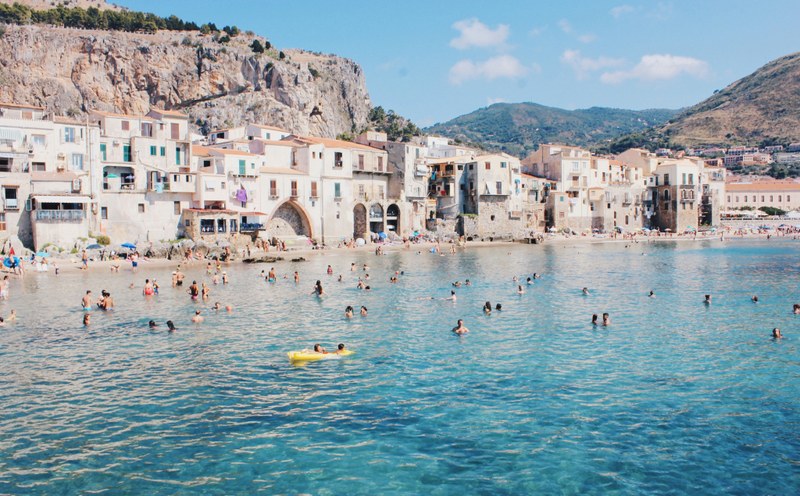
The vast majority of bathing waters across Europe continue to meet the European Union’s most stringent water quality standards, according to the latest annual assessment published by the European Environment Agency (EEA). Data for the 2023 season confirms that 85% of monitored coastal and inland swimming sites are classified as having “excellent” water quality, providing a consistent baseline for public health and environmental safety across the continent.
This comprehensive report, which analyzes water samples taken from more than 22,000 locations across EU member states, as well as Albania and Switzerland, serves as a critical indicator of the efficacy of the bloc’s Bathing Water Directive. The directive mandates that member states monitor and report on water quality indicators—specifically intestinal enterococci and Escherichia coli—to protect swimmers from pollution-related illnesses.
Understanding the Classification Standards
The EEA categorizes bathing water into four distinct tiers: “excellent,” “good,” “sufficient,” and “poor.” These classifications are based on microbiological data collected over a four-year period, allowing for a longitudinal view of water safety that accounts for seasonal fluctuations and weather-related runoff. According to the 2023 European bathing water quality report, 96% of all identified bathing sites met the minimum “sufficient” quality standards required by EU law.
The high percentage of sites hitting the “excellent” mark reflects decades of investment in wastewater treatment infrastructure and improved industrial runoff management. While the majority of sites remain safe, the EEA emphasizes that the “poor” category, which accounted for approximately 1.5% of monitored sites in 2023, triggers mandatory management measures. These include banning swimming or advising against it, informing the public, and implementing corrective actions to eliminate the sources of pollution.
Regional Variations and Environmental Challenges
Water quality results show geographical variance, often linked to local geography, population density, and the presence of intensive agriculture. Coastal waters generally maintain higher quality ratings than inland sites, such as lakes and rivers, due to the natural flushing effect of tides and currents. The EEA notes that inland waters are more susceptible to short-term pollution caused by heavy rainfall and urban wastewater overflows, which can introduce bacteria into swimming areas.

In countries like Cyprus, Austria, and Croatia, more than 95% of bathing waters have been consistently rated as “excellent” in recent assessments. Conversely, countries with older sewage infrastructure or regions prone to agricultural runoff continue to monitor their sites more closely to ensure compliance with the Bathing Water Directive (2006/7/EC). The directive remains the primary legal instrument used by the European Commission to hold member states accountable for the ecological health of their recreational waters.
What This Means for Public Health
The primary intent of the EEA’s monitoring program is to reduce the risk of gastrointestinal and respiratory infections among the public. By making this data publicly available, the agency empowers residents and tourists to make informed decisions about where to swim. The European bathing water quality interactive map allows users to check the status of specific beaches and lakes in real-time, providing transparency that is rare in many other parts of the world.
Health experts advise that even in areas with “excellent” ratings, swimmers should exercise caution following extreme weather events. Heavy storms can overwhelm drainage systems, leading to temporary spikes in bacterial levels. The EEA encourages local authorities to maintain vigilance during peak summer months when the volume of beachgoers is highest, as human activity itself can influence localized water quality outcomes.
Looking Toward Future Monitoring
The next phase of European water management will focus on the impacts of climate change, specifically how rising temperatures and altered rainfall patterns might affect water quality. The EEA is currently working with member states to integrate more frequent testing and faster reporting mechanisms. These initiatives are part of the broader EU Zero Pollution Action Plan, which seeks to reduce pollution in air, water, and soil to levels no longer considered harmful to human health or natural ecosystems.

Official updates regarding the 2024 bathing season are expected to be released by the European Environment Agency in the first half of 2025. In the meantime, national environmental agencies remain responsible for local testing and public safety advisories. Readers are encouraged to check their local municipal or national environmental ministry websites for the most current, site-specific safety notices before heading to the water.
Have you checked the water quality of your local swimming spot lately? Share your thoughts or local experiences in the comments section below.
Related reading