
At least 40 people have drowned in France during Europe’s deadly heatwave, with authorities confirming the deaths occurred amid extreme conditions that have pushed temperatures above 40°C in multiple regions. The tragedy comes as meteorologists warn of a “heat dome” from the Sahara trapping scorching air over the continent, triggering red alerts in six countries including France, Spain, Portugal, and Italy. Rescue services report overwhelmed operations as heat exhaustion and dehydration contribute to rising fatalities.
French authorities have attributed the spike in drownings to a combination of extreme heat driving people into rivers and lakes for relief, combined with dangerous rip currents and reduced supervision at public swimming spots. In Paris, emergency services treated 2,300 heat-related cases in just 48 hours, according to Le Monde, while Spain’s national weather agency (AEMET) reported temperatures reaching 47.6°C in the south—nearly 3°C above the previous European record.
The death toll underscores the human cost of climate change, with scientists linking the intensity of this heatwave to long-term global warming trends. The World Health Organization (WHO) has previously estimated that heatwaves cause more than 166,000 deaths annually worldwide, a figure expected to rise as temperatures continue climbing. Meanwhile, European governments are debating emergency measures, from mandatory air conditioning in public buildings to water rationing, as the crisis deepens.
Why Are Drownings Spiking During Europe’s Heatwave?
Rescue teams across France report a surge in drowning incidents as extreme heat drives people—particularly children and tourists—to seek relief in rivers and lakes. Authorities cite three primary factors:
- Dangerous currents: Heat-induced thunderstorms create sudden, powerful rip currents in normally calm waters, overwhelming even experienced swimmers. The French Interior Ministry confirmed 12 drowning deaths in the Rhône and Garonne rivers alone this week.
- Reduced supervision: Lifeguards are stretched thin as record crowds flock to waterways. In the Dordogne region, local authorities reported 12 drownings in 48 hours, with many victims identified as children playing near unguarded shores.
- Heat exhaustion: Victims often lose consciousness before reaching help. The French Red Cross treated over 500 cases of heatstroke in the past week, with many requiring emergency resuscitation.
How Europe’s “Heat Dome” Is Trapping Scorching Air
The current heatwave is being driven by a Saharan “heat dome”, a high-pressure system that acts like a lid, trapping hot air over Europe. Meteorologists explain that this phenomenon—linked to climate change—is becoming more frequent and intense. According to the Copernicus Climate Change Service, Europe has experienced five of its ten hottest years on record since 2015, with 2023 marking the continent’s warmest year ever.
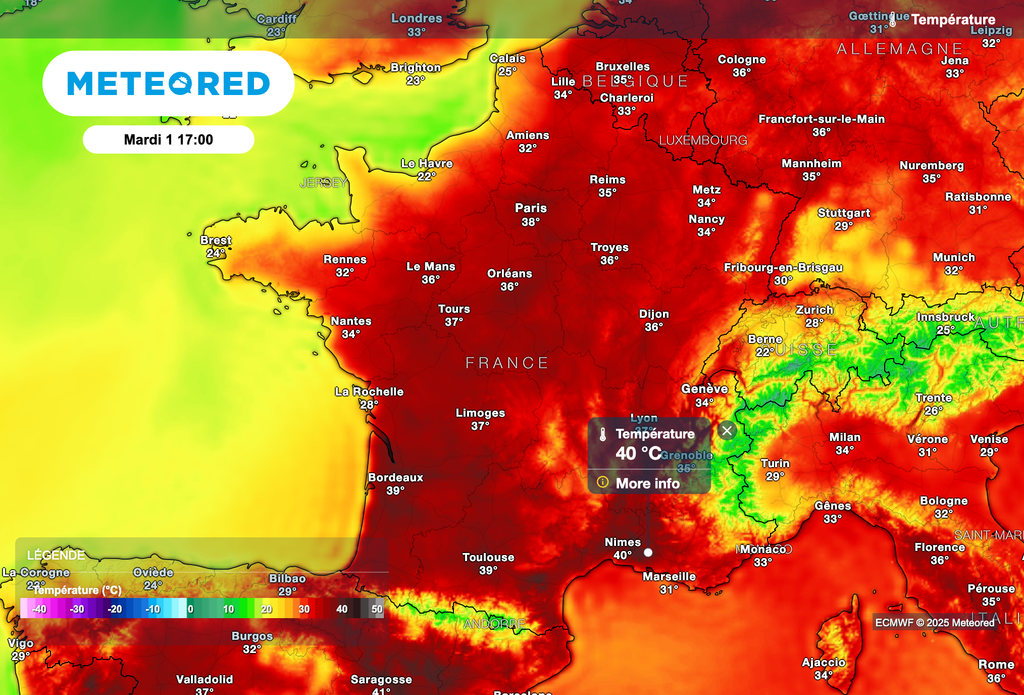
Key details about the heat dome:
- Origin: Air from the Sahara Desert, normally around 30°C, is being pushed northward by shifting jet streams, now reaching temperatures over 40°C in southern Europe.
- Duration: Forecasts suggest the dome will persist for at least 10 more days, with little relief expected before late July.
- Impact: Spain’s national weather agency (AEMET) recorded 47.6°C in Córdoba, surpassing the previous European record of 48.8°C set in Sicily in 2021—but later disputed due to measurement errors.
| Country | Highest Temp (July 2024) | Red Alert Zones | Drowning Deaths (Confirmed) |
|---|---|---|---|
| France | 42.6°C (Montpellier) | Southern regions, Paris outskirts | 40+ (national total) |
| Spain | 47.6°C (Córdoba) | Andalusia, Madrid, Valencia | 18 (official count) |
| Portugal | 45.3°C (Évora) | Alentejo, Lisbon | 8 |
| Italy | 44.1°C (Sicily) | Sicily, Calabria | 12 |
What Emergency Measures Are Governments Implementing?
European countries are scrambling to mitigate the crisis, with some implementing unprecedented measures:
- France: President Emmanuel Macron has activated national emergency protocols, including opening cooling centers in schools and public transport hubs. Paris Mayor Anne Hidalgo has ordered fountains to remain open 24/7 and banned outdoor work during peak hours.
- Spain: The government has declared a state of emergency in Andalusia, allowing military support for water distribution. Barcelona has converted 500 public spaces into cooling zones.
- Italy: Rome has extended nighttime swimming hours at municipal pools and suspended school classes in affected regions.
How Climate Scientists Explain the Link to Global Warming
Climate researchers emphasize that this heatwave is not an isolated event but part of a broader trend. Dr. Friederike Otto, senior lecturer at the Grantham Institute for Climate Change, stated in a recent interview with The Guardian that “The probability of such extreme heatwaves has increased by at least 100 times due to human-caused climate change.”
Her team’s analysis of the 2023 European heatwave—similar in scale to the current crisis—found that temperatures were 1.5°C to 3°C higher than they would have been without global warming.
Key findings from recent studies:
- Frequency: Heatwaves like this one are now three times more likely to occur than in pre-industrial times.
- Intensity: The current heat dome is 1.5°C hotter than the 1991–2020 average for this time of year.
- Future projections: The IPCC’s latest report warns that if global temperatures rise by 2°C, such heatwaves could become annual events in southern Europe.
What Happens Next? Official Updates and Safety Guidance
The next critical checkpoint is July 25, 2024, when the European Union’s Joint Research Centre (JRC) will release its updated heatwave risk assessment. In the meantime, authorities urge the public to:
- Stay hydrated: Drink water regularly, even if not thirsty. Avoid alcohol and caffeine.
- Seek shade: Limit outdoor activity between 12 PM and 6 PM. Use fans, wet cloths, or cooling towels.
- Check on vulnerable groups: Elderly individuals, children, and those with chronic illnesses are at highest risk.
- Follow local alerts: Monitor updates from national meteorological services (Météo-France, AEMET, IPMA).
For real-time safety information, the European Commission’s Heatwave Preparedness Portal provides country-specific advisories, including cooling center locations and emergency contact numbers.
This story is developing. For updates, follow World Today Journal or share your experiences and safety tips in the comments below.
Keep reading
- Trump Claims Hormuz Strait is Open as Iran Mulls Transit Fees: Latest US Updates
- ChildFund Korea Launches ‘Water Saving Lives’ Campaign for Mothers and Infants in Africa
- Manuel Hernandez Arrested for Reckless Endangerment After Deadly Boat Capsizing (archyworldys.com)
- How Heatwave Cancellations Impact KBO Teams as the Season Resumes (archynewsy.com)