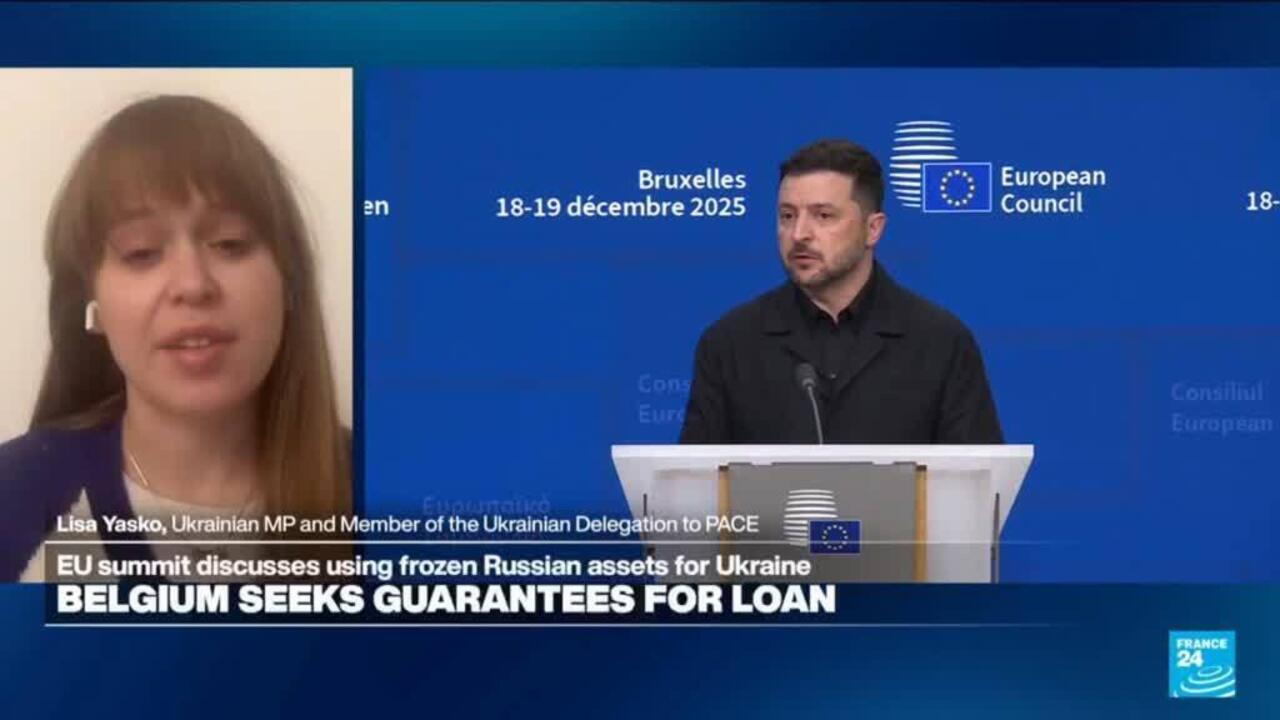
The Future of Frozen Russian assets: A Turning Point for Ukraine and International Order
Are you wondering about the fate of billions in frozen Russian assets and how they could impact the war in Ukraine? the debate surrounding utilizing these funds is reaching a critical juncture, wiht potential decisions at the EU summit in Brussels poised to reshape the geopolitical landscape. This isn’t simply a financial discussion; it’s a test of europe’s leadership and a fundamental challenge to the established international order.
The Impasse at the EU Summit
Currently, approximately €210 billion in Russian Central Bank assets are immobilized within the European Union, a consequence of sanctions imposed following the invasion of Ukraine. Discussions center on leveraging the profits generated from these frozen assets – estimated at €3-5 billion annually – to aid Ukraine’s reconstruction and bolster its defense capabilities.However, significant legal and political hurdles remain.
Several EU member states express concerns about the legality of seizing assets belonging to a sovereign nation,fearing potential repercussions and setting a dangerous precedent. Others prioritize finding a solution that avoids directly confiscating the principal amount, focusing rather on utilizing the investment income. This delicate balancing act underscores the complexity of the situation.
Why This Matters: Beyond Financial Aid
This decision transcends a simple transfer of funds. It represents a pivotal moment in defining how the international community responds to acts of aggression and breaches of international law. utilizing these assets sends a powerful message: that violating sovereignty and international norms will carry significant financial consequences.
Furthermore, the outcome will heavily influence Ukraine’s ability to sustain its fight for freedom and rebuild its shattered infrastructure. According to a recent World Bank estimate (December 2023), Ukraine’s reconstruction needs are staggering, exceeding $411 billion. Access to these frozen funds could provide a crucial lifeline, accelerating recovery efforts and demonstrating unwavering support for a nation defending its territorial integrity.
Understanding the Legal Landscape & Potential Solutions
The legal framework surrounding the seizure of sovereign assets is murky. Existing international law doesn’t explicitly permit the confiscation of state assets, even in response to aggression. however, proponents argue that Russia’s actions constitute an “armed conflict” justifying exceptional measures under the principles of state duty.
Several potential pathways are being explored:
* Utilizing Investment Income: This is the moast widely supported option, focusing on channeling the profits generated by the frozen assets to Ukraine. It’s considered legally less problematic than outright confiscation.
* Establishing a Compensation Mechanism: Creating a dedicated fund, potentially thru an international treaty, to manage and distribute the assets to compensate victims of the war.
* Direct Confiscation (Most Controversial): This involves seizing the principal amount of the frozen assets, requiring a strong legal justification and potentially facing legal challenges.
The European Commission is actively working on a legal framework to facilitate the use of these funds, aiming to address the concerns of hesitant member states.The Council of the European Union provides updates on this process.
Related Concerns: Secondary Keywords & Considerations
Beyond the core debate,several related issues are gaining prominence:
* Russian Countermeasures: Moscow has repeatedly warned of retaliatory measures if its assets are seized,raising concerns about potential disruptions to financial markets and energy supplies.
* Impact on Financial Stability: Some analysts worry that large-scale asset confiscation could erode confidence in the international financial system, prompting other nations to seek alternative reserve currencies. (See recent reports from the IMF on sovereign debt and asset freezes).
* Alternatives to Asset Seizure: Exploring other avenues for supporting Ukraine,such as increased financial aid from Western nations and leveraging private sector investment.
* Sovereign Immunity: The principle of sovereign immunity, which protects states from being sued in foreign courts, is being challenged in this context.
* Long-term implications for international finance: The precedent set by this case will undoubtedly influence future sanctions regimes
Related reading