
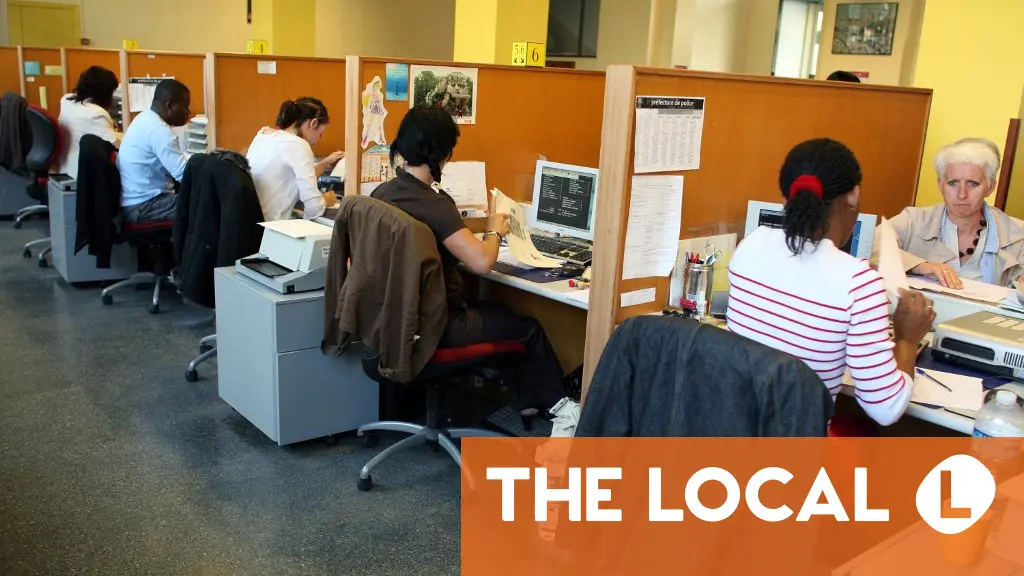
For thousands of non-EU citizens, the dream of building a life in Europe is increasingly colliding with a harsh administrative reality. Bureaucratic backlogs and shifting rules on residency rights are creating a state of legal limbo, where the delay of a simple plastic card can effectively put a person’s professional and personal life on hold.
The struggle centers on the residency card delays that leave foreigners unable to prove their legal status, often hindering their ability to work, travel, or access essential services. While the European Union promotes a vision of mobility and opportunity, the practical execution of these rights often depends on the efficiency of national immigration offices, which vary wildly across member states.
For those navigating these systems, the stakes are high. An EU residence permit is the critical document that allows non-EU citizens to live legally in a member state for more than 90 days, granting them the right to study, work, or join their families on a long-term basis according to residency guidelines. When these documents are delayed, the “right to stay” becomes a theoretical concept rather than a practical reality.
As an editor who has spent over a decade covering the intersection of geopolitics and human rights in Sofia and beyond, I have seen how administrative friction can evolve into a human rights concern. When a person cannot secure their residency paperwork, they are not just fighting a bureaucracy; they are fighting for the stability of their home and livelihood.
Understanding the Legal Framework of EU Residency
To understand why these delays are so disruptive, one must first understand the distinction between EU citizens and non-EU nationals. EU/EEA and Swiss citizens benefit from free movement rules and do not require permits; they simply register their residence via official EU residence rights. They can generally stay in another EU country for up to three months without registering, though some countries may require a report of their presence.

For non-EU citizens, the process is significantly more complex. They must apply for specific permits based on their situation, such as work and skills, education, investment, or family reunification. Most of these permits begin as temporary arrangements, typically lasting one to two years. The goal for many is to achieve “Long-Term EU Resident” status, which generally requires five years of continuous legal residence as detailed in residence guides.
The “nightmare” begins when the transition between these stages—or the initial application—stalls. As residence rights vary across countries, with different rules on income thresholds and healthcare coverage, a delay in one country cannot be easily bypassed by moving to another. Holding a residence permit from one EU country does not usually allow a non-EU citizen to live or work in another member state unless they have already achieved the long-term resident status.
The Impact of ‘Legal Limbo’ on Daily Life
When residency cards are delayed, foreigners discover themselves in a precarious position. The lack of a physical permit can lead to several critical failures in daily existence:
- Employment Hurdles: Employers often require a valid residence permit to finalize contracts or maintain payroll compliance. Without the card, a professional may be unable to start a recent job or risk losing their current position.
- Travel Restrictions: While a permit allows for long-term stay, the physical card is often required for border crossings. Without it, individuals may be unable to visit family abroad or attend business meetings.
- Financial Instability: In many European jurisdictions, opening a bank account or signing a rental lease requires proof of legal residence. Delays in paperwork can lead to housing insecurity or the freezing of financial assets.
This systemic friction is compounded by the fact that some EU countries require residents to carry identity documents at all times. Failure to produce a valid ID can result in fines or temporary detention per EU administrative procedures. For a foreigner whose permit is stuck in a bureaucratic backlog, every interaction with local authorities becomes a source of anxiety.
Pathways to Permanent Stability
Despite the current challenges with processing times, the legal path to permanent stability remains a primary objective for many. For EU citizens, the right of permanent residence is automatically acquired after living legally in another EU country for a continuous period of five years according to the Your Europe portal.
For non-EU citizens, the path is more rigorous. The transition from a temporary permit to a long-term EU resident status is the only way to significantly expand mobility rights across the bloc. Once this status is achieved, the restrictions that typically bind a permit-holder to a single member state are eased, allowing for greater professional and personal flexibility.
However, the “continuous” nature of this five-year requirement is where delays become most damaging. If a person’s legal status lapses because a renewal was not processed in time, or if they are forced to leave the country due to a lack of documentation, it can jeopardize their count toward permanent residency.
Comparison of Residency Rights by Status
| Status | Requirement for Short Stay (<3 Months) | Requirement for Long Stay (>3 Months) | Mobility Across EU Member States |
|---|---|---|---|
| EU/EEA Citizen | Valid ID/Passport; some countries require reporting | Registration of residence | High (Free Movement) |
| Non-EU Citizen (Temporary) | Schengen Visa (typically) | EU Residence Permit (Work, Study, etc.) | Limited (Usually tied to one country) |
| Long-Term EU Resident | Valid ID/Passport | Long-term Resident Status (after 5 years) | Expanded Mobility Rights |
Navigating the Bureaucracy: Practical Steps
For those currently facing delays, the primary recommendation is to maintain a meticulous paper trail. While a physical card is the gold standard, official receipts of application or “certificates of application” can sometimes serve as temporary proof of legal presence, depending on the member state’s specific laws.
It is also vital to verify the specific identity document requirements of the host country. In some nations, carrying a passport is mandatory at all times to avoid fines or detention as noted by EU guidelines. While individuals cannot be forced to return to their home country solely for lacking an ID document, the immediate legal complications can be severe.
Those seeking to move to the EU for the first time are encouraged to apply the official EU immigration portal to understand the specific requirements for work or study permits before arriving, as these rules vary significantly between member states per immigration guides.
The current situation underscores a gap between the EU’s political ambitions for a borderless, mobile workforce and the administrative capacity of its member states to process the humans behind the applications. Until these backlogs are cleared, the “legal limbo” will continue to be a defining feature of the immigrant experience in Europe.
For the most current updates on residency procedures and official forms, individuals should consult the official visa portal of their specific host country or the Your Europe residence rights page.
We want to hear your experience. Have you faced delays with your residency paperwork in Europe? Share your story in the comments below or contact our world desk.