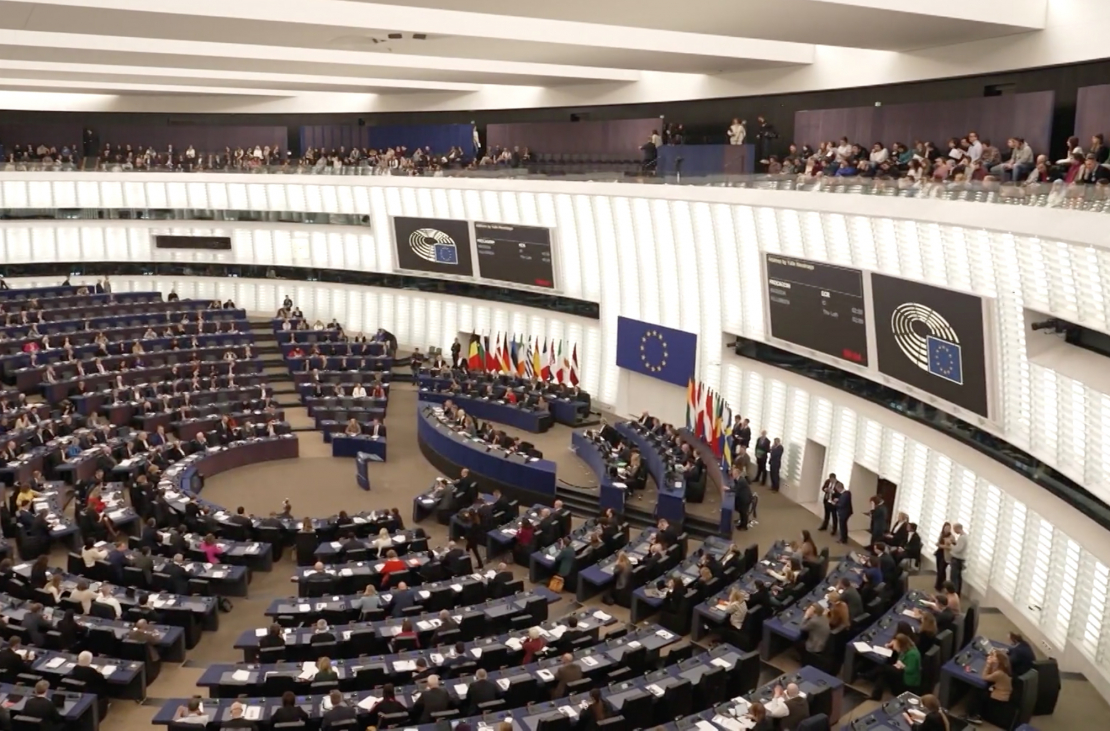
Brussels, Belgium – Calls are growing for the European Union to assert a more robust and independent role on the global stage, moving beyond its traditional focus on economic power and embracing a more assertive foreign policy and security posture. While the EU has long been a significant economic bloc, its influence in geopolitical affairs has often been hampered by internal divisions and a reliance on the United States for security. Recent events, including the war in Ukraine and evolving global power dynamics, have underscored the need for a stronger, more unified EU presence in international affairs.
The debate over the EU’s global role isn’t new. For years, policymakers and analysts have discussed the “strategic autonomy” of the bloc – the ability to act independently and effectively in pursuit of its interests without undue reliance on other powers. However, achieving this autonomy has proven challenging, requiring not only increased investment in defense capabilities but also a fundamental shift in mindset among member states. The current geopolitical climate is accelerating the urgency of this discussion.
The Shifting Geopolitical Landscape and the EU’s Response
The Russian invasion of Ukraine in February 2022 served as a stark wake-up call for Europe, exposing vulnerabilities in its energy security and defense capabilities. While the EU responded with unprecedented sanctions against Russia and provided substantial financial and military aid to Ukraine, the crisis also highlighted the limitations of its collective security framework. The reliance of several member states on Russian energy sources, for example, created internal tensions and complicated the implementation of sanctions. Reuters reported that reaching a consensus on an oil ban required significant compromise, demonstrating the challenges of forging a unified foreign policy.
Beyond Ukraine, the rise of China as a global economic and military power presents another significant challenge for the EU. While China is a major trading partner, its growing assertiveness in the South China Sea, its human rights record, and its increasingly close ties with Russia raise concerns about its long-term intentions. The EU is grappling with how to balance its economic interests with its values and security concerns in its relationship with Beijing. The EU’s approach to China is further complicated by differing national interests among member states, with some prioritizing economic ties while others emphasize security concerns.
instability in the Middle East and Africa, coupled with the growing threat of terrorism and climate change, adds to the complex web of challenges facing the EU. These issues require a comprehensive and coordinated response, one that goes beyond traditional diplomatic and economic tools.
Key Areas for Strengthening the EU’s Global Role
Several key areas require attention if the EU is to effectively enhance its global role. These include bolstering defense capabilities, strengthening economic resilience, and promoting a more coherent foreign policy.
Investing in Defense
For decades, European defense spending has lagged behind that of the United States. While many EU member states have pledged to increase their defense budgets, significant investment is needed to modernize armed forces, develop new technologies, and enhance interoperability. The EU’s Permanent Structured Cooperation (PESCO) initiative, launched in 2017, aims to foster closer defense cooperation among member states and promote joint defense projects. According to the Council of the European Union, PESCO focuses on developing capabilities in areas such as military mobility, cyber security, and maritime surveillance.
However, PESCO faces challenges, including bureaucratic hurdles and a lack of sufficient funding. A more ambitious and coordinated approach to defense investment is needed, one that prioritizes joint procurement and the development of cutting-edge technologies.
Enhancing Economic Resilience
The COVID-19 pandemic and the war in Ukraine exposed vulnerabilities in the EU’s supply chains and its dependence on external sources for critical goods, and materials. Strengthening economic resilience requires diversifying supply chains, promoting domestic production, and investing in strategic industries such as semiconductors and renewable energy. The EU’s NextGenerationEU recovery plan, launched in response to the pandemic, includes provisions for investing in these areas. The plan allocates significant funding to green and digital transitions, aiming to make the EU economy more sustainable and competitive.
Reducing dependence on single suppliers and fostering greater economic diversification are crucial steps towards enhancing the EU’s strategic autonomy. This also involves strengthening the euro’s role as an international currency and reducing reliance on the US dollar.
A More Coherent Foreign Policy
Perhaps the biggest challenge facing the EU is forging a more coherent and unified foreign policy. Internal divisions among member states often hinder the EU’s ability to act decisively on the world stage. Strengthening the EU’s foreign policy requires greater political will, improved coordination mechanisms, and a willingness to compromise. The role of the High Representative of the Union for Foreign Affairs and Security Policy is crucial but their effectiveness is often limited by the need to secure consensus among member states.
The principle of unanimity in certain areas of foreign policy can be a major obstacle to effective action. Exploring alternative decision-making procedures, such as qualified majority voting, could support to overcome these obstacles, but would require treaty changes and the agreement of all member states.
The Role of Global Education and Civic Engagement
Beyond defense and economics, fostering a greater understanding of global issues and promoting civic engagement are essential for strengthening the EU’s role in the world. Global education initiatives, as promoted by organizations like Globalaizglitiba.lv in Latvia, aim to raise awareness of global challenges and encourage citizens to become active participants in shaping a more sustainable and equitable world. These initiatives emphasize the interconnectedness of global issues and the importance of international cooperation.
Similarly, promoting global citizenship education can help to cultivate a sense of shared responsibility and encourage citizens to engage in constructive dialogue across cultures. What we have is particularly important in a world increasingly characterized by polarization and misinformation. Lapas.lv highlights the importance of global education in fostering critical thinking, empathy, and a commitment to human rights.
Looking Ahead: The EU’s Future on the Global Stage
The EU stands at a critical juncture. The challenges it faces – from geopolitical instability to climate change – are immense, but so too are its opportunities. By investing in its defense capabilities, strengthening its economic resilience, and forging a more coherent foreign policy, the EU can enhance its global role and become a more effective force for peace, prosperity, and sustainability.
The success of this endeavor will depend on the willingness of member states to overcome their differences and embrace a shared vision for the future. It will also require a commitment to engaging with the wider world, building partnerships with like-minded countries, and promoting a rules-based international order. The next few years will be crucial in determining whether the EU can rise to the challenge and fulfill its potential as a global leader. The European Council is scheduled to discuss further steps towards strategic autonomy at its meeting in December 2024, with a focus on defense spending and energy security.
What are your thoughts on the EU’s evolving role in the world? Share your comments below and let us know what you think the future holds for the bloc.