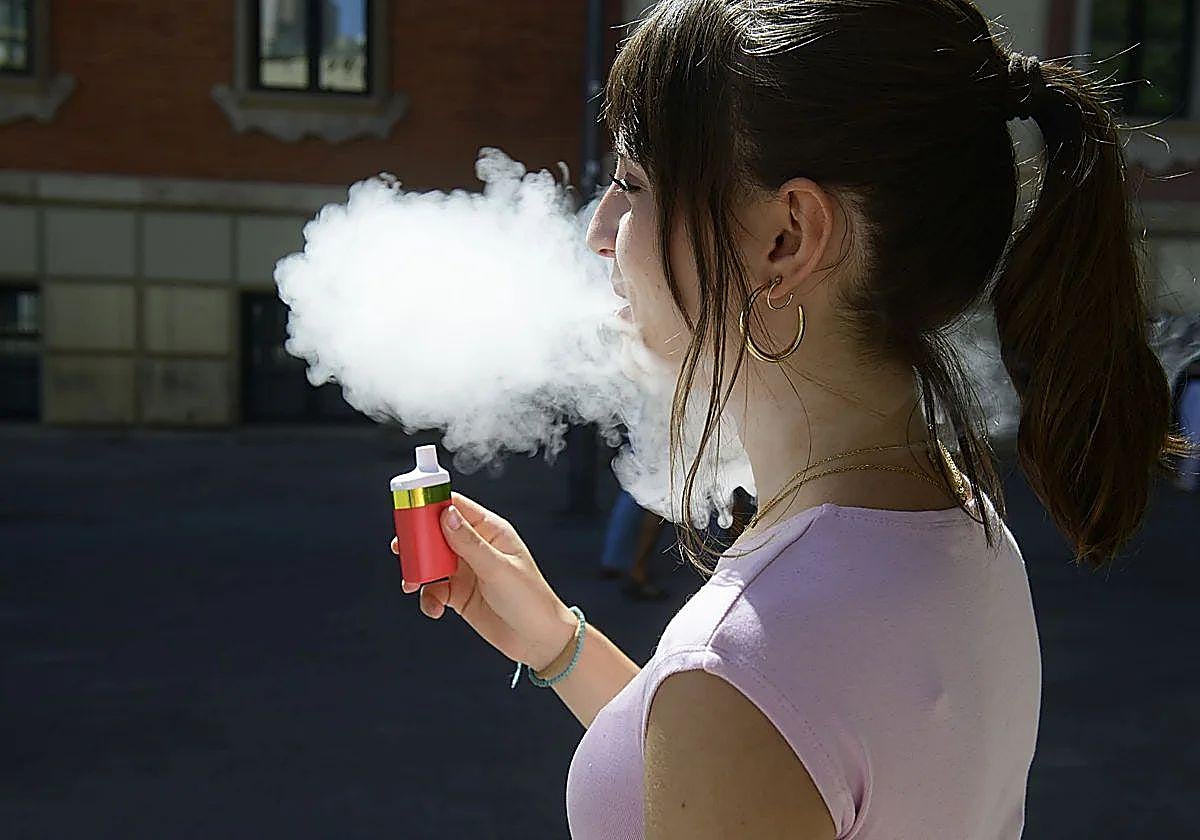
Health authorities in Spain’s Basque Country are sounding the alarm over a disturbing trend: young people are developing severe lung diseases linked to vaping, with experts warning that the damage can mirror that caused by traditional cigarettes. The Basque Health Service, known as Osakidetza, has reported cases of serious pulmonary conditions in adolescents and young adults—raising urgent questions about the long-term safety of e-cigarettes and the need for stricter regulations. While vaping was once perceived as a “safer” alternative to smoking, emerging evidence suggests it carries its own significant risks, particularly for developing lungs.
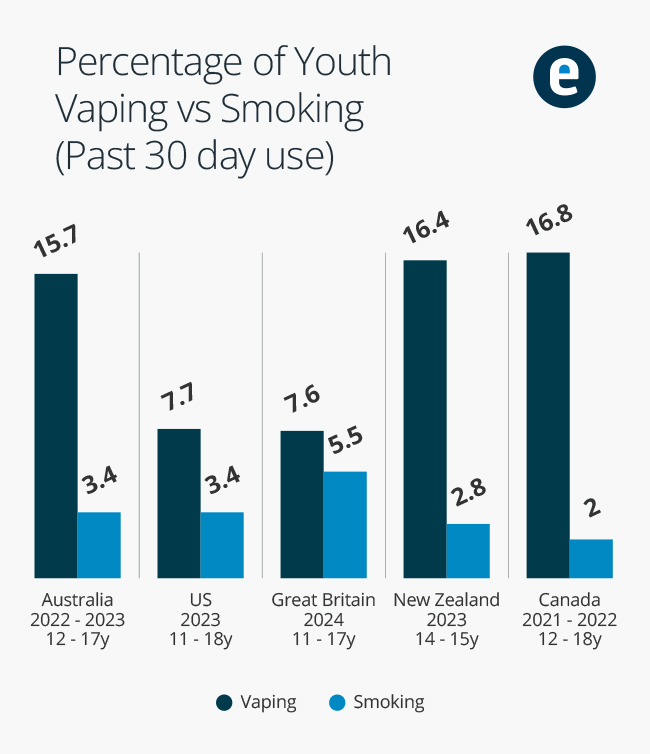
The rise in vaping-related lung diseases coincides with a sharp increase in e-cigarette use among young people in Euskadi, where consumption has reportedly surged in recent years. Public health officials emphasize that the symptoms—ranging from persistent coughing and shortness of breath to more severe respiratory distress—can appear suddenly and progress rapidly. “We are seeing patterns that resemble those of traditional smoking-related diseases, but in younger populations,” said a spokesperson for Osakidetza, underscoring the need for immediate action.
This development comes as global health organizations continue to debate the role of vaping in public health. While some studies suggest e-cigarettes may help adult smokers quit, the long-term effects—especially on adolescents—remain unclear. The Basque region’s findings add to a growing body of research highlighting the potential dangers of nicotine delivery systems for non-smokers, particularly those whose lungs are still maturing.
Severe Lung Conditions Linked to Vaping in Young People
Osakidetza’s latest reports indicate that young vapers in Euskadi are presenting with bronchiolitis obliterans—a chronic and often irreversible condition also known as “popcorn lung”—along with other forms of obstructive lung disease. These conditions were traditionally associated with occupational exposures (such as inhaling certain chemicals) or long-term smoking, but recent cases suggest vaping may be a contributing factor. Symptoms can include:
- Persistent coughing or wheezing
- Shortness of breath, particularly during physical activity
- Fatigue or reduced stamina
- Chest tightness or pain
In some cases, imaging tests reveal signs of lung inflammation or scarring, similar to what is seen in advanced smokers. “The damage we’re observing is not just temporary,” noted pulmonologists affiliated with the Basque Health Service. “Some patients require long-term monitoring, and in severe cases, pulmonary rehabilitation.” The exact mechanisms by which vaping triggers these conditions remain under investigation, but experts suspect the combination of nicotine, flavorings, and other chemicals in e-liquids may play a role.
Why Are Young People at Higher Risk?
Adolescents and young adults are particularly vulnerable to the respiratory effects of vaping for several reasons. First, their lungs are still developing, making them more susceptible to inflammation and scarring. Second, many young vapers use devices with higher concentrations of nicotine or unknown additives, which may exacerbate lung irritation. Social and peer pressures often lead to frequent or heavy use, increasing exposure over shorter periods.
Public health experts also point to the marketing tactics used by e-cigarette companies, which often target young consumers with flavored products and appealing advertisements. “The industry has successfully positioned vaping as harmless, but the clinical evidence is now catching up,” said Dr. Marzio Meglioli, a pulmonologist affiliated with Osakidetza’s respiratory health initiatives. His warnings align with broader European health advisories, which have increasingly flagged vaping as a public health concern, particularly for non-smokers.
New data from @Osakidetza shows young vapers in Euskadi developing severe lung conditions at alarming rates. The message is clear: vaping is not safe, especially for adolescents. #HealthAlert
— Basque Health Service (@Osakidetza) May 15, 2026
Regulatory and Public Health Responses
The Basque government has begun reviewing its tobacco control policies in light of these findings, with discussions underway to strengthen regulations on e-cigarette sales, marketing, and flavor restrictions. Similar measures have been adopted in other European regions, including France and the UK, where age verification and advertising bans have been tightened. However, critics argue that more aggressive action is needed, such as outright bans on flavored vaping products—a move already implemented in some U.S. States.
On the clinical front, Osakidetza is collaborating with universities and research institutions to better understand the link between vaping and lung disease. Preliminary studies suggest that early intervention—such as smoking cessation programs and pulmonary screenings—may help mitigate long-term damage. “The key is education,” said Meglioli. “Parents, schools, and healthcare providers must work together to inform young people about the risks before irreversible harm occurs.”
What Can Young People Do to Protect Their Lungs?
For those who vape, health authorities recommend:
- Quitting immediately: Nicotine dependence can make cessation difficult, but resources like quitlines and nicotine replacement therapies can help.
- Avoiding flavored products: Artificial flavors may increase lung irritation and are often marketed to appeal to younger users.
- Monitoring symptoms: Persistent coughing, wheezing, or shortness of breath should prompt a visit to a healthcare provider.
- Seeking professional support: Pulmonologists and addiction specialists can provide tailored advice for those looking to quit.
For parents and educators, the message is clear: vaping is not a harmless trend. “We’ve seen the devastating effects of traditional smoking on older generations,” said Meglioli. “Now, we’re watching a new generation face similar risks—only faster.”
Looking Ahead: Next Steps for Policy and Research
The Basque Health Service is set to release a detailed report on vaping-related lung diseases later this summer, which will inform potential policy changes. Meanwhile, the European Centre for Disease Prevention and Control (ECDC) is expected to update its guidelines on e-cigarettes in the coming months, incorporating the latest clinical evidence. Public health advocates are urging governments to prioritize youth protection measures, including:

- Stricter age verification for online purchases
- Bans on flavored e-liquids
- Mandatory health warnings on vaping products
- Expanded public awareness campaigns
As the scientific community continues to unravel the complexities of vaping’s health impacts, one thing is certain: the risks are no longer theoretical. For young people in Euskadi—and across the globe—the message from health authorities is unequivocal: vaping is not safe, and the consequences can be severe.
Key Takeaways
- Severe lung diseases: Young vapers in Euskadi are developing conditions like bronchiolitis obliterans, previously rare in non-smokers.
- Rapid rise in use: E-cigarette consumption has surged among adolescents, coinciding with increased respiratory cases.
- Long-term risks: Developing lungs are particularly vulnerable to inflammation and scarring from vaping chemicals.
- Policy gaps: Current regulations may not adequately protect young people from marketing and product risks.
- Actionable steps: Quitting, avoiding flavors, and monitoring symptoms can reduce harm.
For readers concerned about vaping or its effects, Osakidetza recommends consulting a healthcare provider for personalized advice. Additional resources, including quit programs and lung health screenings, are available through regional health services. The next official update from the Basque Health Service is expected in July 2026, following the release of their comprehensive report on vaping-related pulmonary conditions.
This is a developing story. Share your experiences or questions in the comments below, and stay tuned to World Today Journal for further updates as new research and policies emerge.
Keep reading
- 7 Days of Meditation Can Rewire Your Brain and Body: New Study Reveals Striking Neuroplasticity and Biological Shifts
- Simple Test Improves Colorectal Cancer Detection: Age Plays Key Role
- Explainable AI Predicts Dangerous Bleeding After Severe Heart Attacks (world-today-news.com)
- Severe Thunderstorm Watch and Flood Warnings Issued for Chicago Area and Northwest Indiana (news-usa.today)