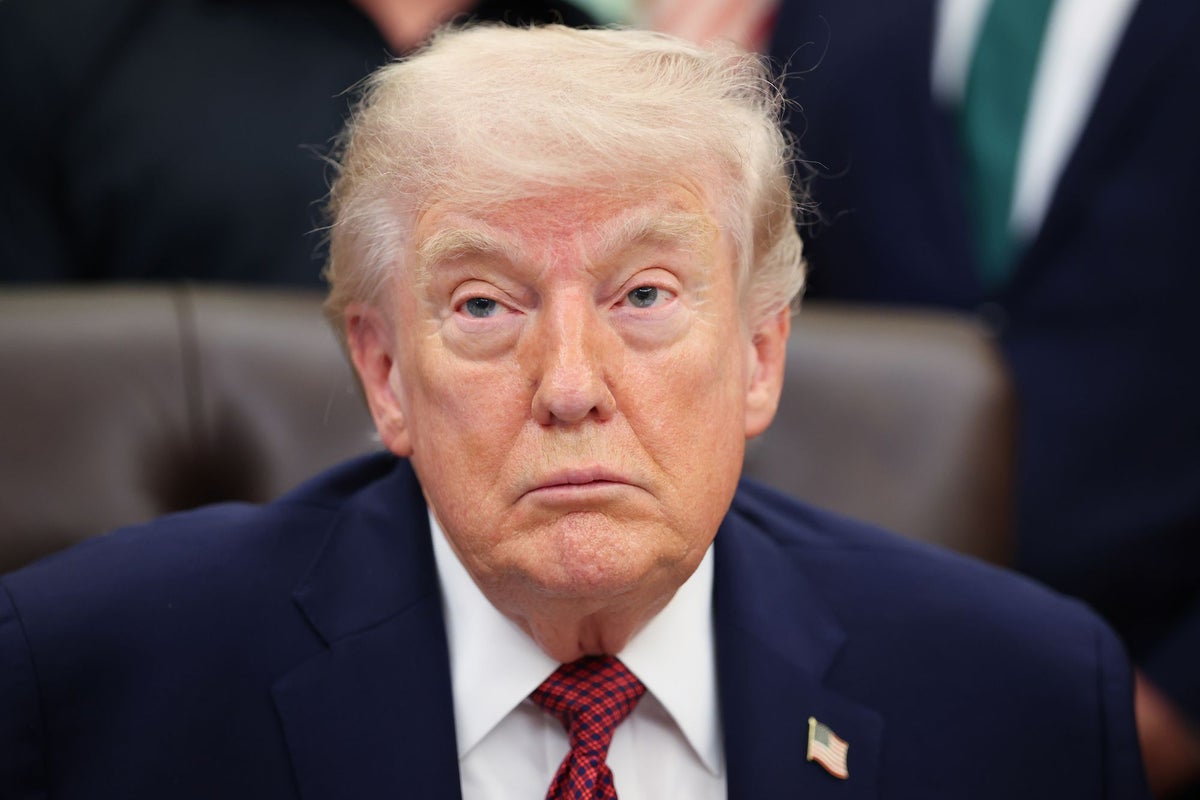
As President Donald Trump marks his 79th year, growing concerns about his mental sharpness are emerging from within his own Republican Party, even as his approval rating remains at historic lows. The 47th president of the United States, who returned to office in January 2025 after a non-consecutive second term, faces renewed scrutiny over his cognitive fitness amid ongoing political polarization and economic challenges.
Recent public appearances and speeches have drawn attention from political analysts and party members alike, with some Republicans expressing private worries about the president’s temperament and decision-making capacity. These internal concerns arrive at a time when Trump’s overall approval rating continues to languish, reflecting deep divisions across the American electorate.
The discussion around the president’s mental acuity is not new, but it has gained renewed traction as Trump navigates complex domestic and international issues. At 79, he is the oldest person to ever serve as U.S. President, a fact that has inevitably fueled debate about age-related cognitive decline and its potential impact on governance.
Even as the White House has consistently dismissed such concerns as politically motivated, several Republican lawmakers have reportedly voiced apprehension in closed-door settings about the president’s ability to handle the pressures of the office. These sentiments echo broader national conversations about leadership fitness in an era of heightened geopolitical tension and economic uncertainty.
Approval ratings for President Trump have remained consistently low throughout his second term, with multiple reputable polling organizations showing his support hovering in the low-to-mid 40s percent range. This persistent underperformance in public opinion polls stands in contrast to the strong base of support he maintains among core Republican voters.
The intersection of age, mental fitness and political viability presents a unique challenge for the Republican Party as it looks ahead to future elections. Party leaders face the delicate task of addressing internal concerns about the president’s capabilities while maintaining unity and avoiding public fractures that could weaken their electoral position.
Medical experts and gerontologists emphasize that cognitive aging varies significantly among individuals, and chronological age alone is not a definitive indicator of mental capacity. However, they also acknowledge that the demands of the presidency—requiring sustained concentration, complex decision-making, and emotional regulation—can highlight any existing vulnerabilities.
Transparency regarding the president’s health has been a recurring point of contention, with critics calling for more detailed medical disclosures than those traditionally provided by the White House. While annual physical examinations are conducted and summarized in brief public reports, some advocates argue for greater openness about neurological assessments given the president’s advanced age.
The situation underscores a broader national debate about the suitability of elderly candidates for high-stress political offices, particularly as life expectancy increases and more older Americans remain active in public life. Similar discussions have surrounded other senior political figures in recent years, reflecting evolving societal expectations about aging and leadership.
For now, the president continues to fulfill his official duties, maintaining a rigorous schedule of public events, policy announcements, and international engagements. His administration points to his energetic campaign style and direct communication with supporters as evidence of sustained vitality and mental engagement.
As the nation approaches the midpoint of Trump’s second term, the questions surrounding his mental sharpness are unlikely to subside without more comprehensive medical transparency or a noticeable shift in public performance. Whether these internal Republican concerns will translate into public policy debates or remain confined to private discussions remains to be seen.
The coming months will likely bring further scrutiny as the administration tackles pressing issues including economic management, foreign policy challenges, and domestic social policies. How the president navigates these complex matters may offer the most telling insight into the ongoing conversation about his cognitive fitness for office.
Readers seeking updates on presidential health disclosures or official statements regarding the president’s medical status can refer to periodic releases from the White House Medical Unit, though detailed cognitive evaluations are not typically included in standard reporting.
Stay informed about developments in U.S. Politics and leadership by following credible news sources and official government channels. Share your thoughts on this important national conversation in the comments below, and aid foster a thoughtful dialogue about the qualities we seek in our nation’s leaders.