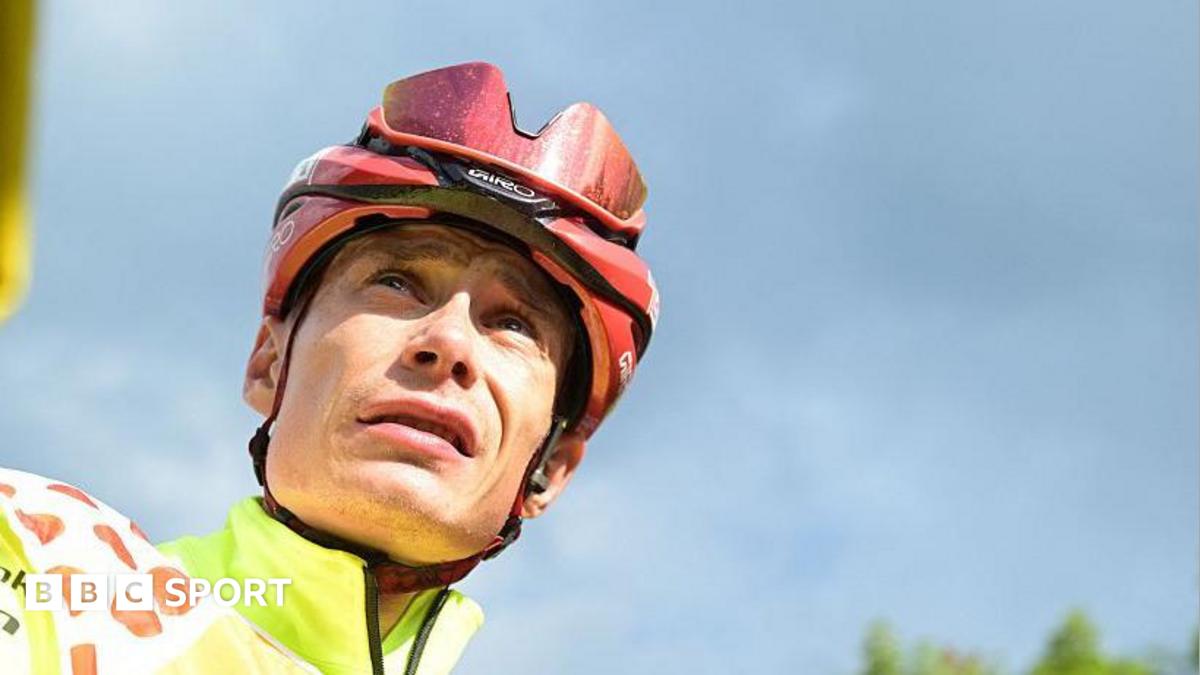
Professional cyclist Remco Evenepoel has publicly questioned the timing of anti-doping protocols during the 2024 Tour de France, describing middle-of-the-night testing as “inhuman.” The Soudal Quick-Step rider expressed his frustration after winning Stage 15, citing the disruption to recovery during one of the most physically demanding events in professional sports. His comments arrive as the cycling world reacts to the high-profile withdrawal of two-time champion Jonas Vingegaard, who crashed out of the 2024 race following a major incident in the Basque Country earlier this year, though his absence from the current Tour is part of a broader narrative regarding rider safety and health.
The International Testing Agency (ITA), which conducts anti-doping operations for the Union Cycliste Internationale (UCI), maintains that out-of-competition testing is a vital component of the sport’s integrity. Evenepoel’s critique highlights a recurring tension between the necessity of stringent testing and the physiological needs of athletes competing in three-week Grand Tours. According to the International Testing Agency, testing can occur at any time and any location to ensure effective monitoring of riders throughout the competitive calendar.
Evenepoel’s Critique of Nighttime Testing
Following his stage victory, Evenepoel voiced his dissatisfaction with being awakened by doping control officers during the night. The Belgian rider suggested that while he understands the importance of clean sport, the timing of such visits can negatively impact a rider’s ability to recover from the extreme exertion required in the mountains. Evenepoel emphasized that athletes require consistent, uninterrupted sleep to manage the fatigue inherent in a race of this intensity.
The World Anti-Doping Agency (WADA) code allows for testing at any time, including overnight, provided that the testing is conducted in accordance with strict guidelines. These procedures are designed to prevent the masking of substances that might be cleared from an athlete’s system during the hours they are not monitored. Evenepoel’s comments reflect a growing sentiment among some professionals that the current application of these rules may be excessive given the extreme physical toll of the Tour de France.
Vingegaard’s Withdrawal and Race Safety
The 2024 cycling season has been significantly affected by serious crashes, most notably the incident involving Jonas Vingegaard during the Itzulia Basque Country race in April. Vingegaard suffered multiple injuries, including a collapsed lung and broken ribs, which necessitated a lengthy recovery process. The Visma-Lease a Bike leader’s absence from the 2024 Tour de France was a major talking point, as the team confirmed his focus shifted entirely to recovery and long-term health rather than a third consecutive title defense, as reported by Team Visma-Lease a Bike.
The high frequency of crashes in the peloton has prompted calls from the Cyclistes Professionnels Associés (CPA) for improved safety measures on race routes. While doping controls remain a constant, the physical safety of riders has become an equally pressing concern for team managers and governing bodies. The sport is currently navigating a period where the pressure to perform at peak levels is balanced against the physical reality of increasingly technical and high-speed racing conditions.
Regulatory Framework and Athlete Welfare
The UCI’s anti-doping program is governed by the World Anti-Doping Code, which provides the legal basis for out-of-competition testing. These tests are conducted without prior notification, a requirement intended to ensure the effectiveness of the deterrent. The ITA operates independently of the UCI to maintain transparency, meaning that teams and riders have little recourse once a testing team arrives at a hotel.
For riders, the challenge lies in the intersection of strict testing mandates and the necessity of recovery. Sleep deprivation in a grand tour can lead to compromised immune systems and increased injury risk. As the season progresses, the dialogue between the peloton and the ITA is expected to continue, with riders seeking more clarity on how these testing windows are determined. There are currently no scheduled changes to the WADA testing code, and the ITA continues to manage the testing schedule for all UCI WorldTour events throughout the remainder of the 2024 season.
The next major checkpoint for professional cycling will be the conclusion of the Tour de France and the subsequent transition to the final classics and the Vuelta a España. Fans and stakeholders are encouraged to monitor the official UCI website for updates regarding race regulations and any potential modifications to athlete welfare policies. We invite you to share your thoughts on the balance between rigorous anti-doping measures and the recovery needs of professional cyclists in the comments section below.
Keep reading