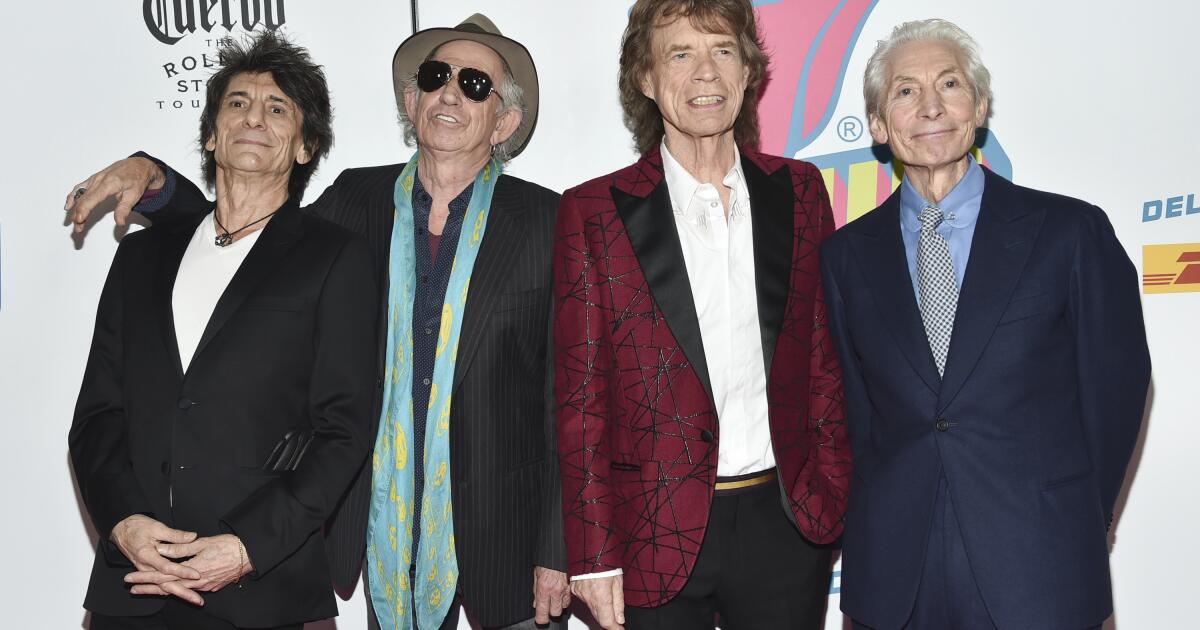
The Rolling Stones’ discography remains one of the most scrutinized catalogs in rock history, spanning over six decades of evolution from blues-obsessed youths to global stadium icons. While consensus on their absolute best work often centers on the “golden run” of the early 1970s, ranking every studio album reveals the shifting dynamics, creative risks, and occasional missteps of a band that famously defied early expectations of longevity. Mick Jagger once famously remarked in a 1975 interview that he would rather be dead than sing “(I Can’t Get No) Satisfaction” at age 45, a statement that underscores the band’s initial belief that their rock-and-roll lifestyle had a finite shelf life. Instead, the group has continued to record and perform well into the 21st century, with their most recent studio album, Hackney Diamonds, released in 2023.
Evaluating the band’s output requires balancing commercial impact, critical reception, and the internal chemistry between Mick Jagger and Keith Richards. While early records like The Rolling Stones (1964) were essential for establishing their identity as the “anti-Beatles,” the true creative peak is widely recognized as the four-album sequence of Beggars Banquet (1968), Let It Bleed (1969), Sticky Fingers (1971), and Exile on Main St. (1972). These records defined the blues-rock genre and remain the benchmarks against which all other entries are measured.
The Foundations of a Legacy
The band’s early years were characterized by a rapid output of rhythm and blues covers, which served to build their reputation as a formidable live act. Albums such as The Rolling Stones (1964) and 12 x 5 (1964) are often ranked lower in critical assessments because they lack the original songwriting depth that would later define the band’s legacy. According to AllMusic’s comprehensive discography, these early projects were instrumental in cementing the band’s influence in the UK and US, even if the songwriting was still maturing.

As the 1960s progressed, the band moved toward psychedelic experimentation with Their Satanic Majesties Request (1967). Often described by music historians as a response to the Beatles’ Sgt. Pepper’s Lonely Hearts Club Band, it remains one of the most divisive entries in their catalog. While some critics view it as a failed experiment, others highlight tracks like “2000 Light Years from Home” as evidence of the band’s willingness to push creative boundaries beyond their blues roots.
The Golden Era: 1968–1972
If any period defines The Rolling Stones, it is the four-year span that produced their most critically acclaimed material. Beggars Banquet signaled a return to the band’s roots, stripping away the psychedelia for a gritty, acoustic-heavy sound. This was followed by Let It Bleed, which introduced Mick Taylor and featured tracks like “Gimme Shelter,” widely regarded as one of the band’s definitive songs. According to Rolling Stone’s analysis of the band’s catalog, the transition from Brian Jones to Mick Taylor marked a period of immense musical growth that allowed the band to explore complex guitar textures.

Sticky Fingers and Exile on Main St. are frequently cited by music critics as the apex of the band’s studio career. Exile on Main St., recorded in the basement of a villa in the South of France, is often hailed for its dense, murky production and sprawling scope. Despite mixed reviews upon its initial 1972 release, it has since been re-evaluated by publications like Pitchfork as a masterpiece of rock-and-roll excess.
Mid-Career Experiments and Commercial Peaks
Following their peak, the band entered a phase of consolidation and stylistic shifts. The late 1970s and 1980s saw the band adapting to new musical trends, including disco and punk. Some Girls (1978) is frequently ranked as the best of their post-1972 output, successfully integrating dance-floor rhythms with their signature guitar-driven sound. Conversely, albums like Dirty Work (1986) are often placed at the lower end of rankings, reflecting the well-documented personal tensions between Jagger and Richards during that era.
Throughout the 1990s and 2000s, the band balanced touring with occasional studio efforts. Voodoo Lounge (1994) marked a return to a more traditional blues-rock sound, while A Bigger Bang (2005) received praise for its raw, energetic delivery. The release of Hackney Diamonds in 2023 served as a reminder of the band’s endurance, garnering positive reviews for its contemporary production and the inclusion of guest artists such as Lady Gaga and Stevie Wonder, as detailed in reports from BBC News.
Ranking Criteria and Context
Ranking the band’s 31 studio albums—including those released in the UK and US variants during the 1960s—is subjective, but most critical consensus relies on the following factors:

- Songwriting Consistency: The ratio of original classics to filler material.
- Production Quality: How well the album captures the band’s intended atmosphere.
- Cultural Impact: The album’s influence on the broader rock-and-roll landscape.
- Band Chemistry: The alignment of the members during the recording process.
While the band continues to tour and record, the debate over their ranking remains a permanent fixture of pop culture discourse. Whether one prefers the raw, unpolished blues of the mid-60s or the polished, stadium-ready anthems of the modern era, the breadth of their catalog ensures that new listeners continue to find entry points into their history. The next major update regarding the band’s future activities, including potential tour dates or future recording sessions, will be posted on their official website. Readers are encouraged to share their own rankings in the comments below.