Federal regulators and policymakers have spent recent years shepherding digital assets from the fringes of finance into mainstream portfolios, making cryptocurrency accessible through exchange-traded funds and retirement accounts. Yet a comprehensive report published on July 9 by the USA Today reveals that crypto investors remain relatively rare across the United States. While roughly 17% of American adults have owned crypto at some point, only about 9% hold digital currencies today, indicating that nearly half of all prior participants have exited the market.
Spot Bitcoin ETFs and the Failed Retail Wave
Until 2024, everyday investors seeking digital currencies generally had to navigate specialized crypto exchanges, a barrier that kept many casual participants on the sidelines. That dynamic shifted in January 2024 when federal regulators approved spot Bitcoin ETFs, allowing ordinary Americans to buy and sell digital assets through standard stock market accounts.
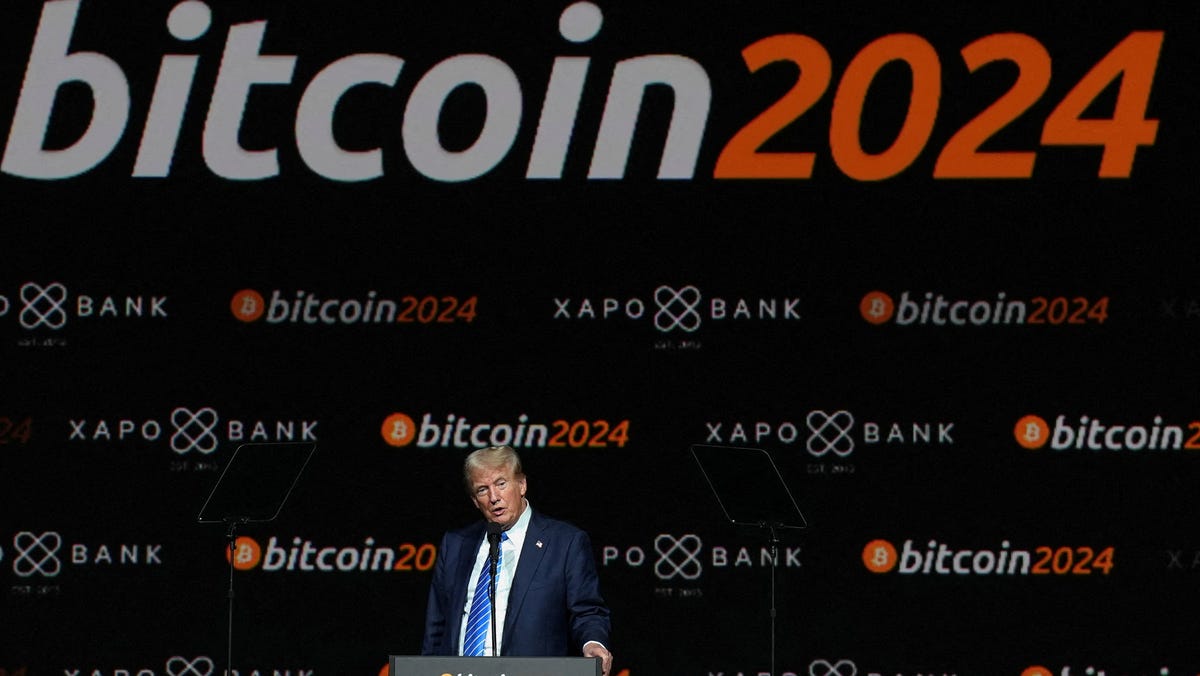
President Donald Trump amplified those efforts by promoting crypto for exchange-traded fund investors and retirement savers, pledging a national cryptocurrency stockpile and vowing to make the United States the crypto capital of the planet
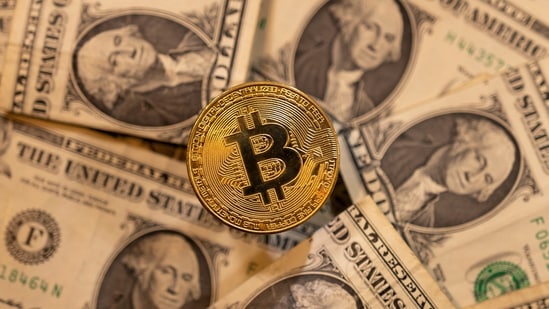
as part of a campaign that drove Bitcoin prices to record highs in 2025. But that policy momentum failed to generate a lasting retail boom. Instead, Bitcoin shed roughly half of its value, plunging from around $125,000 in October 2025 to about $65,000 in late July 2026.
Data from the Urban Institute survey, which drew from responses gathered from more than 3,000 adults in January, aligns closely with broader federal figures. Research published in May by the Federal Reserve on household economic well-being showed that 10% of adults used cryptocurrency in 2025, down from a peak of 12% in 2021. By contrast, roughly 62% of Americans own traditional stocks, underscoring how digital currencies continue to lag behind mainstream equities.
Retirement Account Expansion and Expert Doubts
As digital assets faced widening market headwinds, regulatory efforts pressed forward on multiple fronts. In 2025, family businesses tied to President Trump earned about $1.4 billion from various cryptocurrency projects, according to financial disclosures cited by The New York Times. Earlier this year, the Labor Department issued a proposed rule designed to ease legal and regulatory barriers that previously restricted adding crypto and alternative investments to retirement plans.
That push has drawn sharp pushback from critics who argue that digital currencies do not belong in nest eggs due to extreme price swings and widespread public confusion. If you understand how crypto works, that’s OK,
said Luisa Godinez-Puig, a senior research associate at the Urban Institute, But for a lot of people, crypto is a bit of a mystery. It comes with a bit of a learning curve.
Financial strategists point out that structural market volatility remains a primary deterrent for cautious savers. People still view it as a more specialized asset class,
said Amy Arnott, a portfolio strategist at Morningstar. And I think that volatility and these periodic huge declines are still probably keeping people away.
Why Former Owners Abandoned Digital Assets
The Urban Institute study revealed a clear philosophical divide between current and former crypto holders. Among active investors, 45% cited portfolio diversification as their primary motivation, 37% pointed to an interest in new technologies, and 27% expressed a belief that digital currencies represent the future of finance.
Former crypto owners demonstrated very different priorities. Roughly 8% of Americans surveyed indicated they once held digital assets but sold their holdings entirely. Unlike long-term participants, these former investors were more likely to enter the market purely for short-term financial gains and subsequently abandoned digital currencies after sustaining losses during market downturns.
By definition, that means that people are selling,
said Caleb Silver, editor in chief of Investopedia, regarding the steep drop in Bitcoin valuation. And that likely means that people who may have experimented in buying it have decided that they don’t want to own it anymore, because they’ve seen the price crash.
Worth a look