
For years, the medical community has viewed certain powerful cholesterol-lowering medications as a “second line” of defense—tools used primarily after a patient had already suffered a cardiac event. However, new clinical evidence suggests a paradigm shift in cardiovascular care, indicating that evolocumab reduces risk of first heart attack, stroke, or coronary heart disease death in high-risk individuals who have not yet experienced such an event.
As a physician trained at Charité – Universitätsmedizin Berlin and a longtime health journalist, I have followed the evolution of lipid-lowering therapies closely. The transition from secondary prevention—treating those already ill—to primary prevention—stopping the first event from occurring—is one of the most significant goals in public health. The latest findings regarding PCSK9 inhibitors suggest we are moving closer to that goal for a specific, vulnerable population.
Researchers from Mass General Brigham recently unveiled the results of a large-scale clinical trial involving 12,257 high-risk patients. The study found that adding the drug evolocumab to a patient’s existing treatment regimen reduced the risk of a first heart attack, first stroke, or coronary heart disease death by 25%. These results were presented at the American Heart Association Scientific Sessions and published in The New England Journal of Medicine.
Understanding the Role of PCSK9 Inhibitors
To understand why this is a breakthrough, it is necessary to understand the mechanism of the drug. Evolocumab belongs to a class of medications known as PCSK9 inhibitors. These drugs are specifically designed to reduce LDL cholesterol, often referred to as “bad” cholesterol, which is a primary risk factor for the development of cardiovascular events.
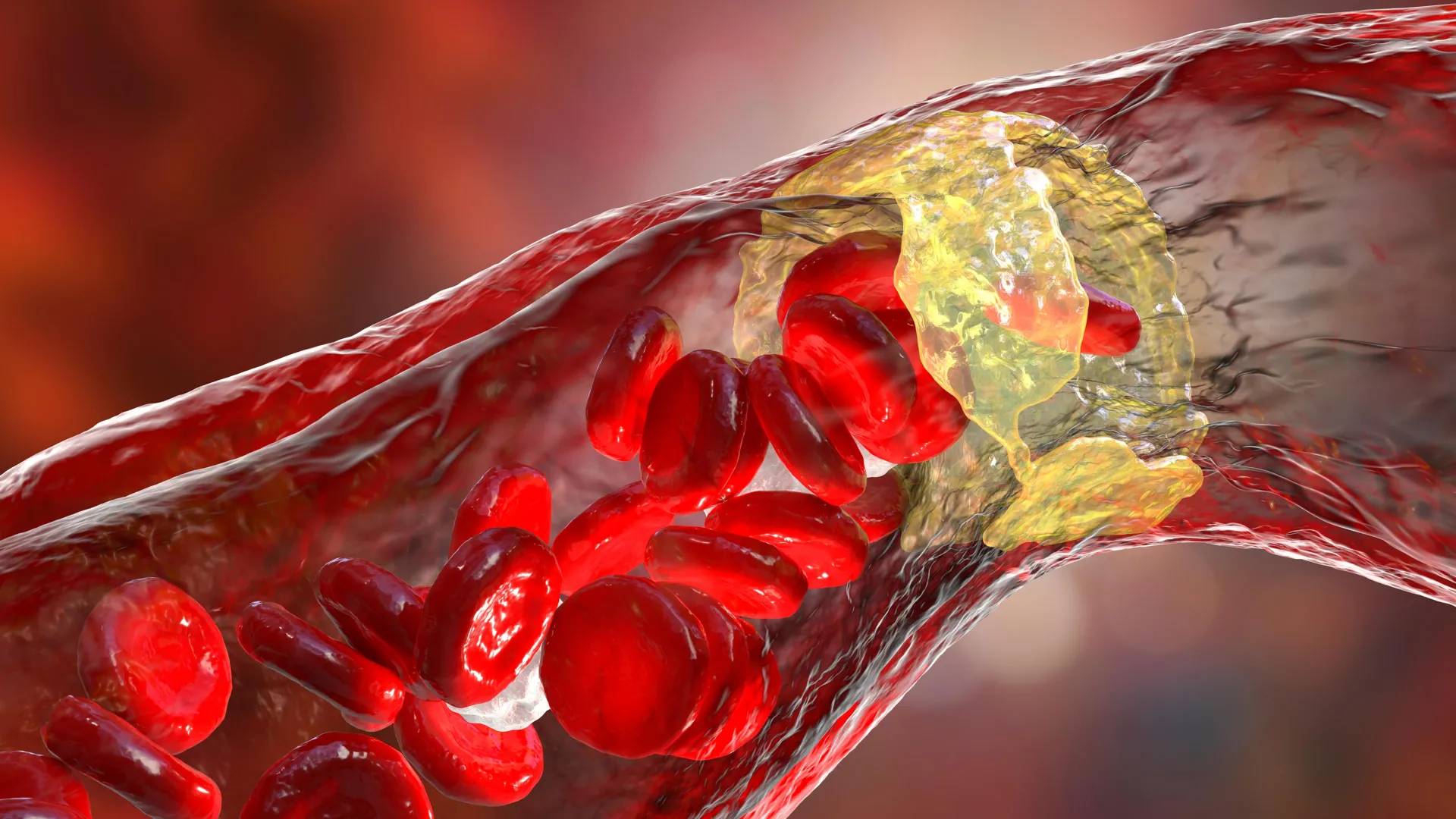
LDL cholesterol contributes to the buildup of plaque in the arteries, a process known as atherosclerosis. When this plaque ruptures or grows large enough to block blood flow, it results in a myocardial infarction (heart attack) or a stroke. While statins have long been the gold standard for lowering LDL, some patients remain at high risk despite maximum statin therapy, or they may be unable to tolerate them. This is where PCSK9 inhibitors provide a critical alternative or additive layer of protection.
Targeting High-Risk Patients with Diabetes and Atherosclerosis
The significance of this trial lies in who was studied. Historically, evolocumab was typically reserved for people who already had established cardiovascular disease. This new research focused on “primary prevention”—patients who are at high risk but have not yet had a previous myocardial infarction or stroke.
Specifically, the study evaluated the drug’s efficacy in patients with diabetes or those with atherosclerosis who had not yet suffered a major event. According to research published in JAMA, the trial sought to determine if evolocumab could prevent first major cardiovascular events in high-risk patients, including those without known significant atherosclerosis but who lived with diabetes.
The findings confirmed that PCSK9 inhibition with evolocumab led to a lower risk of first cardiovascular events compared to a placebo among these patients. This suggests that for those with high-risk profiles—particularly those with diabetes—aggressive LDL lowering can prevent the very first instance of a life-threatening cardiac event.
Clinical Impact and Expert Analysis
The implications for healthcare policy and patient care are substantial. By identifying high-risk patients before they suffer a stroke or heart attack, clinicians can potentially save lives and significantly improve the long-term quality of life for millions of people globally.
Erin Bohula, MD, a cardiologist at the Mass General Brigham Heart and Vascular Institute and the corresponding author of the study, emphasized the importance of these findings. “The results of this trial offer hope for preventing a first heart attack, stroke, or other cardiovascular event in patients who are at high risk,” Dr. Bohula stated. She further noted that the findings reflect a commitment to rigorous clinical trials aimed at advancing patient care.
The publication of these results in The New England Journal of Medicine provides the academic validation necessary for physicians to initiate reconsidering how they apply PCSK9 inhibitors in a clinical setting. Rather than waiting for a disaster to happen, the focus is shifting toward proactive, aggressive prevention.
Key Takeaways from the Evolocumab Trial
- Population: 12,257 high-risk patients without a previous heart attack or stroke.
- Outcome: A 25% reduction in the risk of first heart attack, first stroke, or coronary heart disease death.
- Target Groups: Patients with diabetes or atherosclerosis who are at high risk for cardiovascular events.
- Mechanism: Significant reduction of LDL cholesterol via PCSK9 inhibition.
- Validation: Results presented at the American Heart Association Scientific Sessions and published in The New England Journal of Medicine.
What This Means for Patients
For the average patient, this news does not mean that everyone should start taking a PCSK9 inhibitor. These medications are typically used when other treatments, such as diet, exercise, and statins, are insufficient to reach target LDL levels or when the patient’s risk profile is exceptionally high.
Patients with diabetes, in particular, should discuss their cardiovascular risk profile with their healthcare providers. Because diabetes significantly increases the likelihood of developing atherosclerosis, the ability to prevent a first-time event through medical innovation is a major step forward in metabolic and cardiac health.
The shift toward primary prevention represents a broader trend in medicine: moving away from “reactive” care and toward “predictive” and “preventative” care. By leveraging biomarkers and rigorous trial data, doctors can now identify who is most likely to benefit from these powerful drugs before a crisis occurs.
As we look forward, the medical community will be watching for updated clinical guidelines from major cardiovascular associations to observe how these findings translate into standard prescribing practices. For now, the data provides a strong foundation for the utilize of evolocumab in a wider array of high-risk patients.
The next confirmed step in this process will be the integration of these trial results into updated clinical practice guidelines by major cardiovascular health organizations, which typically follow the publication of such large-scale trials in journals like The New England Journal of Medicine.
Do you or a loved one manage high cholesterol or diabetes? We encourage you to share your thoughts or questions in the comments below, and share this article with others who may find this medical update helpful.