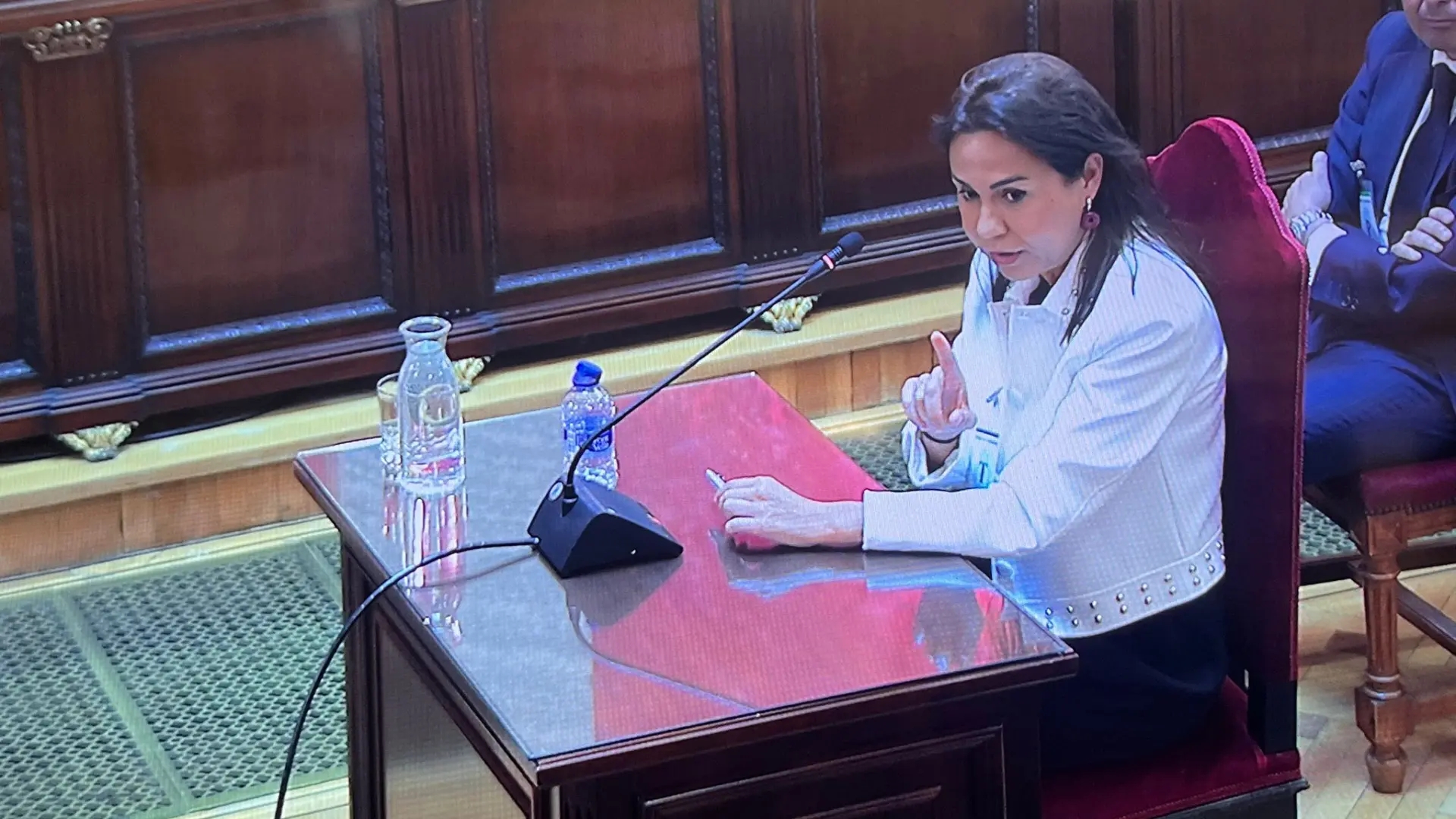
The legal proceedings surrounding the “mask case” in Spain have entered a critical phase, as the former president of Adif, Isabel Pardo de Vera, provided testimony on Wednesday, April 15, 2026, before the Supreme Court. Her statements have cast a stark light on the operational irregularities within the Ministry of Transport during the pandemic, specifically regarding the unrestricted access granted to businessman Víctor de Aldama.
Pardo de Vera testified that she was frequently struck by the presence of Aldama in the “noble area” of the Ministry—a restricted zone reserved for the department’s head. According to her testimony, Aldama’s frequent visits were not only unusual but conflicted with institutional and ethical codes, leading her to alert the then-Minister of Transport, José Luis Ábalos, about the situation in mid-2020 via RTVE.
This testimony comes as part of a broader trial against Ábalos, his former advisor Koldo García, and Víctor de Aldama for the alleged irregular procurement of sanitary materials during the COVID-19 pandemic. The case has evolved into a complex web of corruption allegations, with the former minister and his advisor facing potential prison sentences of up to 30 years via El País.
Beyond the procurement scandal, Pardo de Vera’s appearance also addressed secondary allegations of nepotism and influence peddling, specifically regarding the hiring of Jésica Rodríguez. While the former Adif chief sought to distance herself from the legitimacy of Rodríguez’s employment at public entities, her testimony highlighted the internal friction and “conflicts of interest” that characterized the administration’s inner circle.
Unrestricted Access: The Presence of Víctor de Aldama
A central pillar of Pardo de Vera’s testimony was the “asiduity” with which Víctor de Aldama frequented the restricted third floor of the Ministry of Transport. She described the area as a reserved space where even she, as the president of Adif, had to ring a bell to be admitted by attendants. Despite having no official role within the Ministry, Aldama was frequently seen in this “reserved area,” often accompanied by Koldo García via EFE.
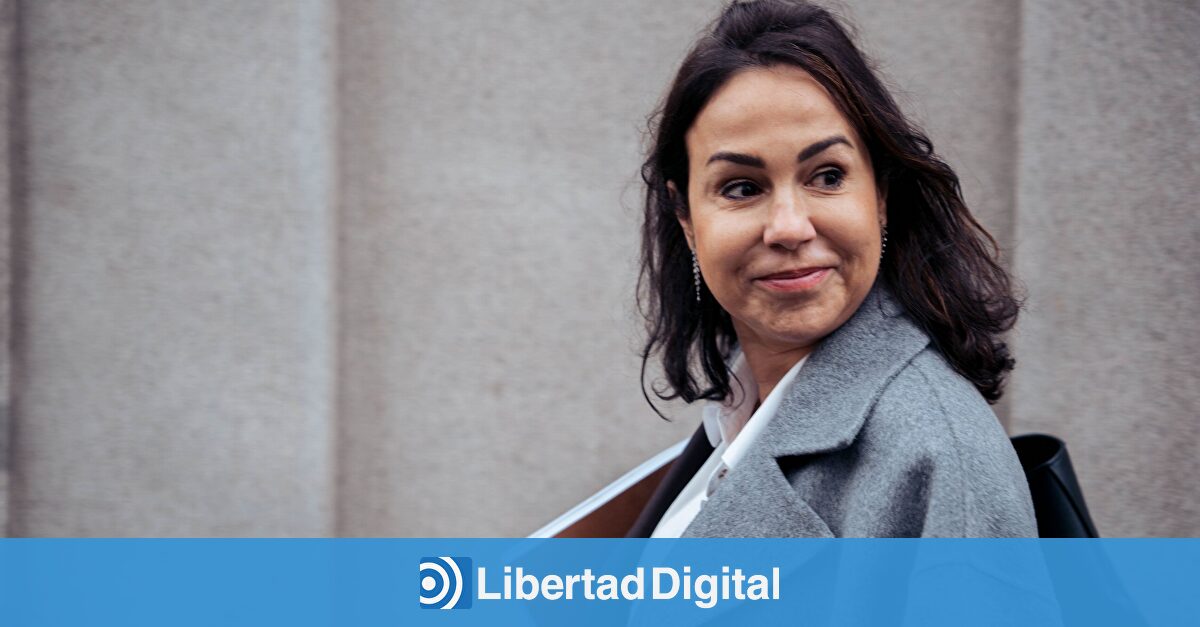
Pardo de Vera stated that this situation “chocked” her from an ethical and institutional perspective. She recounted a specific conversation with José Luis Ábalos in mid-2020, during which she expressed her concern and questioned the role Aldama played within the ministry. According to the witness, Ábalos responded that Aldama was likely “a friend of Koldo García” and claimed he had “taken note” of the concern. Following this exchange, Pardo de Vera claims she no longer saw the businessman in the building, though she noted this did not preclude him from visiting when she was absent via RTVE.
This account was corroborated by another witness, Civil Guard officer José Luis Rodríguez. Rodríguez testified that Aldama entered and exited the Ministry “without asking anyone for permission,” sometimes multiple times a day. He further noted that Aldama utilized the “authorities” parking area, an arrangement the officer claimed was a unique case in his experience via El País.
The Controversy Over Jésica Rodríguez’s Hiring
The trial also touched upon a separate but related legal battle. Isabel Pardo de Vera is currently under investigation by the Audiencia Nacional regarding alleged “mordidas” (kickbacks) in public works contracts and the irregular hiring of women linked to Ábalos. A primary focus was the employment of Jésica Rodríguez at the companies Ineco and Tragsatec.
Pardo de Vera denied exerting pressure for Rodríguez’s hiring. She testified that she merely forwarded the young woman’s curriculum vitae to the president of Ineco, stating that the document had arrived from the minister’s office “for your consideration.” She maintained that at the time of this referral, she was unaware of the personal relationship between Rodríguez and José Luis Ábalos.
However, the witness admitted that once she became aware of the relationship—which she described as a “clear conflict of interest”—she contacted Ábalos to inform him that renewing the contract was not possible. Despite this, Rodríguez eventually secured a position at Tragsatec. Pardo de Vera denied knowing about the Tragsatec appointment until it became public knowledge through the media following the “Koldo case” explosion.
Institutional Impact and Legal Stakes
The testimony of Pardo de Vera underscores a perceived breakdown of institutional standards. She was particularly critical of Koldo García, stating that he did not meet the “institutional standards of a public body” and that she had never encountered a person like him in a professional setting via EFE.
The legal implications for the defendants are severe. The trial, which is expected to span 13 days and feature 81 witnesses, seeks to determine if a corrupt network was established to profit from the purchase of medical supplies during the pandemic’s initial chaos. While Ábalos and García face demands for up to 30 years in prison, the prosecution is seeking seven years for Aldama, who has received a mitigating factor for confessing to some of the attributed crimes via El País.
Key Trial Details at a Glance
| Defendant | Role | Potential Penalty/Status |
|---|---|---|
| José Luis Ábalos | Former Transport Minister | Up to 30 years imprisonment |
| Koldo García | Former Ministerial Advisor | Up to 30 years imprisonment |
| Víctor de Aldama | Businessman/Commission Agent | 7 years (with mitigating factors) |
| Isabel Pardo de Vera | Former Adif President | Witness (Investigated by Audiencia Nacional) |
The proceedings continue as the Supreme Court examines the extent to which private interests infiltrated the highest levels of the Spanish Ministry of Transport. The next phase of the trial will involve the remaining seven witnesses scheduled for the current week, as the court seeks to piece together the timeline of the irregular contracts and the influence exerted by the “interlocutor” Koldo García.
For those following the legal developments of the case, official updates and filings can be monitored through the Spanish Supreme Court’s public records.
What are your thoughts on the institutional safeguards in place for government ministries? Share your views in the comments below or share this analysis with your network.