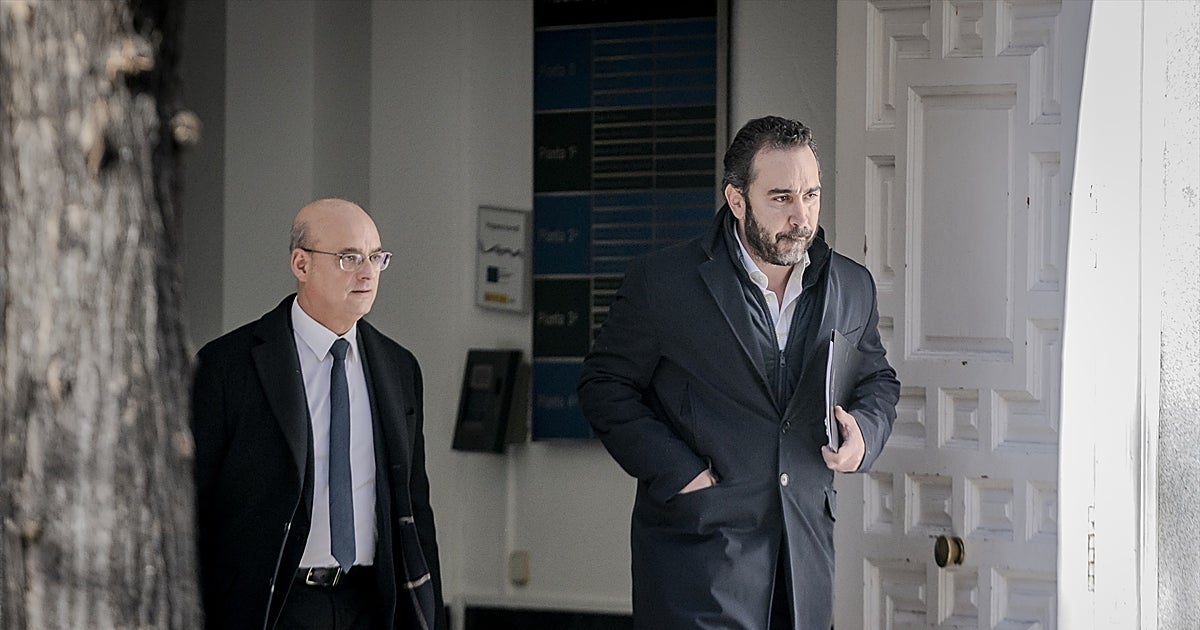
In the high-stakes world of Spanish legal and political intrigue, José Antonio Choclán—widely known as the “abogado de las estrellas” (lawyer of the stars)—has emerged as a central figure in one of the most explosive corruption cases to grip Spain in recent years. As the defense attorney for Víctor de Aldama, a former executive and prominent figure in Spain’s business and political elite, Choclán has consistently framed the legal proceedings as a matter of profound judicial significance, arguing that the case against his client is far from concluded. With allegations spanning bribery, influence peddling, and ties to high-ranking officials, the Aldama case has become a litmus test for Spain’s fight against corruption, raising questions about accountability, due process, and the intersection of power, and justice.
Choclán’s recent statements underscore a critical legal principle: that the judicial process in Spain is not a sprint but a marathon, with multiple phases, appeals, and potential revelations still to unfold. For observers of Spanish politics and law, the Aldama case is more than a legal saga—We see a microcosm of the broader challenges facing Spain’s institutions as they grapple with corruption scandals that have eroded public trust. The stakes are high, not only for Aldama and his legal team but for the broader narrative of transparency and reform in Spain.
This article explores the legal landscape surrounding the Aldama case, the role of Choclán’s defense strategy, and what the next steps could mean for Spain’s political and judicial future. We’ll examine the allegations, the legal maneuvers at play, and the potential ripple effects on Spain’s reputation as a bastion of democratic governance.
Who Is Víctor de Aldama, and Why Is His Case So Significant?
Víctor de Aldama, a former executive with deep ties to Spain’s business and political circles, has been at the center of a corruption investigation linked to the so-called “trama de los hidrocarburos” (hydrocarbons scandal). The case hinges on allegations that Aldama and associates engaged in illicit financial dealings, including the payment of commissions to high-ranking officials in exchange for favorable contracts and regulatory advantages. According to court documents and media reports, Aldama’s legal troubles began in late 2023, when he was formally charged with participating in a network of bribes that allegedly funneled millions of euros to politicians and public servants.

One of the most explosive aspects of the case involves Aldama’s alleged payments to former government officials, including ex-Minister of Transport José Luis Ábalos and Koldo García, a close advisor to Pedro Sánchez, Spain’s prime minister. Aldama’s declaration before the Audiencia Nacional in November 2024—where he reportedly admitted to paying approximately €250,000 to Ábalos and €100,000 to García—sent shockwaves through Spanish political circles. These revelations, if substantiated, would implicate some of the highest-profile figures in Sánchez’s government and raise serious questions about the integrity of Spain’s political system.
Yet, as Choclán has repeatedly emphasized, the case is far from closed. The defense team argues that the prosecution’s evidence is circumstantial and that Aldama’s statements were made under duress or misinterpreted. Choclán has also pointed to the broader context of Spain’s judicial system, where high-profile cases often drag on for years, with appeals and retrials altering the trajectory of investigations. For now, the focus remains on the next phases of the trial, where prosecutors and defense attorneys will present their cases in greater detail.
The Role of José Antonio Choclán: Defense Strategy and Legal Maneuvers
José Antonio Choclán is no stranger to high-profile legal battles. A seasoned criminal lawyer with a reputation for taking on complex and politically sensitive cases, Choclán has built a career defending clients accused of white-collar crimes, often against a backdrop of intense media scrutiny. His nickname, “abogado de las estrellas,” reflects his ability to secure acquittals or favorable outcomes for clients who might otherwise face severe penalties. In the Aldama case, Choclán’s strategy appears to be twofold: challenging the prosecution’s evidence and framing the case as a broader critique of Spain’s judicial process.
One of Choclán’s key arguments is that the Aldama case is part of a larger pattern of politically motivated prosecutions in Spain, where high-profile defendants are often targeted due to their connections rather than the strength of the evidence against them. This narrative resonates with a segment of the Spanish public that views the judiciary as overly aggressive in pursuing cases involving business elites and politicians. Choclán has also highlighted the potential for new evidence to emerge, suggesting that the prosecution’s case may not be as airtight as it appears.
Legal experts note that Choclán’s approach is not without precedent. In Spain, defense attorneys often leverage the country’s robust appeals process to delay or derail convictions, particularly in cases where the political implications are significant. The Aldama case, with its ties to the Sánchez government, is no exception. Choclán’s team is likely to explore every legal avenue to ensure that Aldama’s rights are protected, even as the public and media scrutinize every move.
Key Allegations: What the Prosecution Claims
The prosecution’s case against Aldama rests on several pillars, each of which carries serious implications for Spain’s political and economic landscape:
- Bribery and Influence Peddling: Prosecutors allege that Aldama and his associates paid commissions to officials to secure contracts in the energy sector, particularly during the COVID-19 pandemic when demand for personal protective equipment (PPE) and medical supplies surged. According to court filings, these payments were made to secure lucrative deals in the sale of masks, ventilators, and other critical supplies.
- Ties to High-Ranking Officials: The most damning allegations involve payments to former Minister Ábalos and García, who served as a senior advisor to Sánchez. Aldama’s declaration suggests that these payments were part of a broader network of corruption that extended to other officials, including Ángel Víctor Torres, who was then the president of the Canary Islands government. Torres has denied any wrongdoing and has not been formally charged.
- Financial Irregularities: Investigators have also scrutinized Aldama’s financial dealings, including offshore accounts and shell companies used to funnel money to officials. While the exact amounts remain under investigation, reports suggest that the total could exceed €1 million, making this one of the largest corruption cases in Spain in recent memory.
For the prosecution, the case is about holding Aldama and his associates accountable for their actions and sending a clear message that no one—regardless of their connections—is above the law. Yet, as Choclán has argued, the prosecution must prove its case beyond a reasonable doubt, a standard that has proven elusive in many high-profile corruption trials in Spain.
What Happens Next: The Road Ahead for the Aldama Case
The Aldama case is currently in a critical phase, with both sides preparing for what could be a prolonged legal battle. Here’s what to watch for in the coming months:
- Upcoming Court Hearings: The next major hearing in the Audiencia Nacional is scheduled for June 15, 2026, where prosecutors and defense attorneys will present closing arguments. This hearing will be closely watched, as it could set the stage for a potential verdict or further delays.
- Appeals Process: If Aldama is convicted, his legal team is expected to appeal the decision, a process that could drag on for years. Spain’s appeals courts are known for their meticulous reviews, and Choclán’s team may seek to overturn the verdict based on procedural errors or new evidence.
- Political Fallout: The case’s implications for Pedro Sánchez’s government remain a wild card. While Sánchez has not been directly implicated, the allegations against his advisors and former ministers could damage his administration’s credibility. Political analysts suggest that Sánchez may face increased pressure to address corruption perceptions, potentially leading to reforms in Spain’s judicial or political oversight bodies.
- Public and Media Scrutiny: The Aldama case has already dominated Spanish news cycles, with daily updates on the trial’s progress. As the case unfolds, public opinion may shift depending on the outcome of the hearings and the strength of the prosecution’s evidence.
For now, the focus remains on the next hearing, where the fate of Aldama—and the broader narrative of corruption in Spain—could hinge on a few key legal arguments. Choclán’s insistence that “queda mucho recorrido judicial” (there is still much judicial room to maneuver) underscores the uncertainty ahead, but it also highlights the high stakes for all parties involved.
Why This Case Matters Beyond Spain’s Borders
The Aldama case is not just a Spanish story—it is a story with global implications. As corruption scandals continue to rock European democracies, the outcome of this trial could serve as a precedent for how similar cases are handled in other countries. Spain’s reputation as a stable and transparent democracy is at stake, and the Aldama case forces the country to confront uncomfortable questions about the integrity of its institutions.
For businesses operating in Spain, the case also carries significant weight. Corruption scandals can deter foreign investment, and the Aldama trial serves as a reminder of the risks associated with doing business in a market where political connections can cloud legal and ethical boundaries. As Spain seeks to position itself as a leader in Europe’s economic recovery, the resolution of high-profile corruption cases will be critical to restoring investor confidence.
Key Takeaways: What Readers Should Know
- The Aldama case involves allegations of bribery, influence peddling, and financial irregularities tied to Spain’s energy sector and COVID-19 PPE contracts.
- José Antonio Choclán, Aldama’s defense attorney, has framed the case as a matter of due process, arguing that the prosecution’s evidence is insufficient and that the judicial process is not yet complete.
- The next major hearing is scheduled for June 15, 2026, where closing arguments will be presented.
- The case has broader implications for Spain’s political landscape, with potential fallout for Pedro Sánchez’s government and its handling of corruption allegations.
- For businesses and investors, the outcome of the trial could influence perceptions of Spain’s economic and legal stability.
As the Aldama case continues to unfold, one thing is clear: the road ahead is long and uncertain. For now, all eyes are on the courtroom, where the next chapter of this legal drama will be written. Whether the case results in convictions, acquittals, or further delays, its impact on Spain’s judicial and political systems will be felt for years to come.
We’ll continue to monitor the developments closely and provide updates as the case progresses. In the meantime, we encourage readers to share their thoughts on the Aldama case and its implications for Spain’s future. What do you think the outcome will be, and how might it affect the country’s political landscape? Join the conversation in the comments below.
Keep reading