
Former New York Prison Guard Sentenced to 25 Years to Life in Inmate beating Death: A Deep Dive into the Marcy Correctional Facility Case and Prison Reform
The brutal beating of Robert Brooks at Marcy Correctional facility in December 2024 has culminated in a landmark sentencing, sparking critical conversations about prison reform and accountability within New York’s correctional system. David Kingsley, a former guard at the facility, was sentenced on Friday, december 20, 2025, to 25 years to life in prison for second-degree murder, and an additional 25 years for manslaughter, in connection with Brooks’ death. This sentencing marks a pivotal moment, representing the only murder conviction secured against a former guard in this harrowing case. But what exactly happened at Marcy Correctional Facility, and what systemic changes are being implemented to prevent similar tragedies?
The Events of December 9, 2024: A Case of Excessive Force
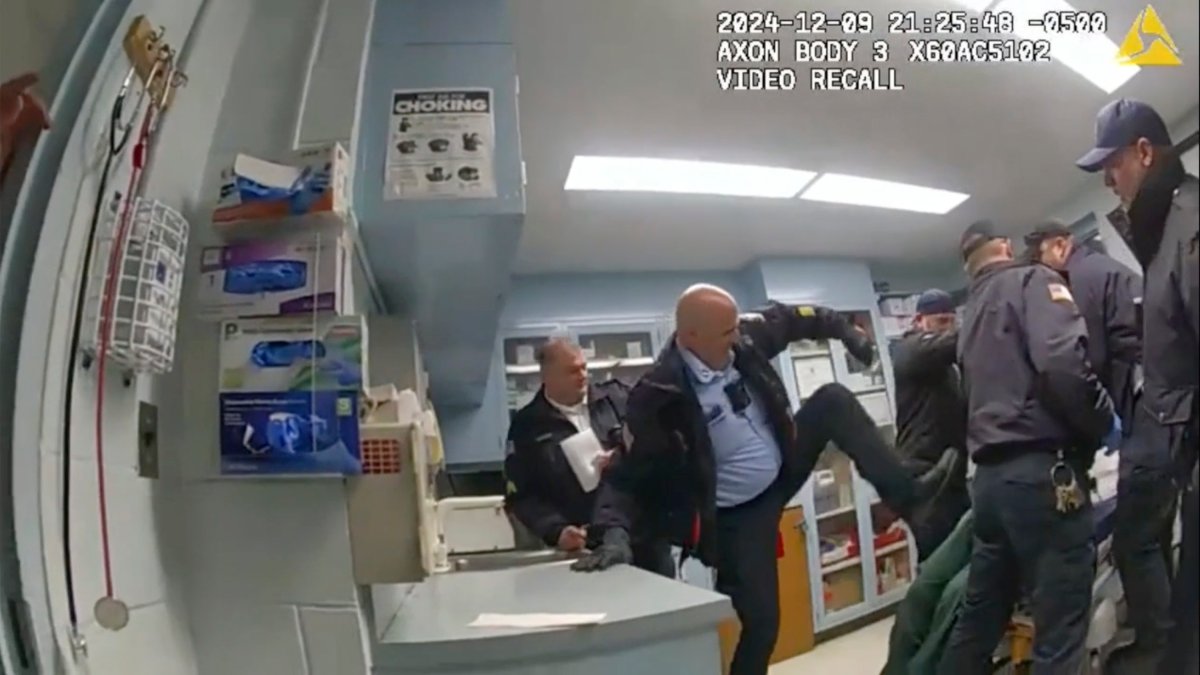
The death of robert Brooks, a 43-year-old Black man, sent shockwaves through New York State. The incident unfolded on the night of December 9, 2024, at Marcy Correctional Facility. Brooks was subjected to a sustained and violent assault by multiple corrections officers, an event horrifyingly captured on body-worn camera footage. The video, which quickly circulated, depicted Brooks, while handcuffed, being repeatedly punched and stomped upon by a group of guards.
The graphic nature of the footage ignited public outrage and demands for justice. It also prompted a thorough investigation led by Onondaga County District Attorney William Fitzpatrick, appointed as a special prosecutor in the case after New York Attorney General Letitia James recused herself due to prior representation of officers in related lawsuits.
Accountability and Convictions: Where the Case stands Now
Kingsley’s sentencing represents a significant step towards accountability. He was found guilty of both murder and manslaughter following a jury trial in October. Prosecutors argued for the maximum sentence, citing Kingsley’s lack of remorse and the profound trauma inflicted upon the Brooks family. Kingsley offered an apology to the family in court, acknowledging his role in the “senseless” actions that led to Brooks’ death.
though, Kingsley is not the only former guard facing consequences. five other guards involved in the assault have pleaded guilty to manslaughter charges. Three initially charged with murder later accepted pleas to first-degree manslaughter. One defendant is scheduled for trial on January 12, 2026, facing a second-degree manslaughter charge, while another is attempting to withdraw a previous guilty plea to the same charge.
The Brooks family expressed a cautious sense of relief. Robert Brooks Jr., the victim’s son, hopes the case will serve as a deterrent, preventing future instances of excessive force. Jared Ricks,Brooks’ brother,acknowledged that while forgiveness remains distant,the pursuit of justice is a crucial step forward.
Beyond Marcy: The Nantwi Case and Systemic Issues
The investigation into Brooks’ death isn’t an isolated incident. Fitzpatrick’s office is also prosecuting guards involved in the fatal beating of Messiah Nantwi, which occurred on March 1, 2024, at mid-State Correctional Facility, approximately 180 miles northwest of New York City. Ten guards were indicted in April, with two facing murder charges in connection with Nantwi’s death.
These two cases highlight a disturbing pattern of violence and a potential culture of impunity within New York’s prison system. The incidents have fueled calls for comprehensive reform, focusing on openness, accountability, and improved training for corrections officers.
New York Prison Reform: A Response to Tragedy
In a significant progress coinciding with Kingsley’s sentencing, Governor Kathy Hochul announced a deal with state lawmakers on a package of prison reforms. Key provisions include:
* mandatory Camera Installation: All state correctional facilities will be required to install camera systems, increasing transparency and providing crucial evidence in cases of alleged misconduct.
* Expedited Video Release: footage related to in-custody deaths will be promptly released to state investigators, ensuring timely and thorough investigations.
These reforms represent a direct response to the lack of transparency surrounding the Brooks and Nantwi cases. Advocates argue that increased surveillance and quicker access to evidence are essential for holding corrections officers accountable and preventing future abuses.
Evergreen: Understanding the Root Causes of Prison Violence
While the immediate focus is on accountability and reform, it’s crucial to understand the underlying factors contributing to prison violence. Overcrowding, understaffing, inadequate training, and a lack of mental health resources all play a role.A truly effective solution requires addressing these systemic issues, fostering a culture of respect and de-escalation, and prioritizing rehabilitation over punishment. Moreover, examining the racial disparities


