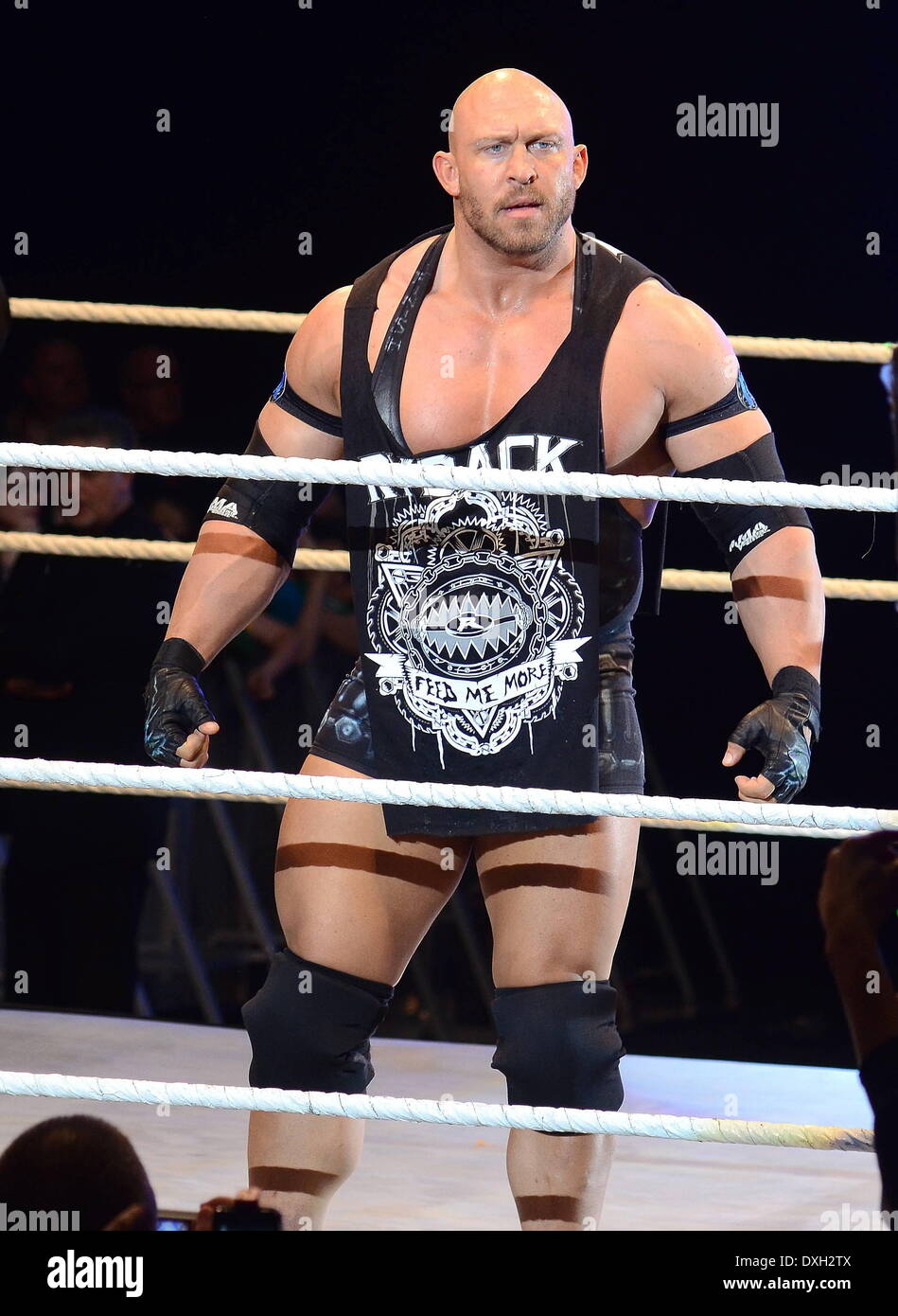
Former WWE star Ryback, born Ryan Reeves, has publicly detailed the specific moment he realized his career trajectory within the company had reached a standstill, leading to his eventual departure in 2016. In recent discussions regarding his professional history, Reeves identified a lack of creative growth and dissatisfaction with his standing as the primary catalyst for his exit, confirming that his decision to leave was a long-term strategic choice rather than a sudden impulse.
Reeves, who performed under the ring name Ryback from 2010 to 2016, noted that the corporate environment often stifled his ability to evolve, leaving him feeling that his professional development was being actively managed against his interests. The athlete, who remains a polarizing figure in professional wrestling, maintains that his departure was necessary to preserve his autonomy and future opportunities in the industry, according to his own statements on his podcast platform, The Ryback Show.
The Breaking Point: Creative Stagnation
The decision to leave WWE centered on what Reeves described as a fundamental disagreement regarding his character’s creative direction. After a significant push early in his main roster career—which included high-profile matches against CM Punk and John Cena—Reeves felt his momentum was intentionally halted by management. He pointed to specific instances where he believed his character was being pigeonholed, preventing him from connecting with audiences in the way he intended.
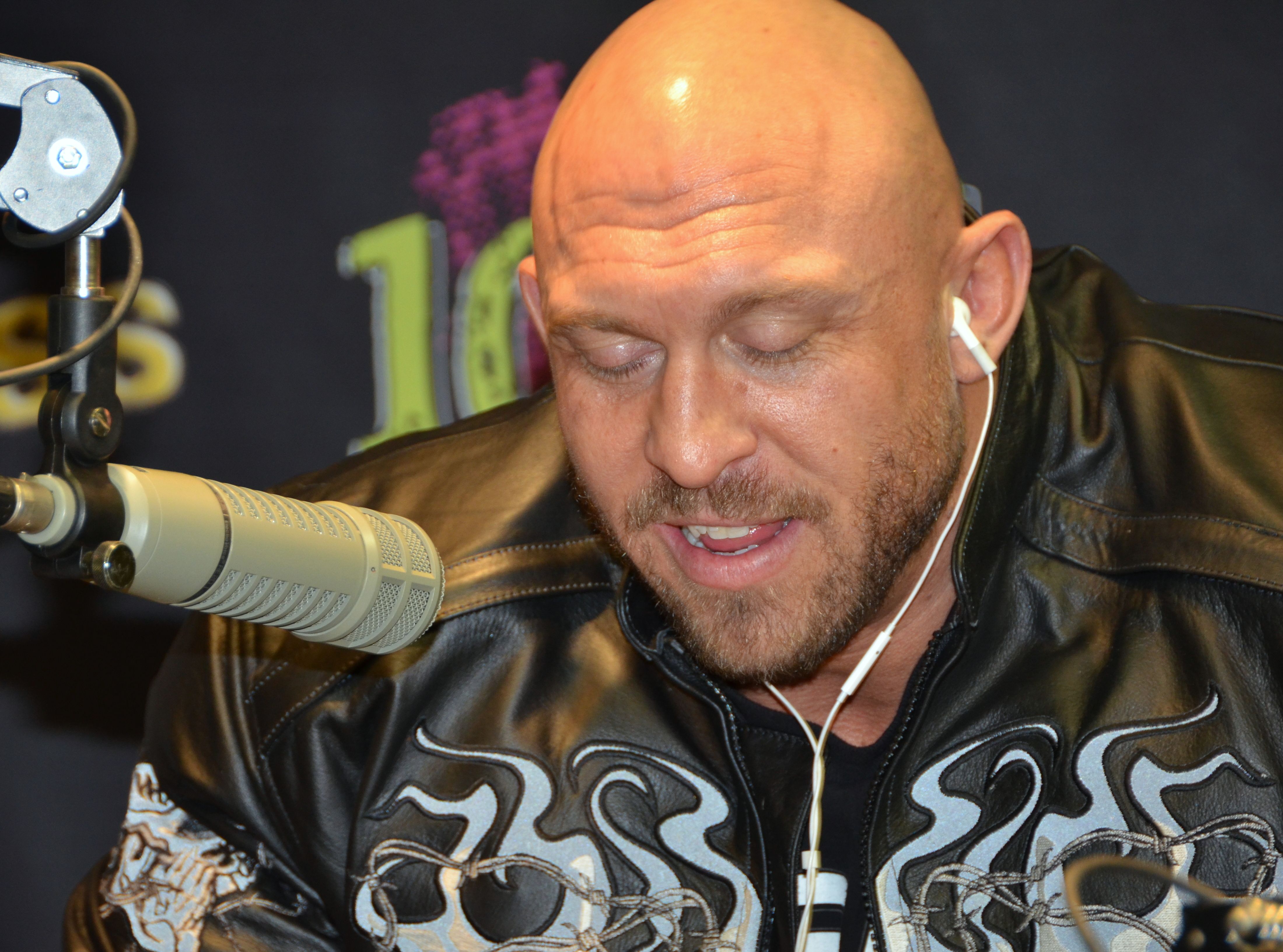
According to World Wrestling Entertainment (WWE) records, Reeves officially parted ways with the organization in August 2016, following several months of inactivity and reported contract disputes. The wrestler has consistently argued that the company’s internal structure prevented independent growth, a sentiment he echoed during his post-WWE career while navigating the transition to independent promotions and personal ventures.
Contractual Disputes and Financial Disparity
Beyond the creative frustrations, Reeves highlighted significant concerns regarding pay structures and contract negotiations. In the months leading up to his departure, he openly discussed the disparity in compensation between top-tier talent and those in the mid-card, arguing that the pay scale did not adequately reflect the physical risks associated with the industry. This public stance, which he documented extensively on his personal social media channels at the time, reportedly strained his relationship with corporate leadership.
The legal and administrative reality of his exit was finalized when his contract expired on August 8, 2016, as confirmed by reports from ESPN. Reeves chose not to renew his deal, citing a desire to pursue projects outside of the WWE’s rigid creative control. This move marked a permanent shift in his career, as he transitioned into a role as an independent contractor, focusing on his own brand, supplemental health products, and direct engagement with his fan base.
Reflecting on the WWE Legacy
Looking back at his tenure, Reeves maintains that his frustration was not with the sport itself, but with the institutional limitations placed upon performers. He has frequently criticized the lack of health benefits and the nature of independent contractor status for professional wrestlers, a topic that has gained significant traction in wider sports labor discussions over the last decade. His departure serves as a case study for the tension between individual performers and large-scale entertainment organizations.
Despite his exit, Reeves remains a recognizable figure in the industry, often utilizing his platform to provide commentary on current WWE storylines and corporate policies. His transition underscores a broader trend of athletes seeking greater control over their intellectual property and career paths. While he has not returned to the company since his 2016 departure, his comments continue to spark debate among fans and analysts regarding the balance of power in professional wrestling.
What Happens Next for Independent Talent
The industry continues to evolve as more performers prioritize agency over long-term stability within major promotions. Recent shifts in the wrestling landscape, characterized by the rise of alternative promotions such as All Elite Wrestling (AEW), have provided athletes with more leverage during contract negotiations, a development that Reeves has noted as a positive change for the industry at large, as reported by Sports Illustrated.
For fans and followers of professional wrestling, the next major milestones involve the upcoming contract renewal periods for current top-tier talent and potential legislative changes concerning the classification of wrestlers as independent contractors. As these discussions develop, the experiences of former stars like Reeves remain a central reference point. Readers interested in the latest updates regarding sports labor policies and wrestling industry news are encouraged to check official statements from the WWE corporate portal for verified financial and structural disclosures.
What are your thoughts on how wrestlers manage their creative freedom? Join the conversation below and share your perspective on the changing landscape of professional wrestling.
Keep reading