Philadelphia Police Track AI Critics Under “First Amendment Activity” Surveillance
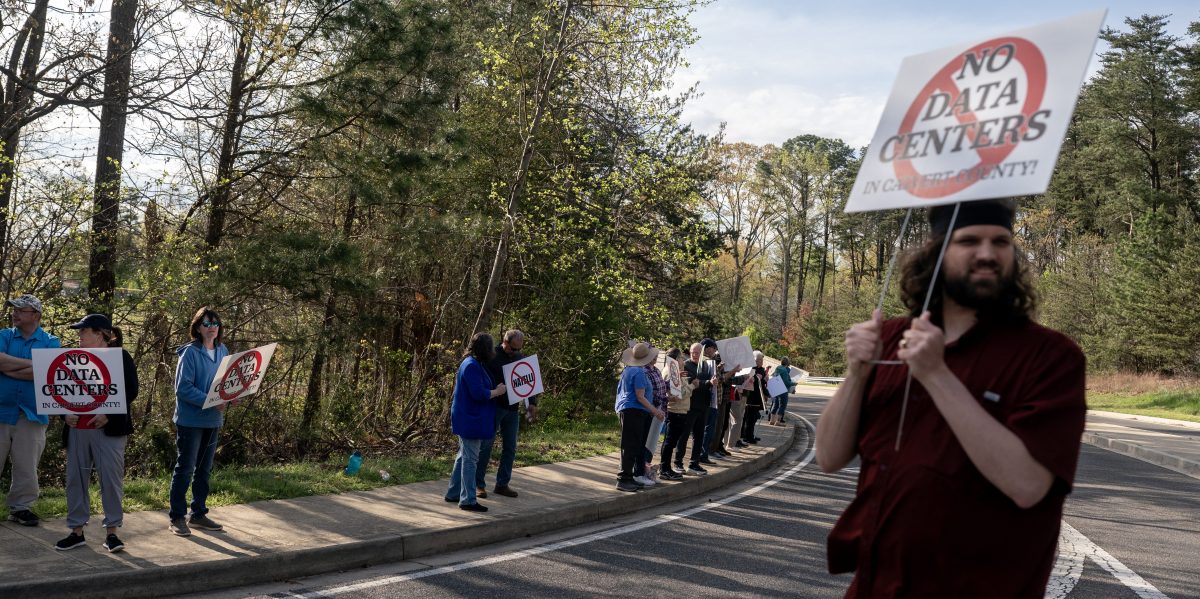
Philadelphia’s law enforcement intelligence center has begun monitoring online criticism of artificial intelligence data centers, labeling dissent as a potential “indicator” of violent extremism—a move that civil rights advocates warn risks chilling protected speech under the First Amendment.
A December 2025 bulletin from the Philadelphia Police Department’s Delaware Valley Intelligence Center (DVIC), obtained through public records requests, warns that “disruptive First Amendment activity” against AI infrastructure could signal a threat from “domestic violent extremists” (DVEs). The report, distributed to local and federal agencies, cites social media posts—including memes, fictional references, and hyperbolic rhetoric—as evidence of a growing risk to the region’s 16 existing and three proposed data centers.
The bulletin’s language raises alarms among legal experts, who argue that law enforcement is conflating legitimate community concerns with potential criminal activity. “This reflects a pattern of treating protected speech as a security threat,” said Paul Hetznecker, a Philadelphia-based civil rights attorney. “Seven out of ten Americans oppose having data centers as neighbors, yet the report equates boycotts and criticism with terrorism.”
How Law Enforcement Is Defining the “Threat”
The DVIC report, marked “for official use only,” identifies three categories of potential risks:
- Hyperbolic rhetoric: Posts describing a “moral obligation to sabotage AI infrastructure” or referencing fictional anti-robot uprisings (e.g., Dune‘s Butlerian Jihad). The bulletin notes these lack specific targets or plans.
- Online agitation: Discussions on image boards and Facebook groups about using magnets, explosives, or electromagnetic pulses (EMPs) to disrupt data centers. The report acknowledges these are “theoretical” and not tied to Philadelphia.
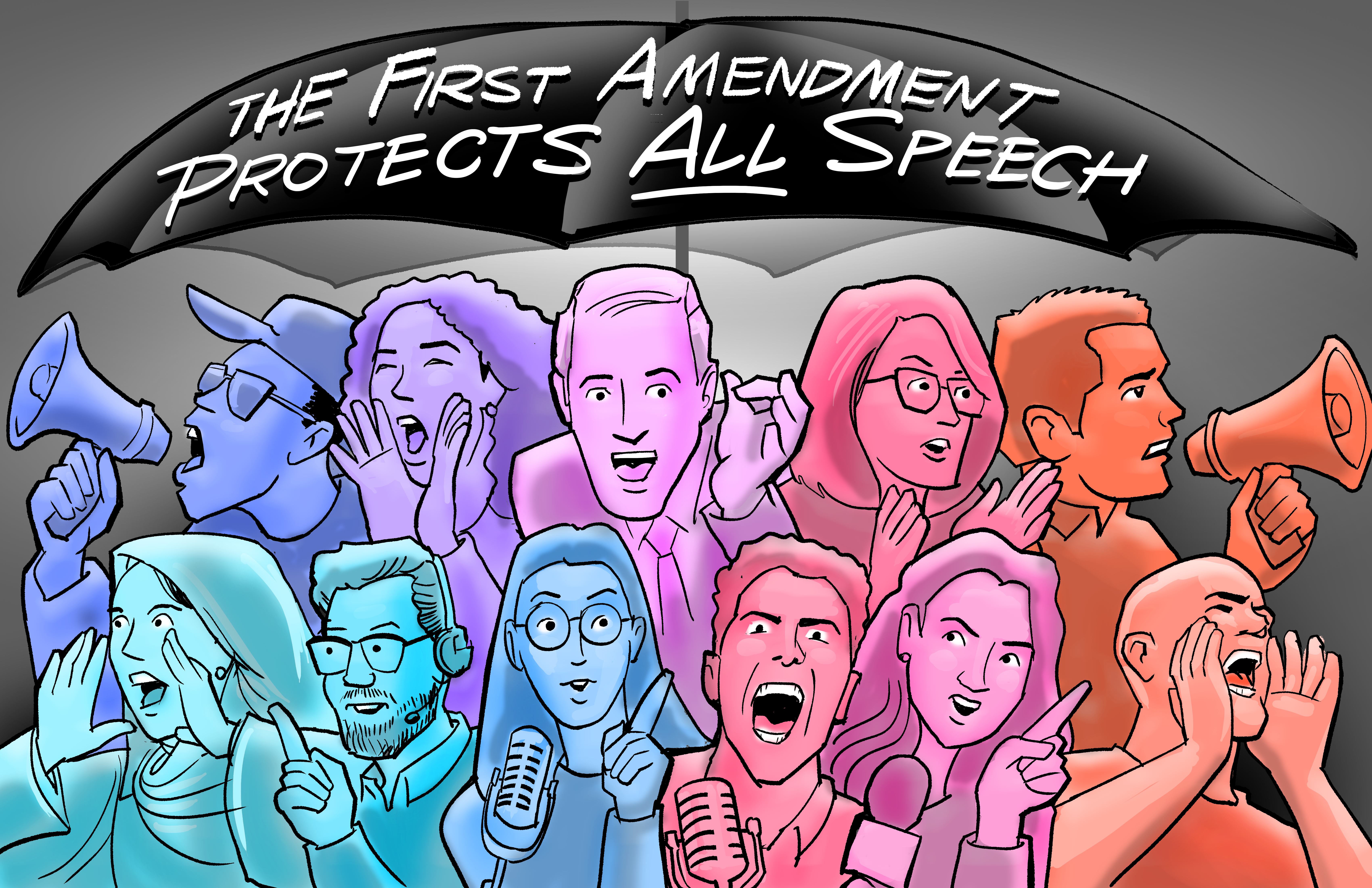
- First Amendment activity: Boycotts, protests, and criticism of utility costs linked to data centers—activities explicitly protected under U.S. Law.
Critics argue the report’s inclusion of boycotts and utility complaints as “indicators” of violence sets a dangerous precedent. “The line between protest and terrorism is being blurred,” Hetznecker said. “This could lead to heightened surveillance of lawful advocacy.”
Historical Context: Fusion Centers and Over-Policing
The DVIC is one of 78 fusion centers established nationwide after the 9/11 attacks to share intelligence between local, state, and federal agencies. However, these centers have repeatedly faced criticism for:
- Monitoring lawful protests (e.g., ACLU reports on surveillance of Black Lives Matter and pipeline opponents).
- Producing fearmongering reports with little evidence of actual threats. In 2010, Pennsylvania’s Department of Homeland Security issued a controversial report labeling anti-fracking activists as “extremists,” prompting an apology from then-Gov. Ed Rendell.
- Expanding definitions of “violent extremism” to include nonviolent dissent, as seen in the DVIC’s inclusion of boycotts and utility critiques.
The FBI’s definition of domestic violent extremism has also drawn scrutiny. While the bureau distinguishes between ideology and criminal intent, local fusion centers often apply the label broadly, as this report demonstrates.
Philadelphia’s Response and Civil Liberties Concerns
In response to queries from World Today Journal, the Philadelphia Police Department issued a statement clarifying its stance:
“The Delaware Valley Intelligence Center recognizes and respects the rights of individuals to lawfully express opinions, engage in peaceful advocacy, and participate in protected First Amendment activities. These assessments are designed to provide situational awareness, not to characterize lawful activity as criminal conduct.”
However, the report’s emphasis on “disruptive First Amendment activity” as a threat marker contradicts this assurance. Legal scholars warn that such language could justify expanded surveillance of critics, particularly in communities already under police scrutiny.
For example, the bulletin flags an Amazon data center proposed near Berwick, Pennsylvania, suggesting that online discussions about the project—including a Facebook meme about “sabotage”—could warrant police attention. No arrests or investigations have been linked to these posts.
Broader Trends: Anti-Tech Sentiment and Law Enforcement Scrutiny
The DVIC report is not an isolated incident. Other intelligence agencies have issued similar warnings in recent months:
- A Wired report from May 2026 detailed notices from U.S. Capitol Police and other centers labeling “anti-tech extremism” as an emerging threat.
- A Gallup poll released in April 2026 found that 70% of Americans oppose hosting AI data centers in their communities, reflecting widespread unease over the technology’s social and environmental impacts.
While opposition to data centers spans political divides—from environmentalists to tech skeptics—the DVIC report lumps critics together with white supremacists and “nihilistic violent extremists,” a category the FBI defines as individuals advocating for “the destruction of society.” The overlap raises questions about whether law enforcement is equating ideological opposition with criminal intent.
What Happens Next: Legal and Community Responses
Civil rights organizations are preparing to challenge the DVIC’s methods. The ACLU of Pennsylvania has announced plans to review the bulletin for potential violations of free speech laws. “If police are monitoring lawful criticism, that’s a direct assault on democracy,” said a spokesperson.
Meanwhile, Philadelphia’s Police Commissioner Kevin J. Bethel has emphasized community policing in recent statements, including a May 2026 address where he called for “strategic decisions” and “intentional partnerships” with local communities. Whether this commitment extends to critics of AI remains unclear.
Key Takeaways
- The DVIC’s report treats boycotts, protests, and utility complaints as potential “indicators” of violent extremism, despite these being protected under the First Amendment.
- No arrests or credible threats have resulted from the monitored activity, which includes memes, fictional references, and theoretical discussions.
- Philadelphia’s fusion center is part of a national network that has historically over-policed lawful dissent, including environmental and racial justice movements.
- Civil rights attorneys warn that the report could chill free speech and lead to disproportionate surveillance of marginalized communities.
- The Philadelphia Police Department has not provided evidence linking the monitored activity to actual criminal plots.
How to Get Involved
Residents concerned about surveillance of AI criticism can:
- Monitor local police activity via Philadelphia Police’s transparency portal.
- Contact the ACLU of Pennsylvania for legal support if targeted by law enforcement.
- Review the DVIC’s public records policy on the PPD website to request additional documents.
- Engage with community forums to amplify concerns about data center impacts without using inflammatory language.
Next Steps:
The ACLU expects to file a formal complaint with the U.S. Department of Justice by June 15, 2026, if the DVIC does not revise its reporting methods. The Philadelphia Police Department has not announced plans to update its intelligence assessments.
For updates, follow World Today Journal’s coverage of civil liberties and law enforcement accountability.
- Renowned Taiwan Attorney Chang Chun-lun Passes Away at 62: Legal Community Mourns
- Vic Deal & Denzel L. Jackson: NO TIREN La Mala Un Video
- Hezhou Police Crack Down on Illegal Street Racing by Youth Gangs (world-today-news.com)
- Microsoft Links CaptiveCrunch to Russian Threat Actor Midnight Blizzard (newsdirectory3.com)