
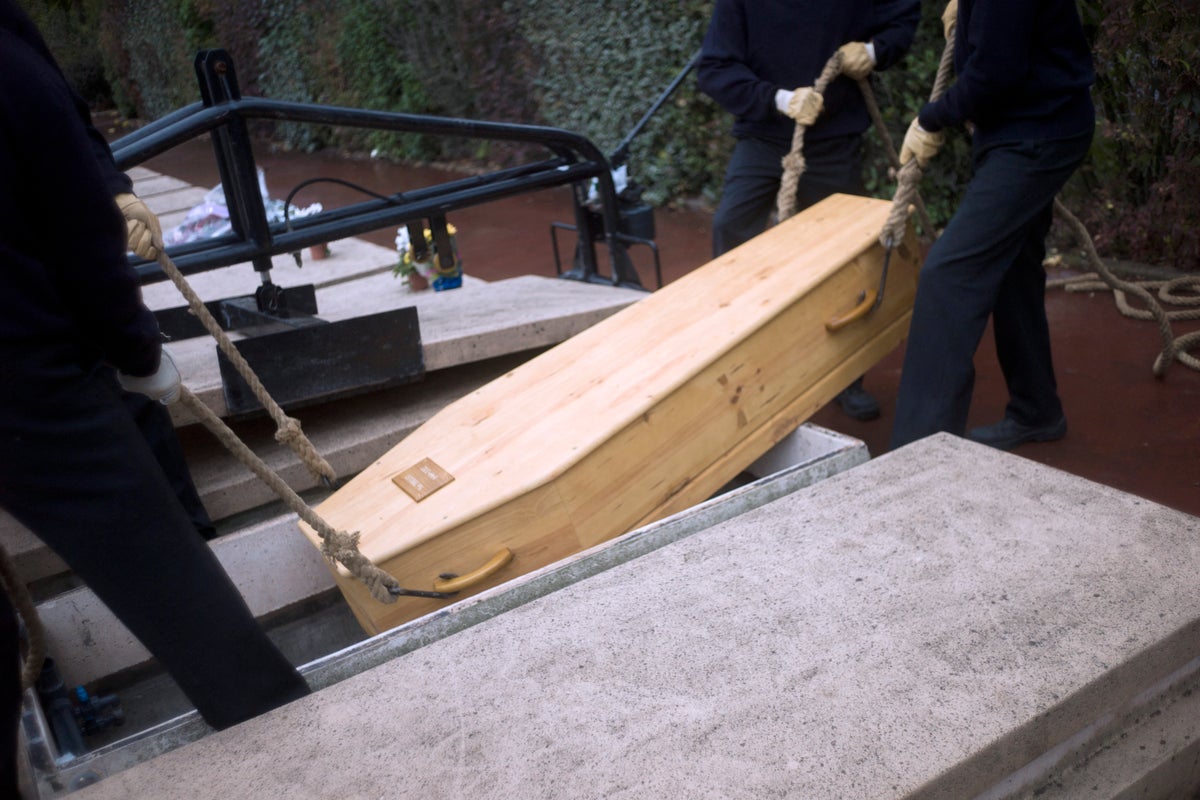
A grieving widow has initiated legal action against Washington Memorial Park in New York after her husband’s body fell from a casket during his funeral service. Zinule Nisha Ghanni filed the lawsuit alleging that the cemetery staff ignored clear signs of equipment failure regarding the mechanical casket lowering device, leading to a distressing incident that disrupted the burial ceremony.
The lawsuit, filed in a New York court, contends that the facility failed to ensure the safety and dignity of the interment process. According to the court filings, the mechanical device used to lower the casket into the grave malfunctioned, causing the casket to tip and the deceased to be displaced. The plaintiff asserts that the cemetery’s oversight and failure to maintain essential funeral equipment resulted in severe emotional distress.
Allegations of Equipment Negligence
At the center of the dispute is the maintenance and operation of the cemetery’s lowering equipment. The complaint specifies that the device showed signs of instability prior to the interment, yet staff proceeded with the service. Under New York State cemetery regulations, operators are required to maintain grounds and equipment to ensure the safe and respectful disposition of human remains. The lawsuit argues that the failure to address these mechanical warnings constitutes a breach of the duty of care owed to the bereaved family.
Legal experts note that cases involving the mishandling of remains often hinge on the concept of “negligent infliction of emotional distress.” In New York, plaintiffs must generally demonstrate that the defendant’s conduct was “so outrageous in character, and so extreme in degree, as to go beyond all possible bounds of decency,” as outlined in precedents set by the New York Court of Appeals regarding emotional harm.
Regulatory Oversight and Industry Standards
Cemeteries in New York are subject to oversight by the New York State Division of Cemeteries, which monitors compliance with the Not-for-Profit Corporation Law. While specific incidents of equipment failure are rare, the industry standard mandates rigorous testing of lowering devices before every service. The International Cemetery, Cremation and Funeral Association provides guidelines for the operation of such machinery, emphasizing that if a device shows signs of fatigue or mechanical hesitation, the burial should be delayed until the equipment is replaced or repaired.
The lawsuit claims that the emotional impact on the family was exacerbated by the public nature of the incident. In legal filings, the plaintiff describes the scene as a violation of the sanctity of the funeral rites. The cemetery’s legal representatives have not yet filed a formal response in the public record, and the facility has not released a public statement regarding the specific mechanical failures alleged in the complaint.
What Happens Next in the Litigation
The case is currently in the discovery phase, where both parties will exchange evidence, including maintenance logs for the lowering device and testimony from cemetery employees present on the day of the service. According to New York Unified Court System procedures, the parties may undergo mandatory settlement conferences before a trial date is scheduled. If a settlement is not reached, the matter will proceed to a jury trial to determine if the cemetery is liable for damages.

For families concerned about funeral home or cemetery conduct, the New York Department of State provides a formal portal for filing consumer complaints against licensed entities. These records are often used by the Division of Cemeteries to assess whether a facility requires additional inspections or disciplinary action. As this litigation progresses, it remains a significant test of how New York courts balance cemetery operational protocols with the rights of families to a dignified burial service.
Updates regarding the court’s scheduling and any potential motions to dismiss will be provided as they become available on the official court docket. Readers are encouraged to share their thoughts on the standards of care expected in the funeral industry in the comments section below.