New clinical data regarding an experimental Alzheimer’s drug has revealed a complex outcome: while the treatment successfully reduced levels of tau protein—a hallmark of neurodegeneration—in the brains of participants, its impact on cognitive decline remains nuanced. The findings, presented by researchers investigating novel therapeutic pathways for dementia, indicate that targeting tau may be a viable strategy, though the clinical results present a “surprise twist” regarding how those biological changes translate into preserved memory function.
As a physician, I have followed the evolution of Alzheimer’s research closely, and this latest development is particularly interesting because it shifts the focus from the traditional amyloid-beta hypothesis toward tau, a protein known to form toxic tangles within brain cells. According to data published in Nature Medicine, researchers are attempting to bridge the gap between biomarkers—indicators we can measure in the blood or cerebrospinal fluid—and the actual lived experience of patients suffering from cognitive impairment.
Understanding the Role of Tau in Alzheimer’s Disease
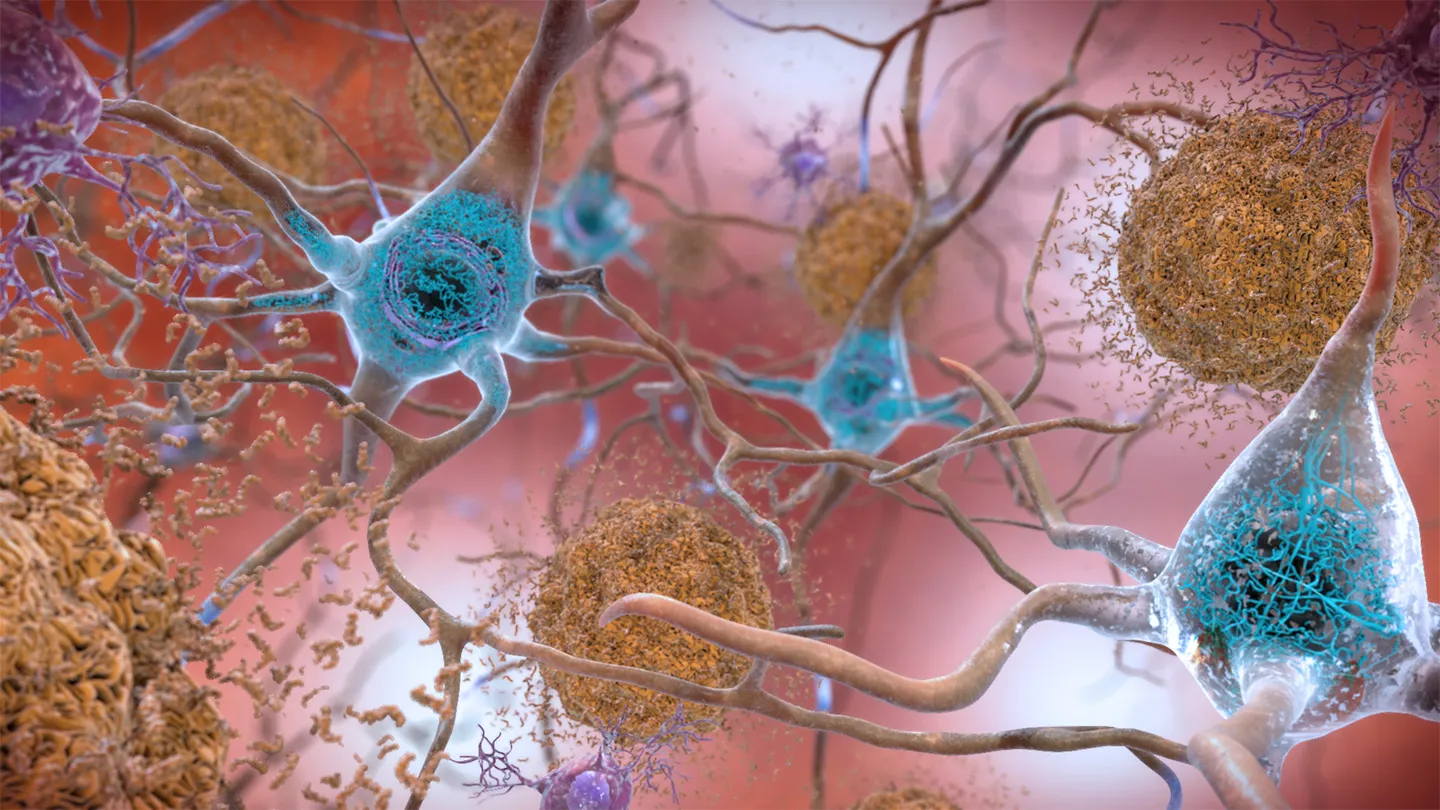
Alzheimer’s disease is characterized by two primary protein abnormalities: amyloid plaques, which build up between neurons, and tau tangles, which develop inside them. For decades, the pharmaceutical industry focused almost exclusively on clearing amyloid. However, as noted by the National Institute on Aging, tau pathology often correlates more closely with the severity of cognitive decline than amyloid burden does. By targeting tau, investigators hope to interrupt the progression of cell death directly.
The experimental drug, often categorized as an antisense oligonucleotide or a similar tau-targeting agent, functions by lowering the production of tau protein in the central nervous system. In recent trials, participants who received the active treatment showed a clear reduction in tau levels compared to those in the placebo group. This biological efficacy is a significant technical milestone, confirming that it is possible to modulate these proteins in human patients. Yet, the challenge lies in the timeline; brain tissue damaged by years of protein accumulation does not always repair itself immediately, even when the underlying process is slowed.
Clinical Trial Outcomes and the “Surprise Twist”
The “surprise twist” mentioned in early reports refers to the discrepancy between the clear biological success—the reduction of tau—and the mixed results in standard cognitive assessments. While some measures showed a slowing of memory loss, the effect was not uniform across all cognitive domains tested. This phenomenon is familiar to those in clinical neurology; there is often a “lag” between molecular improvement and symptomatic relief.
According to the Alzheimer’s Association, clinical trials for neurodegenerative diseases are notoriously difficult to design because memory loss is a slow, progressive process. If a drug is administered late in the disease course, it may be too late to reverse significant synaptic loss. Researchers are now analyzing whether the drug’s failure to show a uniform cognitive benefit is due to the dosage, the timing of intervention, or the inherent complexity of the disease itself.
What This Means for Future Alzheimer’s Therapy
For patients and their families, the primary question is whether this drug will reach the market or lead to a new standard of care. At present, the data does not suggest an immediate clinical breakthrough. Instead, it serves as a “proof of concept” that tau-targeting therapies are biologically active. This aligns with current shifts in medical innovation toward combination therapies, where clinicians might eventually use a cocktail of drugs to address both amyloid and tau simultaneously.
The next checkpoint for this research will be the release of long-term follow-up data, which is expected to clarify whether the initial reduction in tau leads to a durable, long-term preservation of function. The ClinicalTrials.gov registry remains the most reliable source for updates on the next phases of these specific trials, as it tracks the official status of ongoing studies and their scheduled completion dates. As we look ahead, the medical community will continue to monitor these trials to see if early biological changes can be successfully translated into meaningful improvements in the quality of life for those living with Alzheimer’s.
If you or a loved one are interested in participating in research or learning more about the current landscape of dementia treatment, I encourage you to consult with your neurologist or visit your national health authority’s official portal. I welcome your thoughts on this evolving field; please share your questions or perspectives in the comments below.
Keep reading