
Recent clinical research suggests that maintaining a consistent sleep schedule and addressing nocturnal breathing disturbances are critical factors in reducing the risk of stroke. Medical data increasingly points to the correlation between chronic sleep deprivation, irregular sleep patterns, and the onset of cardiovascular events, including ischemic strokes.
As a physician, I frequently emphasize that the hours spent in rest are not merely passive; they are a period of intense physiological regulation. When this process is interrupted by specific habits or underlying conditions, the body’s vascular system faces significant stress. Understanding these risks is essential for long-term health management and stroke prevention strategies, as outlined by global health authorities like the World Health Organization (WHO).
The Impact of Sleep Quality on Vascular Health
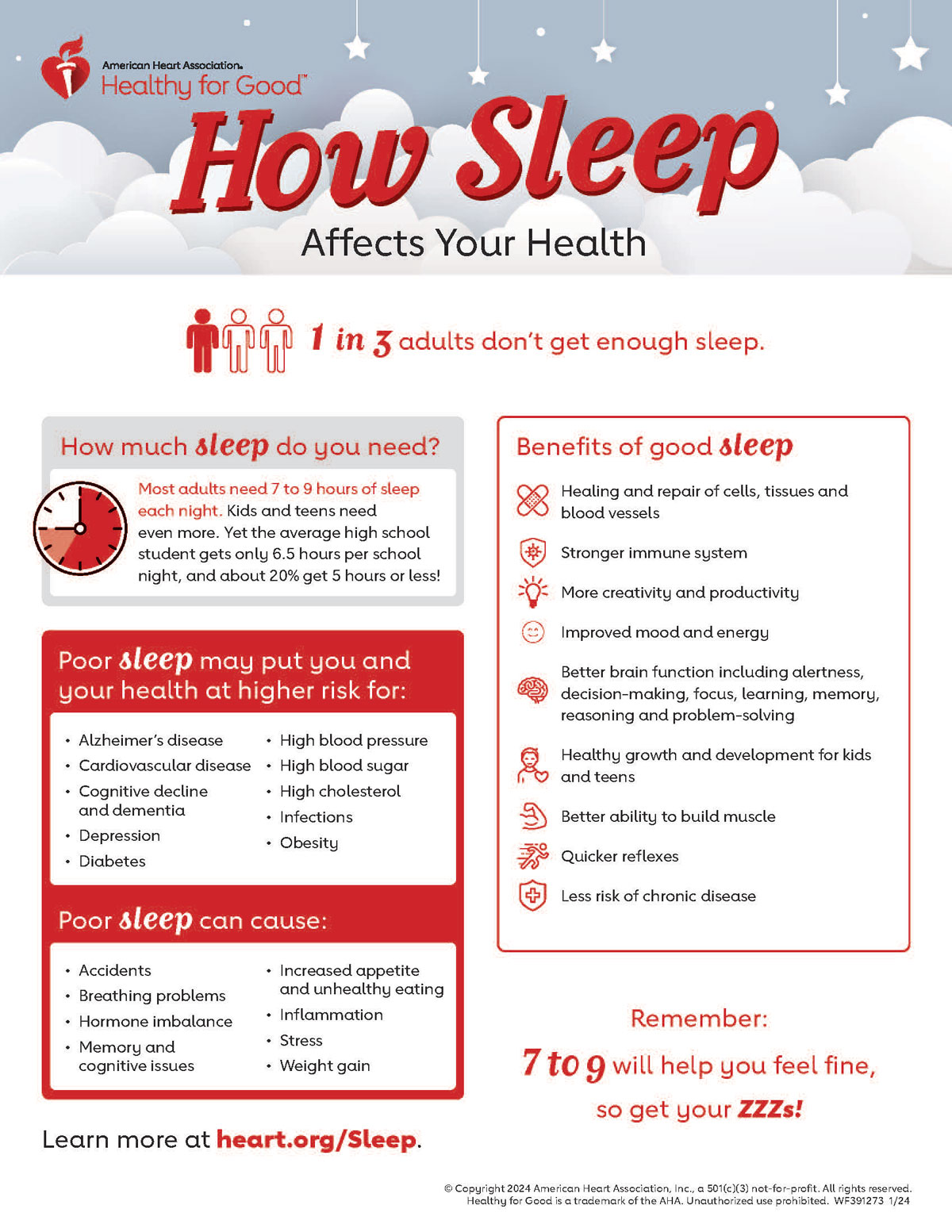
Sleep is a vital period for the regulation of blood pressure and the maintenance of arterial health. According to the American Heart Association, poor sleep quality—defined by both duration and continuity—is independently associated with a higher risk of developing hypertension, a primary precursor to stroke. When sleep is consistently fragmented, the body’s sympathetic nervous system remains in a state of heightened arousal, preventing the necessary drop in blood pressure that should naturally occur overnight.
This “non-dipping” blood pressure profile is a known clinical risk factor. During normal sleep, blood pressure typically falls by 10% to 20%. Patients who do not experience this dip are at a significantly higher risk for target-organ damage, including the brain’s delicate microvasculature. Research published in the journal Stroke indicates that individuals with chronic sleep disturbances show higher levels of systemic inflammation, which can accelerate atherosclerosis, the narrowing of arteries that often leads to stroke.
Obstructive Sleep Apnea and Stroke Risk
Perhaps the most significant nocturnal factor linked to stroke is Obstructive Sleep Apnea (OSA). OSA occurs when the airway is repeatedly blocked during sleep, causing pauses in breathing that lead to drops in blood oxygen levels and surges in carbon dioxide. The National Heart, Lung, and Blood Institute identifies OSA as a major contributor to cardiovascular strain, as the repeated cycle of oxygen deprivation forces the heart to work harder and induces sudden spikes in blood pressure.

These fluctuations place acute stress on the carotid arteries and the intracranial vessels. For many patients, the condition remains undiagnosed. Symptoms such as loud snoring, morning headaches, and excessive daytime sleepiness are common indicators that warrant a clinical evaluation. Diagnosis usually involves a polysomnography—a formal sleep study—which allows physicians to monitor oxygen saturation, heart rate, and respiratory effort throughout the night.
Lifestyle Factors and Preventative Measures
Beyond clinical conditions like apnea, lifestyle habits significantly influence nocturnal health. Late-night consumption of heavy meals, alcohol, and the use of electronic devices before bed are common culprits that disrupt circadian rhythms. Alcohol, while often perceived as a sedative, actually fragments sleep architecture and prevents the body from reaching the restorative stages of REM sleep, as noted in guidelines from the Sleep Foundation.
To mitigate these risks, medical professionals recommend the following strategies:
- Maintain a Consistent Schedule: Going to bed and waking up at the same time every day stabilizes the circadian rhythm.
- Screen for Sleep Disorders: If you suspect you have sleep apnea, consult a primary care physician for a referral to a sleep specialist.
- Optimize the Environment: Ensure the bedroom is dark, quiet, and cool to facilitate deep, uninterrupted sleep.
- Limit Pre-Sleep Stimulants: Avoid caffeine and alcohol for at least four to six hours before bedtime.
What Happens Next in Stroke Prevention Research
The medical community is moving toward more personalized approaches to sleep health. Future research is focusing on how wearable technology can help clinicians track nocturnal blood pressure and oxygen patterns in real-time, allowing for earlier intervention before a stroke occurs. Current clinical trials are investigating the long-term impact of CPAP therapy—the standard treatment for OSA—on the prevention of secondary strokes in high-risk patients.
Patients are encouraged to discuss any concerns regarding their sleep quality or family history of stroke during their next annual physical. By proactively addressing nocturnal health, individuals can significantly reduce their risk profile. For those seeking standardized information on cardiovascular health, the Centers for Disease Control and Prevention (CDC) provides comprehensive resources on recognizing the warning signs of a stroke and the importance of timely medical intervention.
If you found this overview helpful, please share it with your network to raise awareness about the importance of sleep hygiene. We invite readers to engage with us in the comments section below regarding their experiences with managing sleep health or to suggest topics for our next medical deep-dive.