Malaysia presents a complex intersection of Southeast Asian cultures, defined by its strategic position between Thailand and Indonesia and a demographic landscape shaped by centuries of trade. The nation functions as a pluralistic society where indigenous Malay traditions, Chinese heritage, and Indian influence converge, creating a distinct socio-political and culinary identity. According to the Department of Statistics Malaysia, the country maintains a multi-ethnic framework that significantly influences its governance, economic development, and international tourism sector.
For travelers and geopolitical observers alike, the “Malaysian experience” is rarely singular. The country is geographically divided into Peninsular Malaysia and East Malaysia (Sabah and Sarawak on the island of Borneo), separated by the South China Sea. This physical separation mirrors the nation’s diverse regional development, with the western peninsula serving as the primary hub for international commerce and urban growth, while the eastern states retain distinct ecological and cultural profiles rooted in indigenous history.
The Foundations of a Pluralistic Society
Malaysia’s cultural fabric is codified through its demographic composition, which influences both daily life and national policy. The government officially classifies the population into three primary ethnic groups: the Bumiputera (including the Malay majority and indigenous peoples), the Chinese, and the Indians. Data from the World Bank indicates that this ethnic diversity is a central pillar of the nation’s social contract, often managed through policies designed to ensure equitable representation across economic sectors.
This diversity is not merely demographic; it is reflected in the constitutional recognition of Islam as the official religion, while simultaneously guaranteeing the freedom to practice other faiths. This balance is a frequent subject of study in international relations, as the nation navigates the complexities of maintaining a secular legal framework alongside a significant religious identity. The interplay between these groups remains a defining feature of Malaysian public life, influencing everything from local governance to national holiday celebrations.
Culinary Diplomacy and Cultural Synthesis
Malaysian gastronomy serves as an accessible entry point for understanding the nation’s history of migration and trade. The cuisine is a synthesis of Malay, Chinese, and Indian cooking techniques, often described by food historians as a “living archive” of the region’s historical trade routes. Signature dishes, such as Nasi Lemak—often cited as the national dish—feature coconut milk-infused rice paired with sambal, reflecting local agricultural abundance, while the prevalence of hawker centers showcases the urban integration of diverse immigrant traditions.
The culinary landscape also varies significantly by region. In Penang, for instance, the synthesis of Peranakan (Straits Chinese) culture has resulted in a specific style of cooking that blends Chinese ingredients with local Malay spices. According to the Ministry of Tourism, Arts and Culture, this food heritage is a primary driver of the country’s tourism economy, attracting millions of visitors who seek to engage with the nation’s cultural history through its dining culture.
Economic and Geographic Realities
Beyond its cultural appeal, Malaysia occupies a vital position in the global supply chain, particularly in the semiconductor and electronics sectors. The country’s economic trajectory has shifted from a reliance on commodity exports like rubber and palm oil to a more diversified industrial base. The Malaysian Investment Development Authority reports that the nation continues to prioritize foreign direct investment to maintain its competitive edge within the Association of Southeast Asian Nations (ASEAN) bloc.
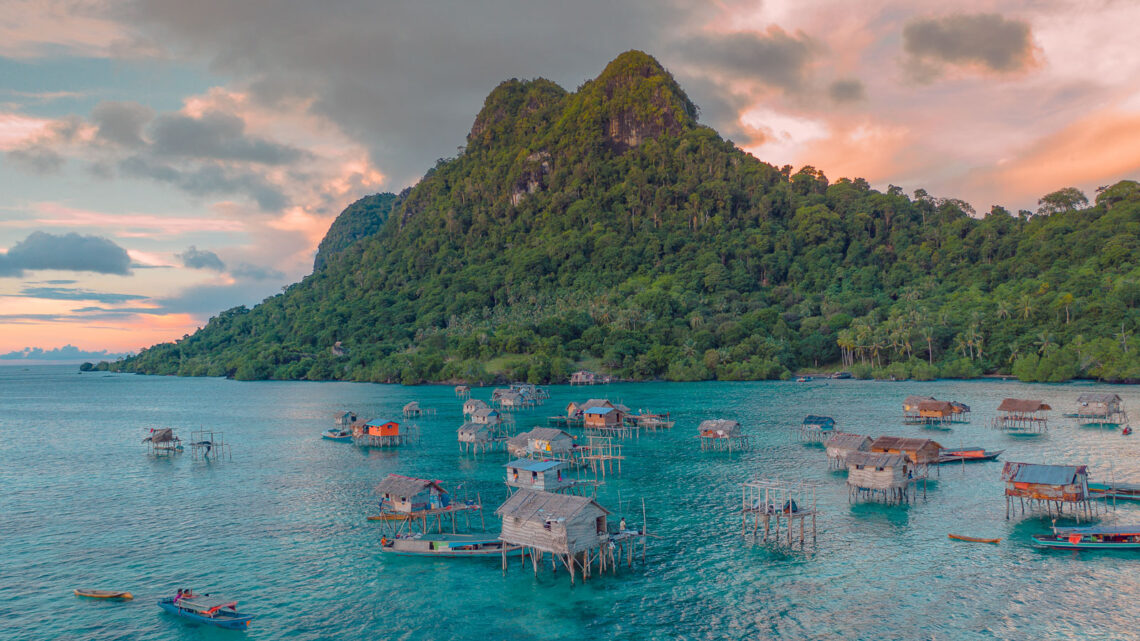
The geographic split between the peninsula and Borneo remains a point of focus for infrastructure development. While the peninsula is characterized by dense urban corridors like the Klang Valley, the states of Sabah and Sarawak are increasingly emphasizing sustainable development and the preservation of biodiversity. This dual-focus approach attempts to balance industrial growth with the environmental protections necessary for the region’s unique tropical ecosystems.
Looking Ahead: National Policy and Integration
The next major milestone for Malaysia involves the implementation of the 12th Malaysia Plan, a comprehensive policy framework aimed at achieving sustainable economic growth and social inclusion through 2025. This plan focuses on digital transformation, energy transition, and improving the efficiency of public service delivery. The government is expected to provide ongoing updates on these targets through the Economic Planning Unit.
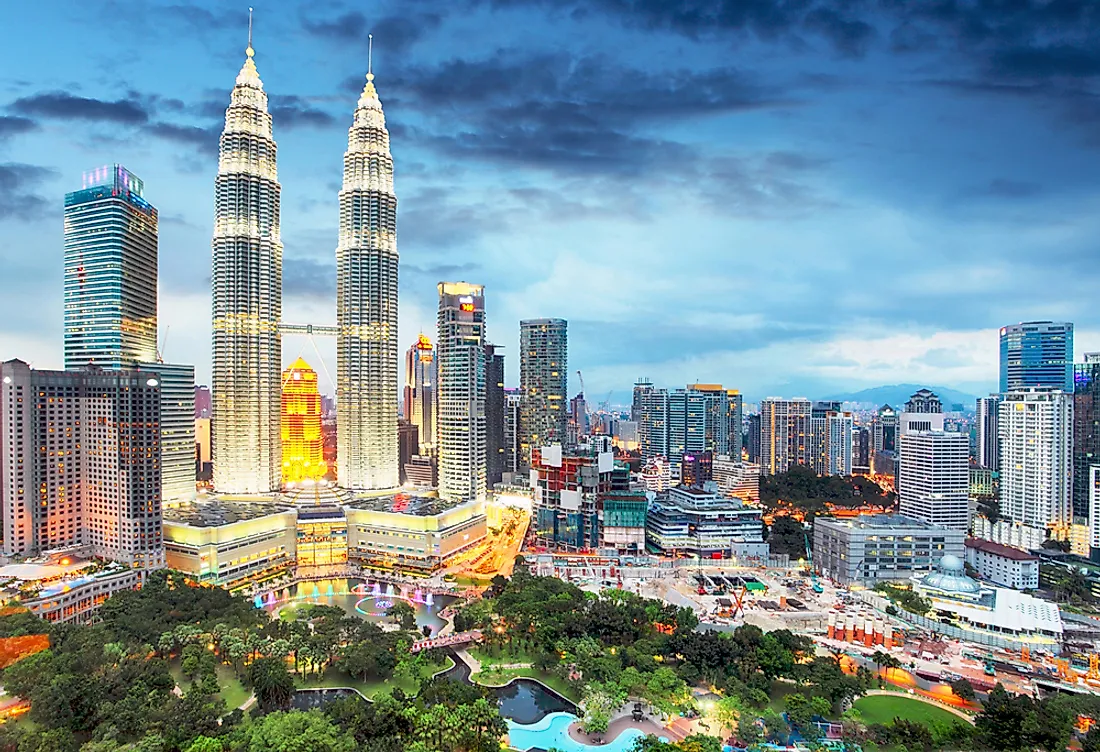
As Malaysia continues to navigate the challenges of a globalized economy, its ability to leverage its cultural diversity as a source of social cohesion rather than division remains the central question for its future. For those interested in tracking these developments, official government portals provide the most accurate data on legislative changes and economic reports. We encourage our readers to share their perspectives on how cultural integration shapes national identity in the comments section below.
Related reading