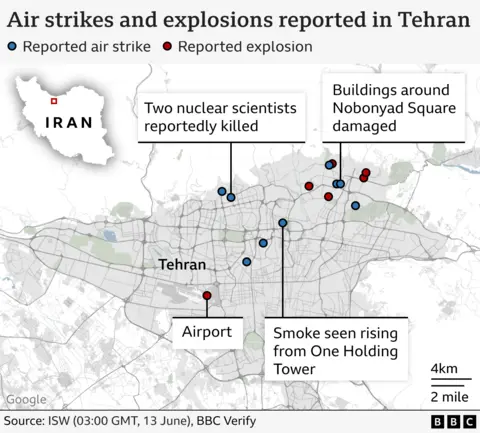
Explosions were reported across multiple locations in Iran early Saturday morning, according to statements from the Iranian military and regional observers. The incidents occurred amid heightened regional tensions, prompting immediate scrutiny from international monitors and defense officials regarding the origin and nature of the blasts.
Reports of Explosions in Tehran and Military Sites
Residents in the Iranian capital, Tehran, reported hearing a series of loud blasts during the early hours of Saturday. According to reports from Reuters, these sounds were concentrated in the vicinity of the city, with state-affiliated media later confirming that military sites near the capital were targeted. The Iranian military stated that its air defense systems were activated in response to these events, though official assessments regarding the extent of potential damage remain ongoing.

The Iranian army confirmed that two of its soldiers were killed during the defensive operations, as reported by the Associated Press. These fatalities occurred while the nation’s air defense network engaged incoming aerial threats. Iranian officials have since characterized the strikes as an act of aggression, while emphasizing that the country retains the right to respond to such actions under the framework of international law.
Regional Context and Military Response
The Israeli military confirmed it conducted “precise strikes” on military targets within Iran, labeling the operation a response to months of continuous attacks from the Iranian regime and its proxies, according to the Financial Times. The strikes reportedly targeted missile manufacturing facilities and surface-to-air missile arrays, which Israel identified as components of a broader threat to its national security.
This development follows a period of escalating volatility in the Middle East, characterized by direct exchanges between the two nations. In April 2024, Iran launched a large-scale drone and missile attack against Israel, which was largely intercepted by Israeli defenses and regional partners. The events of this weekend represent a significant shift in the operational tempo of the ongoing regional conflict, moving from proxy-based friction to more direct, state-on-state military engagement.
Operational Impact and Public Safety
Following the explosions, Iranian authorities temporarily restricted civil aviation, though officials stated that standard flight operations were expected to resume shortly after the initial defensive posture was relaxed. The Iran Civil Aviation Organization announced the suspension of all flights across the country’s airspace as a precautionary measure during the early hours of the operation, according to BBC News.

The international community has closely monitored the situation, with various governments urging restraint to prevent a wider regional conflict. The United States, through the White House, indicated that it was aware of the strikes and noted that they were described as “self-defense” measures by the Israeli government. Analysts suggest that the scale and scope of the response are critical factors that will determine the trajectory of the situation in the coming days.
Next Steps and Monitoring
The immediate situation remains fluid as damage assessments continue across the affected military sites in Iran. The next confirmed checkpoint for this event involves the publication of official post-operation reports by both the Iranian and Israeli defense ministries, which are expected to provide further clarity on the number of facilities impacted and the specific nature of the munitions used. International observers continue to monitor the border regions and diplomatic channels for signs of further escalation or potential de-escalation efforts.
We will continue to update this page as more verified information becomes available from official military and government sources. Readers are encouraged to share this report and engage with our ongoing coverage of regional security developments.
Keep reading