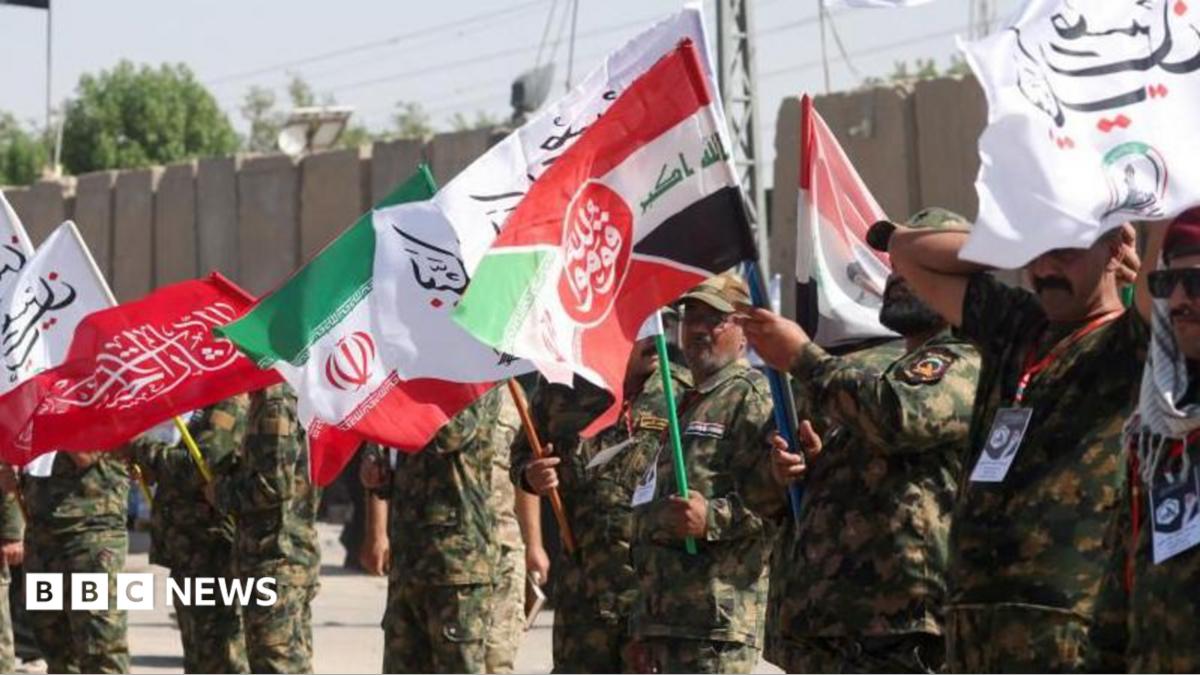
Military facilities across Iran were targeted in a series of overnight strikes, an operation the United States military confirmed as a response to escalating regional tensions. The coordinated action follows reports of explosions heard in multiple Iranian cities, occurring shortly after neighboring Gulf states observed heightened military activity in the region.
According to an official statement from the U.S. Department of Defense, the strikes were precision-guided operations aimed at degrading the capabilities of specific military infrastructure, including radar installations and air defense systems. The Pentagon emphasized that the mission was designed to minimize collateral damage while ensuring the neutralization of threats posed to regional stability and U.S. personnel stationed nearby.
Regional Impact and the Scope of the Strikes
The strikes, which took place in the early hours of the morning, were reported by local residents in cities including Tehran and Karaj, where heavy blasts were documented. International observers and regional governments, including those in the Gulf Cooperation Council, have been monitoring the situation closely as the risk of wider conflict remains a primary concern for global security analysts, as noted in reports from Reuters.

While the U.S. has described the operation as a “limited and proportionate” response to recent provocations, Iranian state media initially characterized the incidents as the result of successful air defense interceptions. However, the discrepancy between official claims of total interception and the visible damage reported on the ground suggests a more significant operational outcome. The White House has maintained that the U.S. does not seek an escalation into a full-scale regional war but remains committed to protecting its interests and those of its allies.
Geopolitical Context and Security Implications
This escalation occurs against a backdrop of prolonged friction between Tehran and Washington. The deployment of U.S. assets to the region has been a point of contention for months, with both sides accusing the other of violating international maritime and territorial norms. The current military engagement represents the most significant overt action taken by the U.S. against Iranian soil in recent years.
For civilians and foreign nationals in the area, the situation remains fluid. Many governments have updated their travel advisories, urging citizens to exercise extreme caution and avoid areas near military or government installations. The U.S. State Department continues to provide real-time updates for those in the affected regions, emphasizing that the security environment is subject to sudden changes as the situation develops on the ground.
Next Diplomatic and Military Checkpoints
The international community is now waiting for the next phase of the crisis. Diplomats at the United Nations are expected to convene an emergency session to discuss the implications of the strikes and the potential for a diplomatic off-ramp. Meanwhile, military analysts are watching for signs of a counter-response, which could involve proxy groups or further asymmetric actions in the maritime domain.

The next confirmed checkpoint for this developing story will be the release of official damage assessments from both the Pentagon and the Iranian Ministry of Defense, which are expected within the next 48 to 72 hours. As the situation evolves, we will continue to monitor official statements and verified reports to provide an accurate picture of the ongoing developments. We invite our readers to share their perspectives and stay informed through our live updates as more information becomes available.
Worth a look
- Baseball vs. Soccer: A Perspective from America
- Syria Seizes Hezbollah Weapons Shipment Hidden in Oil Tanker
- CDC Reports Significant Decline in U.S. Healthcare-Associated Infections (archynewsy.com)
- Taiwan’s Young Politician with High Social Media Following Promotes Antioxidant-Rich Green Tea (newsdirectory3.com)