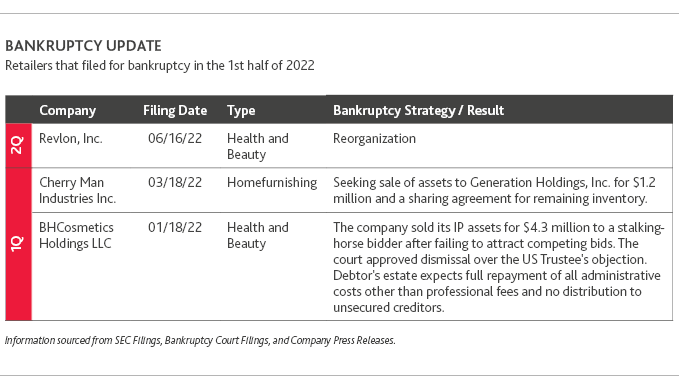
In June 2022, Russia experienced a significant shift in its international financial standing when it defaulted on its foreign-currency sovereign debt for the first time since 1917. This event, which marked a historic milestone in global capital markets, followed a series of complex geopolitical tensions and the implementation of restrictive international sanctions that hampered the nation’s ability to process payments to foreign creditors. According to Reuters, the default occurred after a grace period for interest payments on two specific bonds expired at the end of that month, leaving investors unable to receive their dues despite the availability of funds within the Russian treasury.
For many observers, the term “sovereign default” carries the weight of economic isolation and long-term consequences for a nation’s creditworthiness. As an editor who has spent over 14 years covering the intersection of geopolitics and global finance, I have seen how such milestones shape the trajectory of international investment. The 2022 default was not a result of a lack of capital, but rather the consequence of a fractured financial infrastructure that prevented the transfer of funds through traditional clearinghouses. This distinction remains central to understanding the modern realities of international debt obligations.
Understanding the Mechanics of a Sovereign Default
A sovereign default occurs when a national government fails to meet its debt obligations—either interest or principal payments—to its creditors. In the case of the Russian Federation in 2022, the situation was unique because the country maintained the fiscal capacity to pay its debts. However, the international financial system, including major institutions and payment intermediaries, faced significant hurdles due to sanctions imposed following the invasion of Ukraine. As noted by the U.S. Department of the Treasury, these measures were designed to restrict the Russian state’s access to global capital markets and disrupt its ability to utilize Western financial channels.

The inability to complete these transactions effectively locked the government out of the international bond market. When investors are unable to receive their contractual payments, the rating agencies and the broader financial community categorize the event as a default. This creates a ripple effect, impacting the interest rates at which the nation can borrow in the future and complicating its relationships with global financial institutions. The 2022 incident served as a stark reminder that even in an era of digital, instantaneous finance, the integrity of debt payments relies heavily on the stability of the intermediary network.
Historical Context: From 1917 to the Modern Era
The last time Russia defaulted on its foreign debt was in the wake of the 1917 Bolshevik Revolution, when the new government repudiated the debts incurred by the Russian Empire. That event was a fundamental shift in the global order, signaling a complete break from the past regime’s financial liabilities. Comparing the 2022 situation to 1917 provides a useful, if stark, contrast. While the 1917 default was an ideological and total rejection of debt, the 2022 default was a technical failure induced by the mechanics of international economic warfare.
The International Monetary Fund (IMF) defines sovereign debt management as a critical component of national stability. When a country finds itself on the wrong side of these management protocols, the consequences are felt by institutional investors, pension funds, and private citizens holding government securities globally. The 2022 event highlighted the vulnerability of global portfolios that had exposure to emerging market sovereign debt during times of extreme geopolitical volatility.
The Human and Economic Impact
Beyond the dry terminology of bond yields and clearinghouse failures, the impact of a sovereign default is felt by the broader economy. When a state defaults, it often loses its ability to raise capital at reasonable rates, which can lead to a contraction in public spending and a devaluation of the national currency. In the months following the 2022 event, the Russian government moved to restructure its domestic debt and shift its focus toward internal funding mechanisms, acknowledging that the path back to international capital markets would be long and arduous.
For the average investor, the lessons from 2022 are clear: diversification is the only hedge against systemic geopolitical risk. The volatility seen in the bond markets during that period underscored the importance of understanding the legal and institutional framework underlying any sovereign investment. As global markets continue to evolve, the necessity for transparency and the robust enforcement of payment mechanisms remains a priority for international financial regulators.
Key Considerations for Global Investors
- Sanctions Compliance: Investors must stay updated on evolving sanctions lists, as these can directly impact the legality and technical feasibility of receiving payments from sovereign entities.
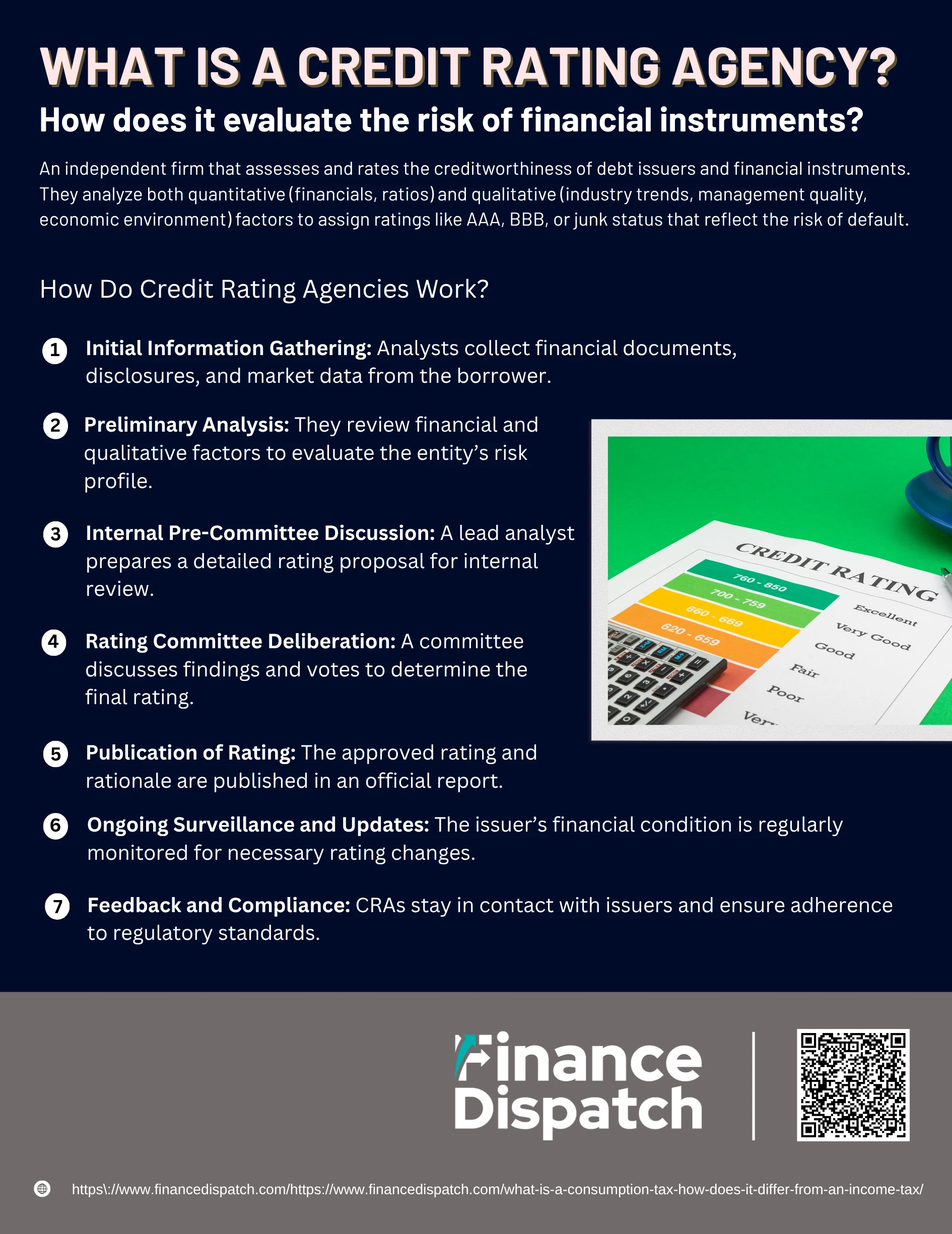
- Credit Rating Agency Assessments: Monitoring the reports from firms like Moody’s, S&P, and Fitch provides essential, albeit lagging, indicators of a nation’s financial health and default risk.
- Contractual Protections: Understanding the specific “force majeure” or “payment impossibility” clauses in sovereign bond prospectuses is critical for navigating future defaults.
As we look toward the future, the global financial community remains vigilant. The 2022 default stands as a landmark case study in the risks of integrating sovereign debt into a globalized, yet politically fragile, financial system. We encourage our readers to continue monitoring the official statements from the World Bank’s Debt Portal for updates on global sovereign debt trends and to share their thoughts on how these shifts might impact their own investment strategies in the comments section below.
Keep reading