
Heat cramps serve as an early clinical warning sign of heat-related illness, signaling that the body’s thermoregulatory system is under significant stress. Medical professionals advise that recognizing these involuntary muscle spasms is critical to preventing the progression toward more severe conditions, such as heat exhaustion or life-threatening heatstroke. As global temperatures continue to fluctuate, individuals with pre-existing conditions—particularly those managing cardiovascular disease, diabetes, or chronic kidney issues—face a heightened risk of complications during periods of extreme heat, according to guidance from the World Health Organization.
The physiological response to high ambient temperatures often begins with mild symptoms that many people dismiss as temporary discomfort. However, clinical data indicates that when the body struggles to dissipate heat, electrolyte imbalances and dehydration occur rapidly. According to the U.S. Centers for Disease Control and Prevention (CDC), heat cramps typically manifest as painful, involuntary muscle contractions, usually in the legs, arms, or abdomen, occurring during or after intense physical activity in hot environments.
Recognizing the Progression of Heat Illness
Heat-related illnesses exist on a spectrum, beginning with heat cramps and potentially escalating to heat exhaustion and heatstroke. Heat exhaustion symptoms often include heavy sweating, rapid pulse, dizziness, fatigue, and nausea. If these symptoms are not addressed by moving to a cooler environment and rehydrating, the body may lose its ability to regulate temperature, leading to heatstroke—a medical emergency characterized by a body temperature exceeding 40°C (104°F) and altered mental status, as reported by the Mayo Clinic.

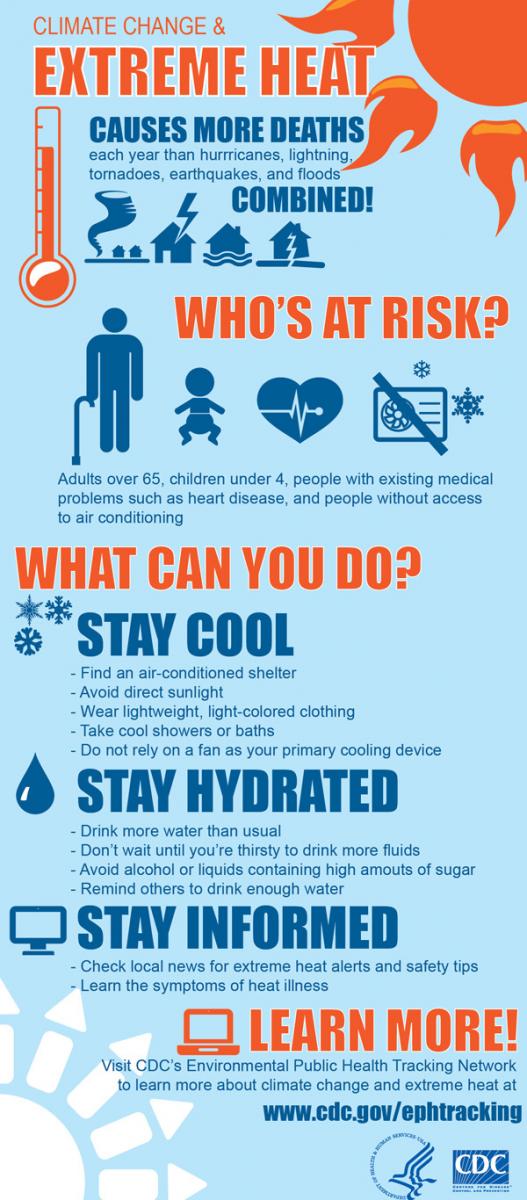
Clinical experts emphasize that the elderly and those with chronic health conditions are particularly vulnerable. For patients with cardiovascular disease, the heart must work harder to cool the body, which can strain the circulatory system. Similarly, individuals with diabetes may have impaired thermoregulation or peripheral neuropathy that masks the early sensations of heat stress. Patients with kidney disease are at added risk due to the potential for dehydration to exacerbate renal function decline, necessitating strict adherence to fluid management plans provided by their primary physicians.
Safe Practices During Extreme Weather
Preventing heat-related illness requires proactive adjustments to daily routines. Public health authorities recommend avoiding strenuous outdoor exercise during the peak heat hours of the day, typically between 10 a.m. and 4 p.m. When physical activity is necessary, acclimatization—gradually increasing exposure to heat over several days—can improve the body’s efficiency in sweating and cooling.

Hydration strategies should focus on water and electrolyte-replenishing fluids rather than sugary or caffeinated beverages, which can contribute to dehydration. While many people turn to rapid cooling methods, medical guidelines warn against extreme measures, such as ice baths for individuals who are not under medical supervision, as sudden temperature drops can cause shivering or cardiovascular shock. Instead, using cool, damp cloths or taking a lukewarm shower is generally recommended to lower body temperature safely.
Vulnerable Populations and Risk Mitigation
Certain demographic groups require heightened vigilance during heatwaves. According to the National Oceanic and Atmospheric Administration (NOAA), the increasing frequency of extreme heat events globally necessitates a more robust public health response focused on community outreach for the elderly and those living in urban heat islands. Urban areas often retain heat longer than rural environments due to concrete and asphalt infrastructure, exacerbating nighttime temperatures and preventing the body from recovering from daytime heat exposure.
For those managing chronic conditions, the following precautions are essential:

- Monitor local heat advisories and follow guidance from municipal health departments.
- Consult with a healthcare provider regarding medication adjustments, as some drugs—including diuretics and beta-blockers—can affect the body’s ability to stay hydrated or regulate temperature.
- Maintain access to air-conditioned environments or public cooling centers during the hottest periods of the day.
- Stay connected with neighbors or family members who may be at higher risk of social isolation during heatwaves.
As the summer season progresses, regional health authorities will continue to issue specific advisories based on local meteorological data. Residents are encouraged to monitor updates from their national meteorological services and public health portals for real-time safety information and the location of designated cooling stations. Public awareness remains the most effective tool in reducing the incidence of heat-related hospitalizations.
If you have experienced symptoms of heat stress or would like to share your experiences with local heat mitigation efforts, please feel free to contribute to the discussion in the comments section below. Your input helps our community better understand the practical challenges of staying safe during extreme weather events.