
As temperatures across South Asia continue to reach record-breaking levels, the human cost of extreme weather is increasingly being borne by the region’s vast informal labor sector. For millions of gig workers, the climate crisis is not an abstract future threat but a daily, physical struggle that begins before the workday even starts. In cities like Delhi, where the urban heat island effect exacerbates already high ambient temperatures, the struggle to remain productive—and safe—has become a defining challenge of the modern gig economy.
The daily reality for many delivery riders involves navigating traffic under a relentless sun, often with little access to shade, cooling stations, or medical support. Public health experts warn that prolonged exposure to such conditions, coupled with inadequate recovery time in overcrowded urban housing, creates a cycle of chronic exhaustion and heat-related illness. According to the World Health Organization, climate change is directly impacting the health of workers, with heat stress leading to increased risks of heat exhaustion and heatstroke for those performing heavy physical labor in outdoor environments.
The Daily Grind Under a Relentless Sun
The gig economy model, which often relies on independent contractors to provide rapid delivery services, places immense pressure on individuals to maintain high performance metrics regardless of environmental conditions. For a 24-year-old delivery worker in Delhi, the shift often spans 12 hours, characterized by constant movement between air-conditioned retail spaces and the sweltering heat of the streets. The lack of standardized occupational safety protections for informal workers means that when the mercury rises, the burden of managing heat risks falls almost entirely on the individual.
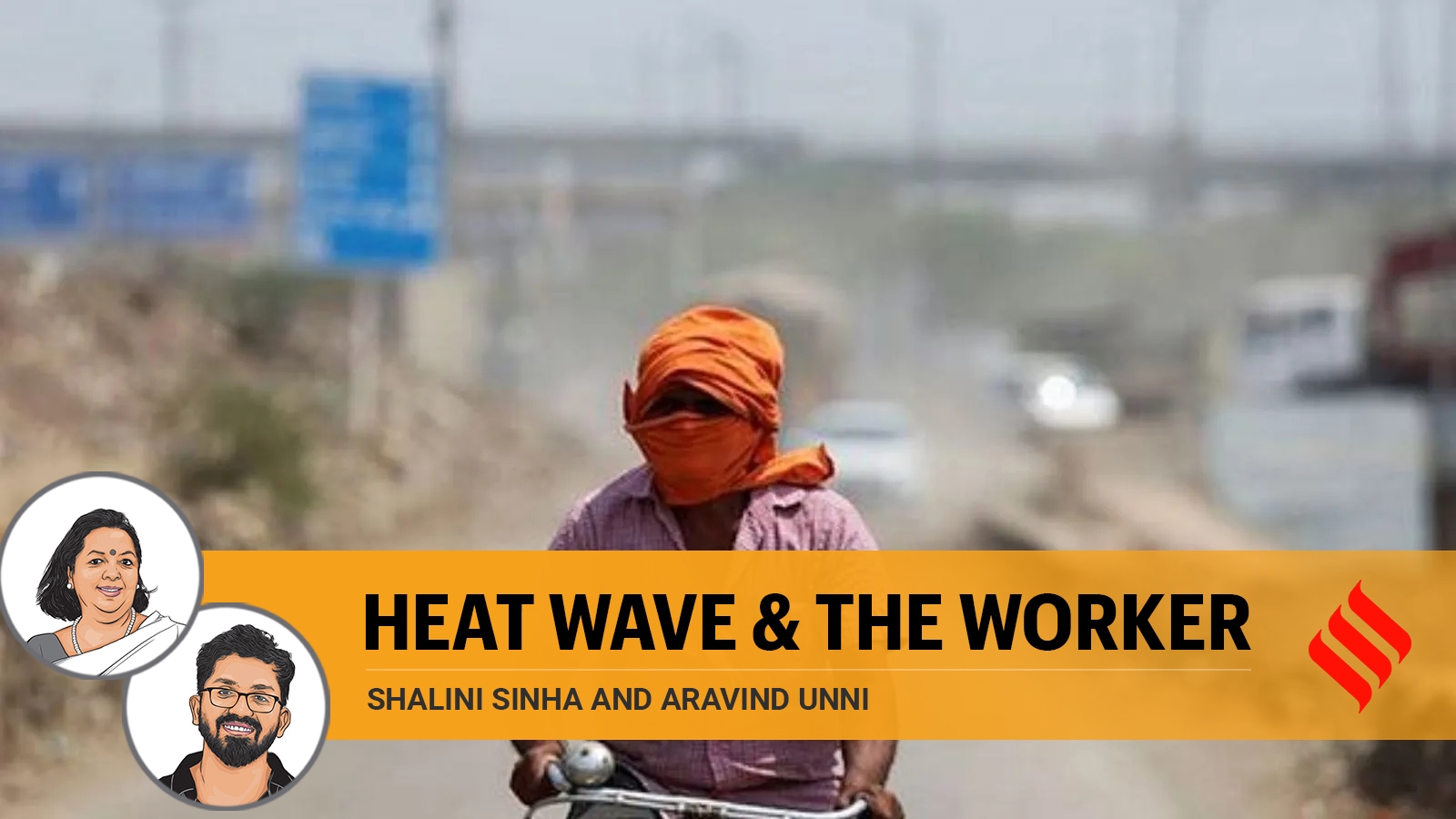
Recent research from the International Labour Organization highlights that heat stress at work is projected to result in significant productivity losses globally, particularly in sectors that require heavy physical exertion. In India, where millions rely on platform-based work, the intersection of limited labor protections and rising seasonal temperatures has prompted calls for more robust policy interventions. Experts suggest that without systemic changes—such as mandatory hydration breaks, the establishment of cooling centers, and revisions to delivery time windows during peak heat hours—the vulnerability of these workers will only continue to grow.
Infrastructure and Urban Vulnerability
The challenge is compounded by the nature of urban housing in major metropolitan areas. For many gig workers living in cramped quarters, the inability to cool down at night prevents the body from recovering from the thermal strain of the day. As noted by the Intergovernmental Panel on Climate Change (IPCC), urban areas are experiencing more frequent and intense heatwaves, and the quality of housing often dictates a resident’s ability to cope with these events. Inadequate ventilation and the lack of reliable electricity for fans or air conditioning turn homes into thermal traps, effectively cutting off the possibility of physiological rest.
This “recovery gap” is a critical factor in the long-term health outcomes for informal laborers. While the gig economy provides essential income for many, the lack of employer-provided benefits, such as health insurance or paid leave for heat-related illnesses, leaves workers with few resources when they eventually succumb to exhaustion. The discourse around “green” jobs and climate resilience often overlooks the immediate, on-the-ground needs of the informal sector, which serves as the backbone of urban commerce in South Asia.
Looking Ahead: Policy and Protection
As the international community monitors the impact of climate change on labor markets, the situation in India serves as a bellwether for other developing economies. The Ministry of Labour and Employment in India has periodically issued heatwave advisories to employers, urging them to adjust working hours and provide adequate water facilities. However, the enforcement of these guidelines remains a complex task given the decentralized and fragmented nature of platform work.
What happens next will likely depend on the synergy between platform companies, labor advocates, and government regulators. The push for “heat-safe” delivery protocols is gaining momentum, with some advocacy groups demanding that algorithmic management systems incorporate weather-based safety limits. Whether these demands will lead to enforceable regulations remains an open question, but the urgency is undeniable. As we move further into the summer months, the focus will remain on whether these workers can secure the protections necessary to survive a warming world.
We invite our readers to follow our ongoing coverage of climate-related labor issues. Share your thoughts in the comments section below as we continue to track how global policies are—or are not—addressing the needs of the most vulnerable workers in our changing climate.
Worth a look