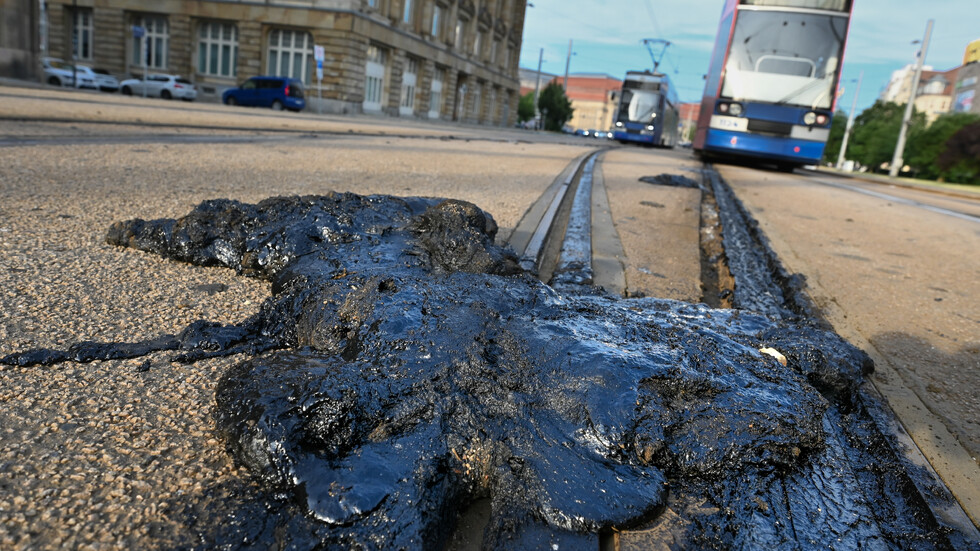
Extreme summer temperatures across Europe have caused significant infrastructure strain, including reports of heat-induced damage to public transit systems and rising concerns regarding public health. In Leipzig, Germany, authorities have documented instances of tramway rails buckling under the pressure of intense heat, a phenomenon that underscores the growing vulnerability of urban transit networks to shifting climate patterns.
As heat waves become more frequent, European cities are facing increased financial pressure to adapt aging infrastructure. The sustained high temperatures have not only affected mechanical systems like tram tracks but have also correlated with spikes in heat-related morbidity and mortality across several nations. The challenges faced by transit operators are part of a broader, continent-wide struggle to maintain public services during periods of extreme thermal stress.
Infrastructure Resilience Under Thermal Stress
The incident in Leipzig, where tram rails were reported to have “melted” due to extreme heat, serves as a stark example of the physical limitations of current urban engineering. The European Environment Agency (EEA) has highlighted that transport infrastructure, including rail and road networks, is susceptible to heat-induced deformation, which can lead to operational disruptions and safety risks for commuters.
Beyond the technical failure of transit lines, the broader impact of these heat waves is felt in the increased costs for climate adaptation. Municipalities across the European Union are currently reassessing their maintenance budgets to account for the need to install heat-resistant materials and improve cooling systems in public transport vehicles. The long-term financial burden of climate-proofing European cities is expected to climb as heat waves transition from rare events to standard seasonal occurrences.
Public Health and Social Impact
The human cost of these temperature extremes remains a primary concern for public health officials. In France, health authorities have reported 1000 deaths during the heat wave. These statistics underscore the critical need for robust public health protocols, such as cooling centers, hydration initiatives, and early warning systems for vulnerable populations, particularly the elderly and those with pre-existing health conditions.
The impact is equally felt by individual citizens. Anecdotal accounts from residents describe the difficulties of daily life during heat waves, particularly in regions where residential air conditioning is not standard. Reports of infrastructure “sticking” or failing—ranging from softened asphalt to public transport delays—reflect the widespread nature of the disruption. These personal experiences highlight a common European challenge: the rapid need for an infrastructure overhaul that matches the realities of a warming climate.
What Happens Next for European Cities
The next phase for urban planners involves a comprehensive review of building codes and infrastructure standards. Municipal governments are expected to prioritize the integration of heat-mitigation strategies and the replacement of traditional rail fastening systems with more flexible, heat-tolerant alternatives. These efforts are part of the ongoing implementation of the European Climate Adaptation Strategy, which seeks to bolster the resilience of critical services against extreme weather events.

While repair crews work to restore service in affected areas, the focus remains on long-term prevention. Citizens are encouraged to monitor local municipal websites for official updates regarding public transport schedules and heat-safety advisories. As cities continue to adapt, the balance between maintaining historical infrastructure and implementing modern, climate-resilient technology will remain a central theme in European urban development. We invite our readers to share their own experiences with local heat mitigation efforts in the comments section below.
Keep reading
- Mark Cuban Withdraws Legal Petition Against Mavericks’ Patrick Dumont
- Colombia Earthquake: Race to Free Survivors as Death Toll Climbs Past 285
- Tampa Woman Charged With First-Degree Murder in Fentanyl Overdose Death (archynewsy.com)
- Ryanair Flight Delayed in Extreme Heat Leaves Passengers Passed Out and Vomiting (newsdirectory3.com)