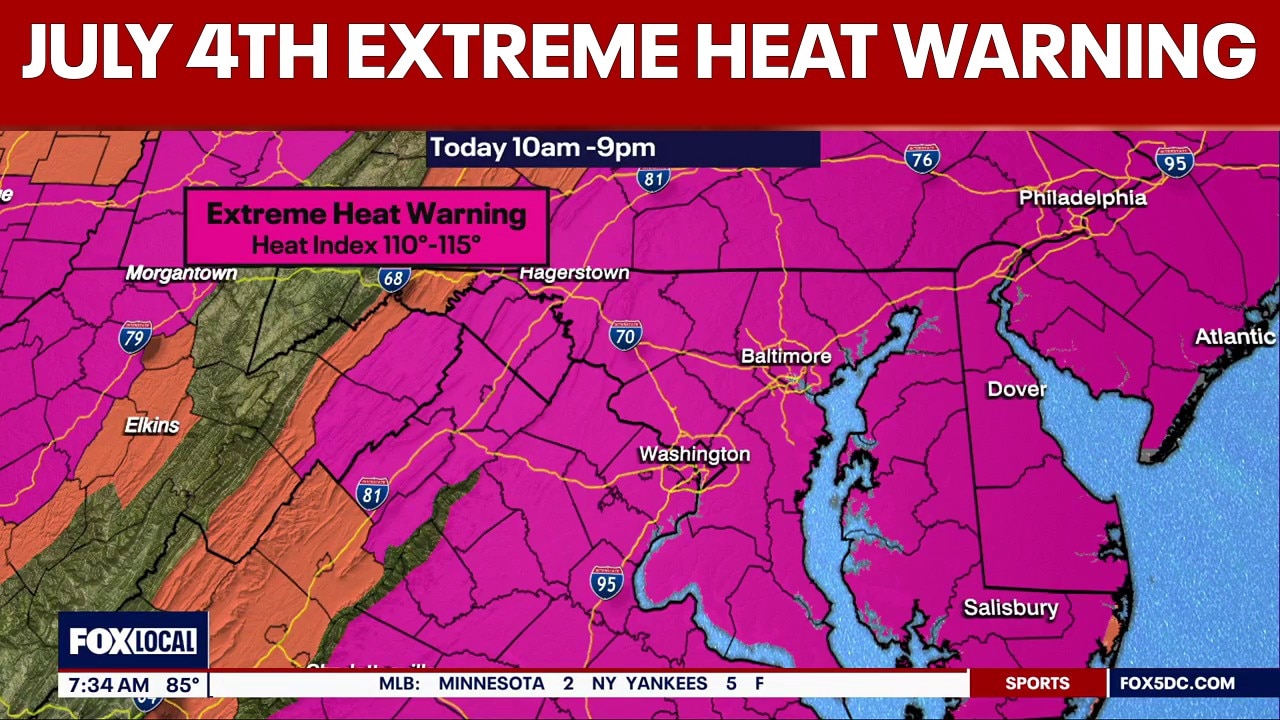
Extreme heat conditions across the Mid-Atlantic and Northeast have prompted widespread public safety warnings, with major metropolitan areas experiencing temperatures that have forced the cancellation of some parades ahead of July 4 fireworks. According to the Centers for Disease Control and Prevention (CDC), the United States is currently seeing ‘extremely high’ rates of heat-related emergency room visits, a trend health officials expect to continue through Saturday.
The current weather pattern, characterized by a heat dome, has pushed temperatures in Washington, D.C., Philadelphia, and New York City. As of early July, local municipalities have begun adjusting event schedules to mitigate risks to the public, citing concerns over heat exhaustion and heatstroke. The National Weather Service has issued ongoing heat advisories for the region, urging residents to limit outdoor exertion during peak afternoon hours.
Impact on Public Events and Municipal Operations
In the Washington, D.C. area, the intensity of the heat has disrupted traditional holiday programming. Some parades have been canceled ahead of July 4 fireworks to prevent prolonged exposure for participants and spectators. These decisions follow municipal guidance designed to reduce the strain on local emergency services, which are already managing a higher volume of heat-related calls.

Utility providers in the Northeast, including Eversource, have issued advisories to customers in Connecticut, urging residents to adjust thermostat settings to avoid energy strain in the heat wave. By raising thermostat temperatures slightly, utility companies aim to prevent grid instability and potential power outages caused by the surge in air conditioning usage during the extreme weather event.
Health Risks and Emergency Preparedness
Medical professionals emphasize that the current heatwave poses a significant risk to vulnerable populations, including the elderly, young children, and those with pre-existing health conditions. The CDC reports that heat-related illnesses—ranging from heat cramps to life-threatening heatstroke—are highly preventable if proper precautions are taken. Health authorities recommend drinking plenty of water, staying in air-conditioned environments, and avoiding direct sunlight.
The CDC data indicates that emergency department visits for heat-related illness are at ‘extremely high’ rates, with more coming Saturday, as the heatwave impacts the East Coast. Officials are monitoring real-time patient data to assess the strain on hospital capacity, with warnings in place for the remainder of the holiday weekend.
Regional Weather Forecasts
While the heat dome remains locked over the region, meteorologists are tracking potential shifts in the weather pattern. In the Washington, D.C. metropolitan area, some forecasts indicate sunshine returns in time for the weekend, which may offer temporary relief from the oppressive humidity. However, until a cold front moves through the area, the risk for heat-related incidents remains high.

Residents are encouraged to monitor local weather alerts via the National Weather Service for updates on heat index values and potential storm activity. Planning ahead, staying hydrated, and checking on neighbors remain the primary recommendations for public safety as the region navigates this period of heat.
The next official update regarding heat indices and potential relief from the current weather system is expected from regional meteorological offices as the weekend progresses. Readers are encouraged to share their own experiences with the heat or local updates in the comments section below.