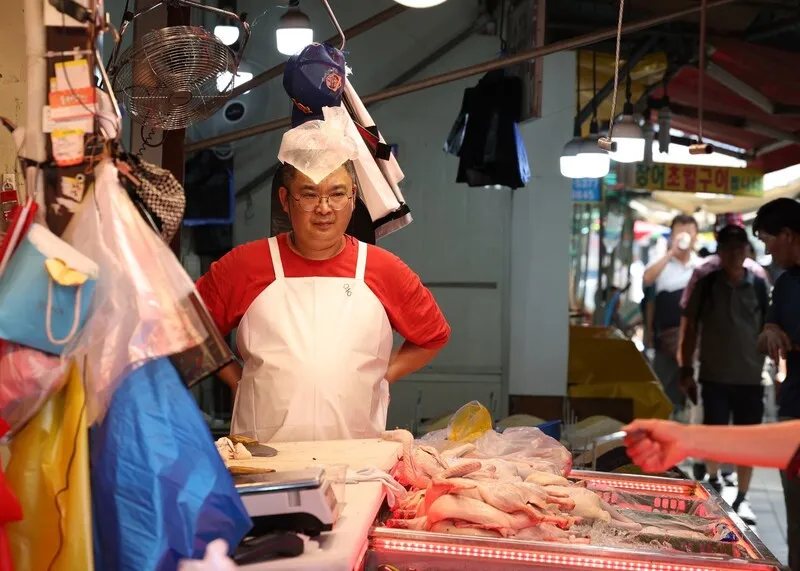
Urban Heatwaves Threaten Traditional Market Survival
Extreme heatwaves sweeping across urban centers are delivering a severe economic blow to traditional markets and small business owners. Declining foot traffic and sweltering indoor temperatures have sharply reduced daily operations. According to recent reports from local media outlets covering regional merchant sites, vendors operating without adequate cooling infrastructure are struggling to sustain basic business hours as daytime temperatures remain dangerously high.
The convergence of soaring summer temperatures and persistent economic inflation has altered consumer behavior, keeping shoppers away from open-air markets and traditional commercial districts.
Consumer Behavior Shifts Amid Economic Inflation
Small business operators, including restaurant owners and fresh produce vendors, report historic lows in customer numbers. Some establishments are recording only a handful of visitors during peak trading hours.
Market merchants face mounting operational pressures as the extreme weather forces adjustments to traditional display methods. In various municipal marketplaces, perishable goods such as vegetables cannot withstand the severe ambient heat. This has prompted vendors to replace physical produce displays with placeholder name tags to prevent complete inventory spoilage.
Endurance Tests at Namgwangju and Songjeong Markets
At traditional trading floors like Namgwangju Market and Songjeong 5-Day Market, merchants describe the current seasonal conditions as a daily test of endurance. According to on-site reporting, vendors operating older storefronts often lack modern climate control systems. This leaves them exposed to sustained high temperatures under heavy market awnings that trap heat.
Restaurant owners within these districts note that the intense heat directly suppresses consumer willingness to visit indoor dining spaces, particularly those requiring the use of heating appliances at tables. Local small business operators have observed daily customer counts plummeting to minimal figures, severely undermining daily revenues required to cover fixed overhead costs.
Logistical Hurdles for Fresh Food Vendors
The severe thermal conditions present immediate logistical hurdles for fresh food vendors. Agricultural stalls operating in regional markets have reported that leafy vegetables and sensitive produce deteriorate rapidly when exposed to ambient heat exceeding seasonal averages. To mitigate financial losses, merchants have increasingly turned to alternative display strategies, removing vulnerable stock from open counters.
Monitoring Conditions and Awaiting Weather Shifts
Municipal authorities and regional merchant associations continue to monitor conditions across traditional shopping districts as heat advisories remain active.
Business owners await relief from upcoming weather shifts, while local administrators assess potential support measures for small-scale merchants impacted by the prolonged seasonal downturn.
Worth a look