
European authorities are managing a severe heatwave across the continent, with temperatures approaching 40°C in several regions, leading to significant disruptions in rail infrastructure and the implementation of public health restrictions. According to the Copernicus Climate Change Service, these extreme heat events are becoming more frequent and intense, directly impacting public safety and transportation networks across Western and Southern Europe.
The current meteorological conditions have prompted national agencies to issue “red alerts” in multiple departments, particularly in France, where officials have enacted temporary bans on alcohol consumption in high-risk zones during public events. These measures follow updated safety protocols intended to mitigate the health risks associated with prolonged exposure to extreme heat, including dehydration and heatstroke, as reported by the Santé Publique France.
Impact on European Transportation Infrastructure
Rising temperatures have forced rail operators to implement speed restrictions and, in some instances, total service cancellations. When tracks reach critical temperatures, the metal can expand, a phenomenon known as “sun kinks” or rail buckling, which poses a significant risk to train safety. SNCF, the French national railway company, has confirmed that safety protocols mandate slower speeds or service suspensions when ambient temperatures exceed predetermined thresholds.
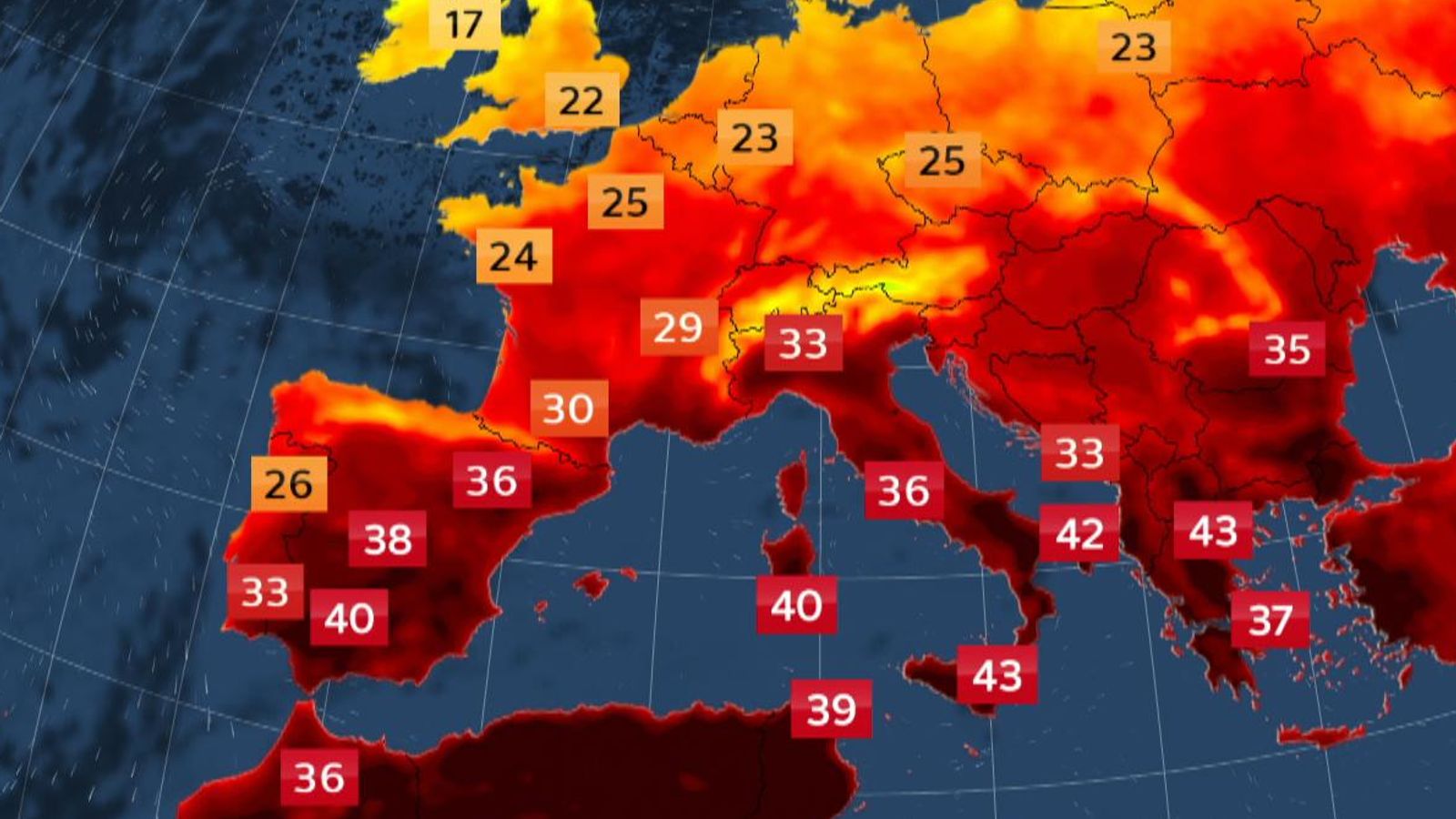
Beyond France, rail networks in neighboring countries are reporting similar operational adjustments. The International Railway Journal notes that maintenance teams are increasingly utilizing white reflective paint on tracks and installing advanced sensors to monitor rail temperature in real-time. Commuters are advised to check official operator websites for live updates, as service adjustments remain fluid and depend on localized thermal readings.
Public Health Measures and Safety Protocols
As temperatures hover near the 40°C mark, municipal governments have tightened regulations for outdoor gatherings. In various French departments currently under maximum heat alert, authorities have prohibited the sale and consumption of alcohol at large-scale festivals and public venues. This directive, supported by local prefectures, aims to reduce the risk of heat-related emergencies among attendees who may be susceptible to rapid dehydration.
The World Health Organization emphasizes that during extreme heat, the human body struggles to regulate its internal temperature, making alcohol consumption particularly dangerous as it accelerates fluid loss. Health ministries across the European Union have advised citizens to limit strenuous physical activity, stay hydrated, and check on elderly or vulnerable neighbors during the peak hours of the day, typically between 12:00 PM and 6:00 PM.
Climate Context and Future Projections
The current heatwave is consistent with broader climate trends identified by the Intergovernmental Panel on Climate Change (IPCC), which has documented an increase in both the frequency and duration of heatwaves in Europe over the last several decades. Scientists point to the interaction between shifting atmospheric patterns and long-term global warming as the primary drivers of these extreme weather incidents.
Data from the European Centre for Medium-Range Weather Forecasts suggests that the continent is entering a period where infrastructure designed for more moderate climates may require extensive retrofitting. This includes upgrades to power grids, which face immense pressure from increased air conditioning usage, and the redesign of urban spaces to incorporate more green cover and heat-reflective materials.
What Happens Next
National meteorological services continue to monitor the progression of the heat dome. Residents are encouraged to follow guidance issued by their respective national civil protection agencies, such as Météo-France, which provides localized, hour-by-hour updates on temperature peaks and alert levels. The next official evaluation of the heatwave’s intensity is scheduled for the coming 24 to 48 hours, at which point local governments will determine whether to extend or lift current restrictions.
For those traveling within the affected regions, it is essential to monitor official transit alerts and maintain a supply of water. We invite our readers to share their experiences or questions in the comments section below, and to ensure they are subscribed to our newsletter for the latest updates on this developing situation.
Related reading