
Emergency services in Cologne rescued seven residents from top-floor apartments as extreme temperatures pushed the city’s heat-management capacity to its limits. The rescue operations, necessitated by the life-threatening conditions inside overheated residential units, underscore the mounting strain on local emergency responders during the current heatwave affecting North Rhine-Westphalia. The combination of high ambient temperatures and the concentration of heat in upper-story living spaces has created critical health risks.
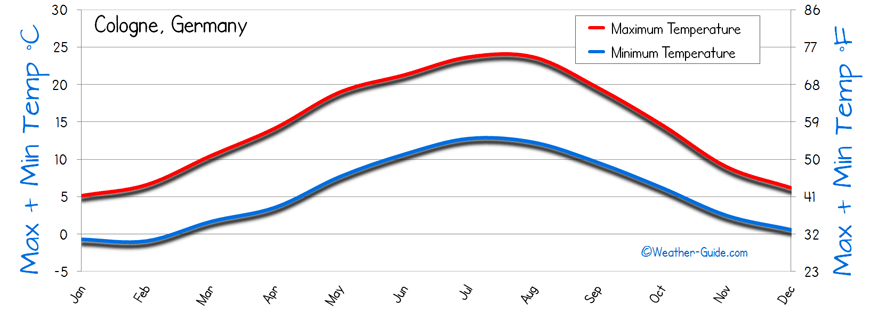
The city of Cologne has experienced intense heat, with temperatures recently hotter than those in Cuba. The German Weather Service (DWD) has analyzed the heat, noting that the city has broken its heat record from 1947.
Emergency Response Under Pressure
Cologne’s emergency medical services have reported that they are at their capacity limit. Local authorities have described the situation as an exceptional burden on the city’s rescue infrastructure, with staff stating they are “giving everything” to manage the influx of patients.
The decision to evacuate residents from top-floor apartments was a measure taken due to life-threatening heat. The city’s fire and rescue department confirmed that their teams are responding to the surge in incidents.
The Urban Heat Island Effect
Data indicates that Cologne’s geography and urban density contribute to the intensity of the heat. Large swathes of asphalt, concrete, and high-density housing act as heat sinks, absorbing solar radiation during the day and releasing it slowly at night, which prevents ambient temperatures from dropping significantly. This “urban heat island” effect is most pronounced in the city center and densely populated districts, where the lack of green space limits natural cooling.
Environmental analysts have pointed out that the structural design of many residential buildings in Cologne—specifically those with attic or top-floor conversions—makes them particularly susceptible to rapid heating. Without adequate cross-ventilation or external shading, these apartments trap heat, creating dangerous living conditions.
Safety Guidance and Official Updates
Public health officials in North Rhine-Westphalia continue to urge residents to take proactive measures to avoid heat-related illness. The DWD continues to monitor the atmospheric conditions over North Rhine-Westphalia and issues updated weather warnings via their official website. Residents are encouraged to monitor these alerts. The city’s emergency departments have requested that citizens reserve emergency lines for genuine health crises, as the volume of calls remains high.
For the latest developments and specific safety advisories, residents should consult the official portals of the City of Cologne and the German Weather Service. Further updates on the city’s emergency response status will be provided by local government spokespeople as the situation evolves. Readers are invited to share their experiences or questions regarding the heatwave in the comments section below.
Worth a look
- I Can’t Control Adults”: The Controversial Debate Over Parental Responsibility and Safety
- Adriana Baravalle Appointed Argentina’s New Secretary of Innovation, Science, and Technology
- English Channel: 230 Migrants Cross in Record-Breaking Inflatable Boat (time.news)
- UK Braces For Record-Breaking Heatwave (newsdirectory3.com)