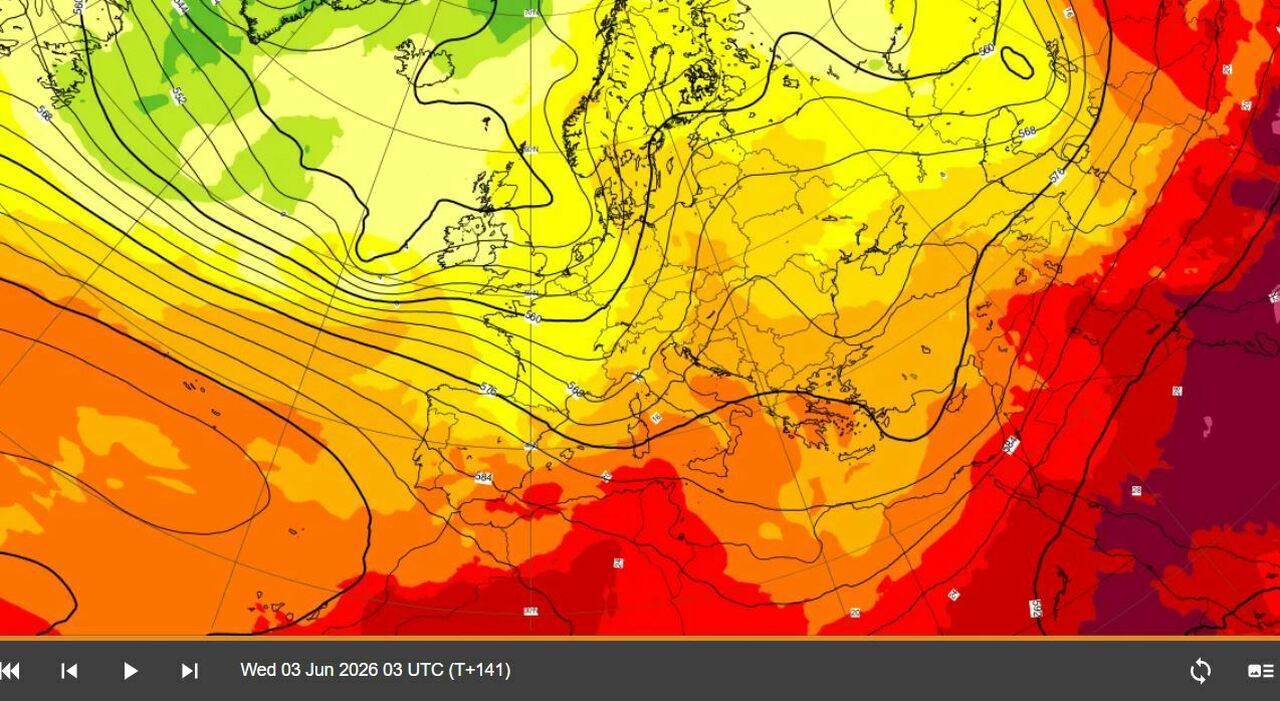
A significant and rapid escalation in temperatures is currently sweeping across Southern Europe, with Italy emerging as a primary focal point for extreme heat. Meteorological patterns indicate that the central and northern regions of the country are bearing the brunt of this thermal surge, as high-pressure systems drive temperatures well above seasonal norms. This localized heatwave, however, is not an isolated incident; it mirrors a broader, concerning trend of anomalous warming affecting high-altitude ecosystems from the European Alps to the Himalayan ranges.
As the transition into June begins, the meteorological outlook suggests a period of intense heat characterized by extreme temperature spikes. For major urban centers such as Milan and the surrounding Piedmont region, the immediate concern is the suddenness of the temperature rise, which can place significant stress on both public infrastructure and human health. The current weather pattern is being driven by established atmospheric mechanisms that are increasingly common in the Mediterranean basin during late spring and early summer.
The convergence of these high-temperature events across diverse geographies—from the densely populated plains of Northern Italy to the fragile high-altitude environments of the world’s great mountain ranges—underscores a period of intense climatic volatility. Experts are closely monitoring these developments to determine the duration of the current heatwave and its potential long-term implications for regional climate stability.
The Italian Epicenter: Central and Northern Heat Extremes
The current meteorological trajectory places the most significant thermal pressure on Central and Northern Italy. Forecasts indicate that these regions will experience some of the highest temperature readings in the country, creating a stark contrast with the more temperate conditions typically expected during this time of year. In regions like Piedmont and Lombardy, the heat is expected to be accompanied by periods of intense solar radiation, though meteorologists have also warned of the potential for sudden, localized thunderstorms that can follow extreme heat periods.

In Milan, the urban heat island effect—where metropolitan areas experience significantly higher temperatures than surrounding rural areas due to human activity and infrastructure—is expected to exacerbate the discomfort of the heatwave. The impact on the city’s energy grid is a primary concern, as the demand for cooling systems typically surges during such spikes. Authorities are advising residents to remain vigilant, particularly as the “heat dome” effect can lead to sustained periods of high temperatures without significant nocturnal cooling.
The regional impact extends beyond urban centers. The agricultural sectors in the Po Valley and the central Italian plains are facing the challenges of early-season heat stress, which can affect crop yields and water management strategies. As the heat persists into June, the management of water resources will become a critical priority for local governments to mitigate the effects of increased evaporation and potential drought conditions.
From the Alps to the Himalayas: A Global Mountain Crisis
While the immediate news cycle is focused on the Mediterranean, a parallel and perhaps more ecologically significant phenomenon is occurring in the world’s mountain ranges. Data indicates that anomalous heat is currently impacting high-altitude regions globally, including the Alps in Europe and the Himalayas in Asia. This phenomenon is part of a documented trend known as elevation-dependent warming (EDW), where higher altitudes experience more rapid temperature increases than the lowlands.
The implications for these mountain ecosystems are profound. The rapid rise in temperature at high altitudes accelerates the melting of glaciers and the degradation of permafrost. This not only threatens the stability of mountain slopes, increasing the risk of landslides and rockfalls, but also disrupts the seasonal water cycles that millions of people downstream rely upon for agriculture, drinking water, and hydroelectric power. The World Meteorological Organization (WMO) has frequently highlighted how these high-altitude changes serve as critical indicators of global climatic shifts.
In the Alps, the current heat spike is particularly concerning for the tourism and environmental sectors. Reduced snowpack and early glacial retreat are altering the landscape and affecting local biodiversity. Similarly, in the Himalayas, the warming trend poses an existential threat to the “water towers of Asia,” where the timing and volume of meltwater are essential for the stability of entire subcontinents. The synchronicity of these heat anomalies across different continents suggests a large-scale atmospheric driver rather than localized weather variations.
The Science Behind the Surge: Atmospheric Drivers
The current extreme heat can be attributed to several converging meteorological factors. Primarily, the presence of a strong, persistent anticyclone—often referred to as a high-pressure ridge—is forcing warm air from North Africa upward into the European continent. This high-pressure system acts as a “cap,” trapping heat near the surface and preventing the usual cooling mechanisms provided by cloud cover and wind circulation.
the phenomenon of atmospheric blocking is likely playing a role. This occurs when high-pressure systems become stationary, “blocking” the normal movement of weather fronts and creating prolonged periods of stagnant, hot weather. These blocking patterns are becoming increasingly frequent and intense, a trend that climate scientists link to the changing dynamics of the jet stream. When the jet stream becomes “wavy” or sluggish, it can lead to these persistent weather extremes that linger over specific regions for days or even weeks.
The broader context of rising global sea surface temperatures and increased greenhouse gas concentrations also provides the energy required for such intense heatwaves. As the atmosphere warms, it can hold more moisture, which, when combined with high-pressure systems, can lead to the “extreme heat followed by intense thunderstorm” pattern observed in parts of Italy. This cycle of extreme heat and sudden, violent weather is a hallmark of a more volatile climate regime.
Public Health and Safety: Navigating Extreme Heat
As temperatures reach extreme levels, public health officials are emphasizing the necessity of proactive heat safety measures. Extreme heat is often a “silent killer,” as its effects can be cumulative and may not be immediately apparent until a person reaches a state of heat exhaustion or heatstroke.

Health organizations, including the World Health Organization (WHO), recommend several critical steps for mitigating heat-related illnesses:
- Hydration: Maintaining consistent fluid intake is essential, even in the absence of thirst.
- Environmental Control: Seeking shade and air-conditioned environments during peak sunlight hours (typically 11:00 AM to 5:00 PM).
- Vulnerable Populations: Increased monitoring of the elderly, young children, and individuals with pre-existing cardiovascular or respiratory conditions, who are at the highest risk.
- Activity Modification: Limiting strenuous physical activity to cooler parts of the day, such as early morning or late evening.
In many Mediterranean cities, municipal governments are implementing “cool zones” and heat-health warning systems to provide relief to those without access to private air conditioning. The ability of urban infrastructure to provide these services is becoming a vital component of modern public health strategy in the face of a warming planet.
Key Takeaways: The Current Heat Situation
| Feature | Impacted Regions | Primary Risk Factor |
|---|---|---|
| Urban Heat | Milan, Piedmont, Central Italy | Heat island effect and energy grid strain |
| Mountain Warming | Alps and Himalayas | Glacial melt and permafrost instability |
| Atmospheric Driver | Southern Europe/Mediterranean | High-pressure anticyclones and atmospheric blocking |
| Public Health | Global (High-risk groups) | Heatstroke and dehydration |
The current situation serves as a stark reminder of the increasing frequency and intensity of extreme weather events. As the heatwave progresses, the focus will shift from immediate relief to long-term adaptation strategies for both urban environments and sensitive mountain ecosystems.
Next Checkpoint: Meteorological agencies are scheduled to release updated seasonal outlooks for June in the coming week. We will continue to monitor official updates from national weather services regarding the duration of the current high-pressure system.
If you found this report helpful, please share it with your network and leave your thoughts in the comments below. How is the weather affecting your region?
Worth a look