
London and large parts of Western Europe are bracing for extreme heat as a persistent weather pattern known as an “omega block” traps high temperatures across the continent. Meteorological agencies have issued urgent warnings as thermometers in several regions are expected to climb toward record-breaking levels, prompting authorities to advise residents to limit outdoor activity and stay hydrated.
The current heatwave, which has seen temperatures soar across France and the United Kingdom, is driven by a stagnant high-pressure system that prevents cooler air from moving into the region. According to the UK Met Office, these conditions create a “heat dome” effect, where hot air is compressed and intensified, leading to prolonged periods of dangerous temperatures that exceed seasonal averages.
Understanding the Omega Block Weather Pattern
The term “omega block” refers to the shape the jet stream takes on satellite imagery, resembling the Greek letter omega (Ω). This atmospheric configuration stalls weather systems, leaving regions stuck under a singular weather profile for days or even weeks. As reported by the World Meteorological Organization, these blocks are increasingly associated with climate change, which can amplify the intensity and duration of heat-trapping events in the northern hemisphere.
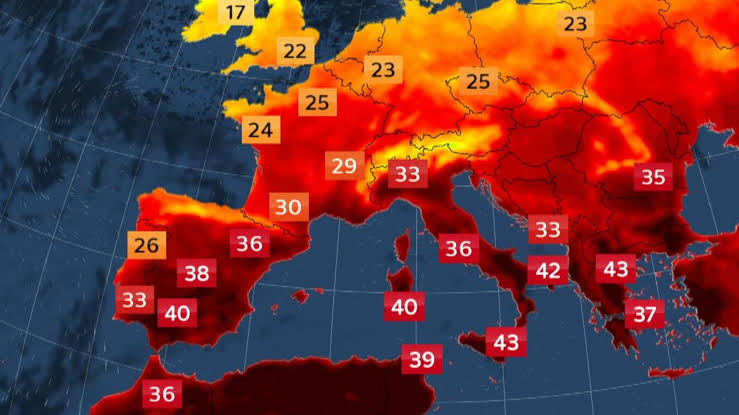
In practice, this means that while parts of Europe face scorching heat, other regions may remain trapped in cooler, wetter weather patterns due to the same stalled jet stream. For residents in London, the primary concern is the lack of overnight cooling, which prevents buildings and urban centers from shedding the heat accumulated during the day. This cumulative effect significantly increases the risk of heat-related illnesses, particularly among vulnerable populations such as the elderly and those with pre-existing health conditions.
Impacts Across Europe and Infrastructure Challenges
The heatwave has not been limited to the British Isles. France has reported severe conditions, with tens of thousands of residents experiencing power disruptions as the electrical grid struggles to keep pace with the surge in demand for air conditioning and cooling systems. The French grid operator RTE has noted that peak demand periods during heatwaves put immense strain on aging infrastructure, often leading to localized outages.
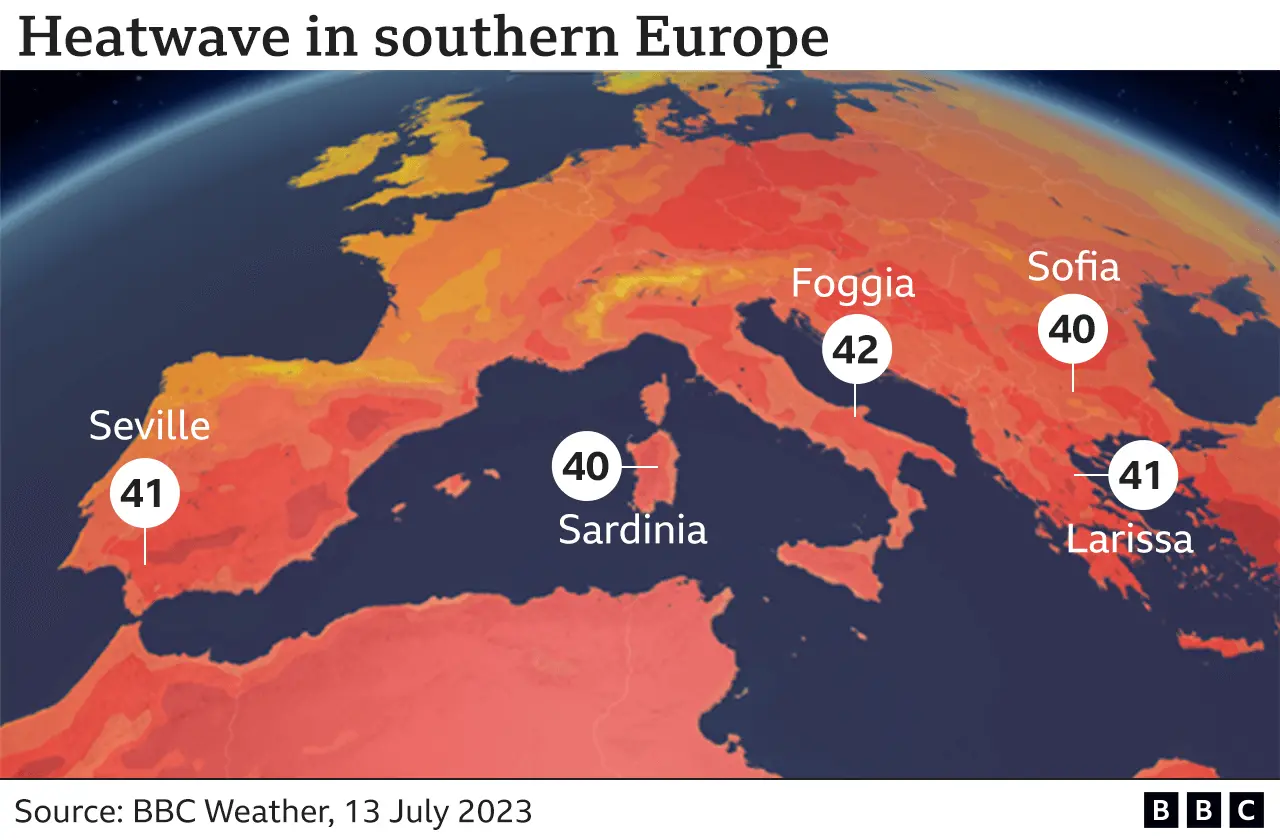
For many, the adjustment to such extreme temperatures is difficult. Public health officials across Europe consistently emphasize that heatwaves are silent emergencies. Unlike storms or floods, the danger is often invisible, and the physiological toll on the human body—manifesting as heat exhaustion or heatstroke—can occur rapidly if precautions are not taken. Emergency services in affected areas have ramped up staffing levels in anticipation of a rise in heat-related emergency calls.
Practical Safety Measures for Extreme Heat
As temperatures climb, local authorities in London and Paris have released updated safety guidelines for the public. The consensus among health experts is to avoid the “midday sun,” typically defined as the period between 11:00 AM and 4:00 PM, when UV radiation and ambient temperatures are at their highest. Staying indoors, keeping curtains drawn, and maintaining a steady intake of water are the primary defenses against heat stress.
Furthermore, experts suggest that residents should check on neighbors, particularly those living alone, to ensure they have access to cooling and are aware of the weather warnings. For those who must travel, wearing lightweight, light-colored clothing and avoiding strenuous physical activity is strongly recommended by the World Health Organization. Maintaining these habits is essential, as the body’s ability to acclimate to such rapid spikes in temperature is limited, regardless of how often a person encounters heatwaves.
What Happens Next: Monitoring the Forecast
Meteorological models indicate that the omega block may begin to break down by the end of the week, though the transition could bring volatile weather, including the possibility of thunderstorms. The European Centre for Medium-Range Weather Forecasts continues to track the movement of the high-pressure ridge, providing daily updates that inform regional emergency responses. Residents are encouraged to monitor local government websites and national weather service alerts for real-time information regarding their specific area.
As the situation remains fluid, the focus remains on minimizing the health impact of these record-breaking temperatures. Authorities will continue to evaluate the need for localized cooling centers and public health advisories until the heatwave subsides. Please share your experiences with the current heatwave in the comments section below, and stay tuned to our updates for the latest developments as the weather system shifts.
Keep reading