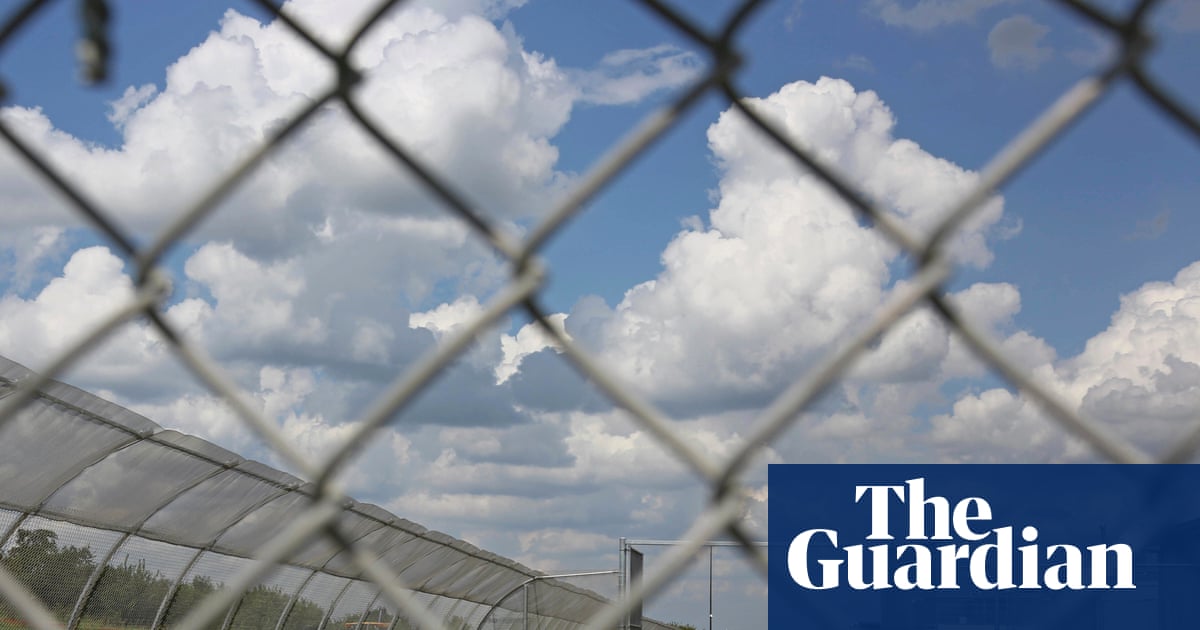
Legal experts and civil liberties advocates are raising concerns regarding the severity of sentences handed down to individuals convicted of crimes related to protests against U.S. Immigration and Customs Enforcement (ICE) facilities. Recent judicial outcomes in Texas have seen defendants receive multi-decade prison terms for actions tied to demonstrations, prompting a national debate over the application of terrorism-related sentencing enhancements in cases involving political unrest and property damage.
The sentencing patterns have drawn scrutiny from legal observers who contend that the application of “terrorism enhancements” significantly inflates prison terms, moving them far beyond standard sentencing guidelines for similar offenses. According to reports regarding the shooting at an ICE facility in Alvarado, Texas, defendants were handed sentences spanning multiple decades, including a 30-year term for one individual.
Understanding the Legal Framework and Sentencing Trends
The core of the current controversy centers on the use of federal sentencing guidelines that allow for enhanced penalties when a crime is deemed to be connected to an act of terrorism. Federal prosecutors have utilized these provisions to argue that targeting ICE facilities represents a direct assault on federal operations and public safety. The application of such enhancements can shift a sentence from a few years to several decades, depending on the specific charges—such as arson, use of a firearm, or possession of destructive devices—that are bundled under the terrorism classification.
Critics argue that these enhancements are being applied disproportionately to protesters whose primary intent may have been civil disobedience, even when such actions crossed into criminal conduct. In the case of the Alvarado facility, where shots were fired at the building, the prosecution emphasized the physical danger posed to employees inside. Conversely, defense attorneys in related cases have argued that the government’s reliance on terrorism statutes creates a “chilling effect” on free speech and the right to assemble, as the threat of sentences up to 100 years discourages participation in activist movements.
Prosecutorial Strategy and Federal Oversight
This strategy has resulted in a high success rate for the government in obtaining convictions, often through plea agreements that include these controversial sentencing enhancements.
Legal analysts tracking these proceedings suggest that the use of these statutes is part of a wider trend of “over-charging” in political protest cases. By categorizing property damage or minor physical altercations as terrorism-related, the government secures longer mandatory minimums, which limits judicial discretion during sentencing hearings. Federal sentencing for violent crimes against government property has trended upward, with prosecutors increasingly utilizing enhanced penalty tiers to deter future acts of civil unrest.
The Broader Implications for Civil Liberties
The impact of these decades-long sentences extends beyond the individuals currently incarcerated. Civil rights organizations have expressed concern that the normalization of terrorism-related sentencing for protest-related crimes fundamentally alters the landscape for future activism. If actions that were historically treated as vandalism or rioting are now classified as terrorism, the threshold for what constitutes a “threat to the state” has been lowered significantly.
For the families of those convicted, the reality is a loss of contact and the prospect of their relatives spending the majority of their adult lives in prison. The American Civil Liberties Union has frequently criticized the application of broad anti-terrorism laws in domestic contexts, arguing that such measures are prone to misuse and ignore the underlying grievances that motivate protesters. While the government maintains that these measures are necessary to ensure the safety of federal employees and the integrity of immigration enforcement facilities, the debate remains centered on whether the punishment fits the specific nature of the crimes committed.
Ongoing Legal Challenges and Future Updates
As these cases move through the appellate process, the legal community is watching to see if higher courts will challenge the application of terrorism enhancements in protest cases. Several defendants have filed motions for sentence reductions, citing the Eighth Amendment’s prohibition against cruel and unusual punishment. The U.S. Court of Appeals for the Fifth Circuit is expected to hear arguments regarding the constitutionality of these sentencing enhancements in upcoming sessions, which could set a significant precedent for how future protest-related crimes are adjudicated.

Public access to court filings and hearing schedules is available through the Public Access to Court Electronic Records (PACER) system. Updates regarding individual cases, including upcoming sentencing appeals and potential motions for retrial, will be monitored as they appear on the court docket.