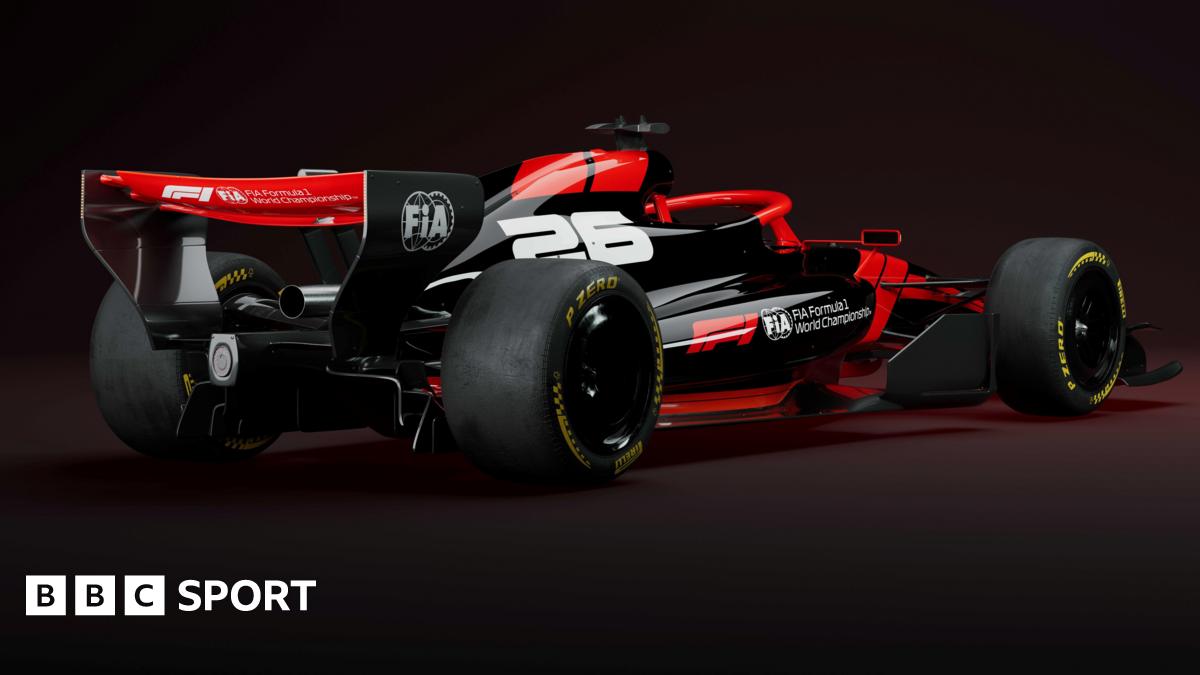
Decoding the Future of Formula 1: A Guide to the 2026 Regulations
Formula 1 is on the cusp of a revolutionary shift. The 2026 season isn’t just another year of racing; it represents the most important overhaul of regulations in recent history, impacting everything from engine technology to aerodynamic design. Understanding these changes is crucial for any fan wanting to truly grasp the future of the sport. This article will break down the new Formula 1 rules, the terminology being adopted, and what it all means for on-track performance.
the upcoming changes aren’t simply tweaks. They’re a fundamental reimagining of how F1 cars operate, driven by a commitment to sustainability and enhanced competition.New chassis designs and a mandate for sustainable fuels are at the heart of this transformation.
The Power of Sustainable Fuels & Increased Electrification
The core of the 2026 regulations revolves around a dramatic increase in electrical power and the adoption of 100% sustainable fuels. While the engines will retain the 1.6-litre V6 turbo-hybrid configuration, the electrical component will be considerably boosted. This necessitates substantial aerodynamic innovations to manage the increased energy.
According to a recent report by the FIA (November 2023), the target is to achieve a 50% increase in electrical power output, moving towards a near 50/50 split between internal combustion and electric power. This shift isn’t just about speed; it’s about reducing the sport’s carbon footprint.
New Terminology for a New Era
Recognizing the complexity of these changes, Formula 1 and the FIA have undertaken a significant effort to simplify the language used to describe the new technologies. This initiative involved extensive consultation with fans – both seasoned and new – utilizing polling data and feedback from their 50,000-strong “Fan Voice” community.
The goal? To make the sport more accessible and understandable to a wider audience.
Previously used terms like “x-mode” and “z-mode” – referring to active aerodynamics – have been discarded in favor of more descriptive language. This ensures that fans can promptly understand the function of the technology without needing a technical degree.
Here’s a breakdown of some key terminology you’ll be hearing in 2026:
* DRS (Drag Reduction System): Remains a key overtaking tool, but its effectiveness will be influenced by the new aerodynamic regulations.
* ERS (Energy recovery System): The system that recovers energy from braking and exhaust heat. Its capacity and deployment strategies will be crucial.
* Power Unit: The complete engine and electrical system.
* Sustainable Fuel: 100% synthetic or bio-based fuels designed to significantly reduce carbon emissions.
* Active Aerodynamics: Systems that allow the car’s aerodynamic elements to adjust dynamically during a race.
Aerodynamic Innovations & Active Aero
The increased electrical power demands significant changes to the car’s aerodynamics. Teams are focusing on maximizing downforce while minimizing drag, a delicate balancing act.Active aerodynamics will play a pivotal role, allowing drivers to adjust the car’s aero configuration in real-time to optimize performance for different track sections and racing conditions.
This isn’t just about adding more wings. It’s about creating bright systems that respond to driver input and track conditions. Expect to see more complex designs that prioritize efficiency and adaptability.
Addressing Common Questions About the 2026 Regulations
Manny fans are understandably curious about the implications of these changes. Here are answers to some frequently asked questions:
* Will the 2026 cars be significantly faster? Possibly, yes. The increased electrical power could lead to faster lap times, but aerodynamic efficiency will be
Worth a look