
Behind the high-tech telemetry, the strategic calculations of pit walls, and the fierce on-track rivalries of Formula 1 lies a much more casual, digital sanctuary: the drivers’ WhatsApp group. While the public sees twenty athletes competing for a world championship, the internal reality is a tight-knit community of peers who employ encrypted messaging to share jokes, offer support, and react in real-time to the chaos of a race weekend.
This hidden layer of the paddock recently came into the spotlight following the Japan Grand Prix weekend, when Valtteri Bottas revealed that the group chat had become exceptionally active. The catalyst was not a championship-deciding move or a controversial steward’s decision, but rather the experience of a rising star in the feeder series, Oliver Bearman, whose struggles during the Japan event sparked a flurry of communication among the sport’s elite.
Bottas, known for his candid nature and willingness to peel back the curtain on the sport’s internal dynamics, noted that the digital conversation intensified after Bearman’s crash. The incident highlighted a recurring theme in the F1 ecosystem: the immense pressure placed on rookies and the subsequent empathy felt by veteran drivers who remember their own tentative first steps into the highest echelon of motorsport.
The Digital Paddock: How the Driver’s Group Chat Functions
The Formula 1 drivers’ WhatsApp group serves as a vital social outlet in a sport characterized by extreme isolation and intense professional scrutiny. For drivers who spend a significant portion of the year traveling globally, the group provides a sense of stability and camaraderie. This proves a space where the hierarchy of the standings often disappears, replaced by shared experiences of travel fatigue, technical frustrations, and the psychological toll of racing at 200 mph.
According to Bottas, the group is not merely for social planning but acts as a real-time reaction hub. When an unexpected event occurs—such as a dramatic crash or an unusual technical failure—the group often glows
, a term used to describe the rapid-fire exchange of messages as drivers process the event together. This digital bond is particularly important for the younger generation of drivers, who enter the sport with a digital-first approach to communication.
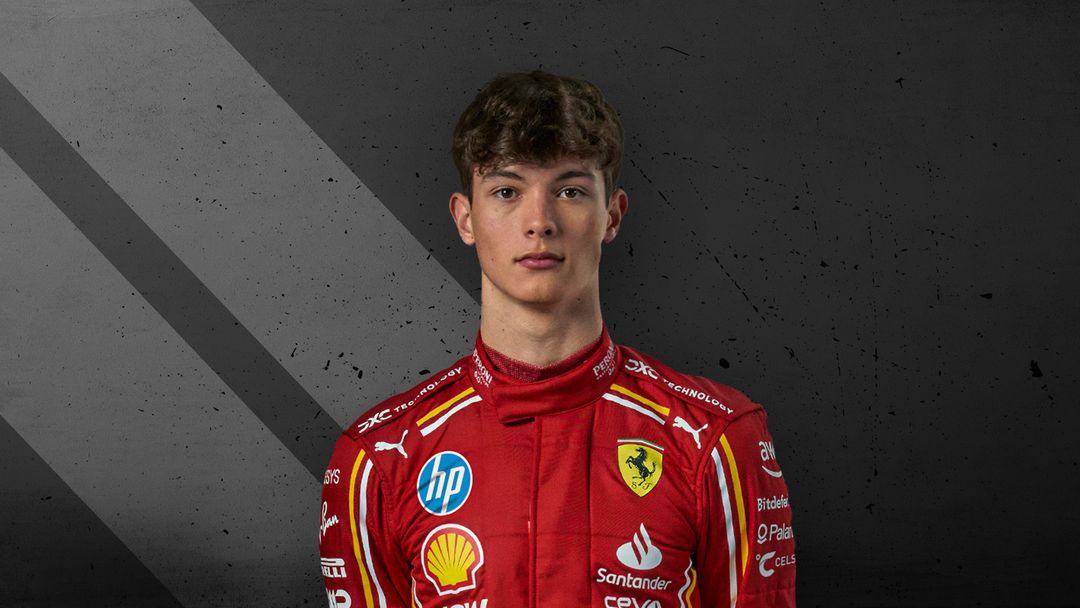
The interaction regarding Oliver Bearman is a prime example of this dynamic. Bearman, who gained global attention after stepping in for Carlos Sainz at Ferrari during the Saudi Arabian Grand Prix earlier in the year, has been under a microscope. When he faced setbacks during the FIA Formula 2 events in Japan, the F1 drivers used their private channel to discuss the incident, reflecting a mix of concern and mentorship.
Oliver Bearman and the Pressure of the Pipeline
The transition from Formula 2 to Formula 1 is one of the steepest learning curves in professional sports. Oliver Bearman has been fast-tracked as one of Ferrari’s most promising talents, a position that brings both prestige and immense expectation. His crash in Japan served as a reminder that the path to a permanent F1 seat is rarely linear and is often marked by high-profile errors.
The fact that established F1 drivers were discussing Bearman’s crash in their private group suggests that he is already viewed as a peer by the grid. In the insular world of F1, being a topic of conversation in the drivers’ group is a sign of integration. For the veterans, watching a rookie struggle often triggers a reflexive desire to provide support or share similar stories of early-career mistakes to normalize the experience.
This support system is critical for mental health in a sport where a single mistake can be broadcast to millions of viewers instantly. The private nature of the WhatsApp group allows drivers to be vulnerable in a way that is impossible during official press conferences or team interviews.
The Role of Valtteri Bottas as the Paddock Truth-Teller
Valtteri Bottas has carved out a unique role in the modern F1 era. After leaving Mercedes and joining the Stake F1 Team, Bottas has leaned into a more authentic, less corporate persona. By sharing details about the drivers’ group chat, he provides fans with a glimpse of the human element that is often erased by the polished PR machinery of the teams.
Bottas’s willingness to discuss these interactions underscores a shift in the sport’s culture. While previous generations of drivers were often depicted as solitary figures or bitter rivals, the current grid is characterized by a surprising amount of genuine friendship. The WhatsApp group is the primary engine driving this cohesion, allowing drivers to maintain relationships across team lines.
Industry analysts suggest that this increased camaraderie can actually impact the racing. When drivers have a baseline of mutual respect and friendship established in a group chat, they are often more likely to resolve on-track disputes quickly and avoid long-standing feuds that can destabilize the paddock atmosphere.
Why This Matters for the Sport’s Global Image
For a global audience, the revelation of the drivers’ digital interactions humanizes the athletes. Formula 1 is often perceived as a cold, mechanical pursuit dominated by billionaire owners and corporate sponsors. Knowing that the drivers are essentially a group of friends texting each other about a rookie’s crash makes the sport more accessible and engaging.
it highlights the importance of the “driver’s union” mentality. While there is no formal union in the same vein as North American sports, the informal network created by tools like WhatsApp allows drivers to align on safety concerns and sporting regulations. When the group glows
over a safety incident, it often precedes a formal request for changes to track layouts or car specifications through the FIA (Fédération Internationale de l’Automobile).
Key Dynamics of the F1 Driver Community
| Aspect | Public Persona (Media/Press) | Private Persona (WhatsApp Group) |
|---|---|---|
| Tone | Diplomatic, strategic, guarded | Candid, humorous, supportive |
| Focus | Team performance, championship points | Shared struggles, banter, personal lives |
| Conflict | Managed by PR, framed as “racing incidents” | Resolved directly or joked about among peers |
| Rookie Integration | Formal introductions, media scrutiny | Informal welcoming, mentorship, shared memes |
What Happens Next for the Rookies?
As the season progresses, the focus will remain on how the next generation of drivers, including Oliver Bearman, handle the volatility of the feeder series and the transition to F1. The support they receive—both public and private—will play a significant role in their psychological resilience.

The F1 community continues to watch Bearman’s development closely, as his trajectory is a blueprint for how teams like Ferrari manage their youth academies. Every crash and every recovery is analyzed not just by engineers, but by the drivers themselves, who use their private channels to track the progress of their future colleagues.
The next major checkpoint for the sport will be the upcoming race weekends, where the tension of the championship battle will likely continue to fuel the activity in the drivers’ group chat. Whether it is a celebration of a victory or a collective sigh over a mechanical failure, the digital heartbeat of the paddock remains a constant, invisible force.
Do you experience the camaraderie among F1 drivers makes the racing more professional, or does it capture away from the competitive edge? Share your thoughts in the comments below.