
F1 in Miami and NASCAR in Texas: A Scheduling Clash and the Growing American Appeal of Motorsport
The worlds of Formula 1 and NASCAR, two of the most prominent motorsports globally, recently found themselves overlapping on the American calendar, creating a noteworthy scheduling conflict. While not a direct head-to-head competition on the track, the proximity of the Miami Grand Prix and the NASCAR Cup Series race in Texas has sparked discussion about the growing popularity of motorsport in the United States and the strategies each series employs to capture the American audience. This convergence highlights a broader trend: the increasing investment in and attention towards motorsports within the US market.
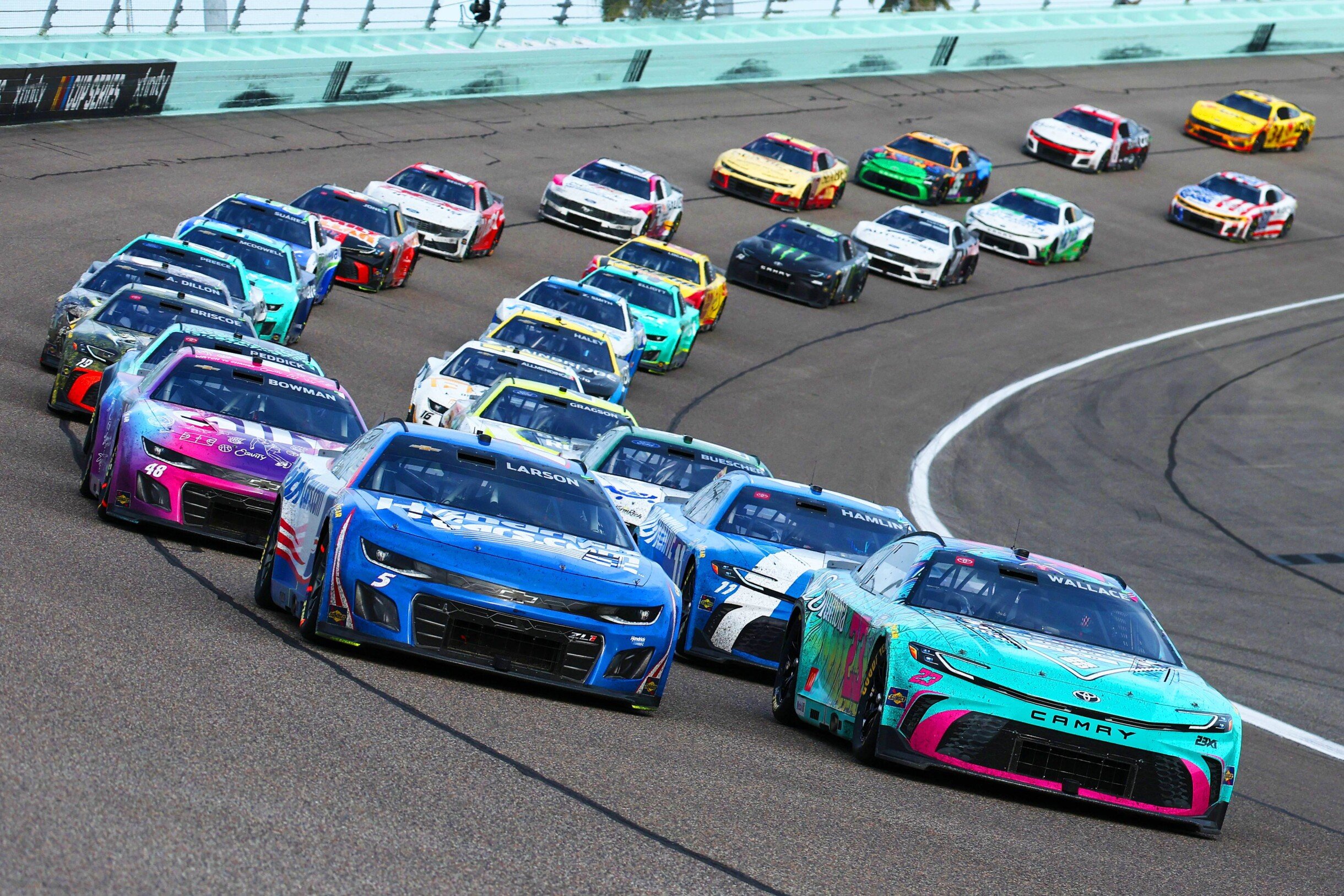
The scheduling overlap, described as “a bit of a cheeky calendar” by some observers, places both events within a relatively short timeframe, forcing fans to potentially choose between experiencing the high-speed glamour of Formula 1 and the traditional, stock car racing excitement of NASCAR. The Miami Grand Prix, held on May 5th, 2024, at the Miami International Autodrome, marked a significant moment for Formula 1, solidifying its commitment to expanding its presence in the United States. Similarly, the NASCAR Cup Series race at Texas Motor Speedway, held on April 13th, 2024, continues to be a cornerstone event for the series, drawing a dedicated fanbase. Motorsport.com details the weekend schedule for the Texas race.
The Rise of Motorsport in the United States
The increased focus on the American market by both Formula 1 and NASCAR isn’t accidental. The United States represents a substantial growth opportunity for both series, with a large and passionate fanbase eager for motorsport entertainment. Formula 1, traditionally more popular in Europe and Asia, has been actively working to cultivate a stronger following in the US, evidenced by the addition of the Miami Grand Prix and the United States Grand Prix in Austin, Texas. These events are designed to appeal to a broader audience, incorporating entertainment and cultural elements alongside the racing action.

NASCAR, of course, already boasts a deeply entrenched fanbase in the United States, particularly in the Southeast. However, the series is also actively seeking to expand its reach to new demographics and regions. This includes initiatives to engage younger fans through social media and digital platforms, as well as exploring new track formats and race structures. The Texas race, a long-standing fixture on the NASCAR calendar, remains a key event in this strategy, attracting a significant number of attendees and television viewers.
Bubba Wallace and the Cross-Pollination of Fans
The intersection of the two racing worlds extends beyond the calendar. NASCAR driver Bubba Wallace recently generated buzz by expressing his interest in Formula 1 and specifically, Lewis Hamilton. Wallace’s comments, made ahead of the Miami Grand Prix, demonstrate a growing awareness and appreciation between the two series and their respective fanbases. This cross-pollination of interest could potentially benefit both Formula 1 and NASCAR, introducing new fans to each sport.
Wallace’s openness to exploring Formula 1 reflects a broader trend of drivers and teams from different motorsport disciplines showing interest in each other’s series. This exchange of ideas and perspectives can lead to innovation and improvements within both sports. The increasing visibility of Formula 1 in the US, coupled with the established popularity of NASCAR, creates a unique environment for this type of cross-promotion and fan engagement.
Scheduling Conflicts and Strategic Considerations
The scheduling conflict between the Miami Grand Prix and the Texas NASCAR race raises questions about the strategic considerations involved in event planning. While the overlap may create some challenges for fans, it also presents an opportunity for both series to showcase their respective strengths and attract new viewers. Formula 1’s appeal often lies in its technological innovation, global reach, and glamorous image, while NASCAR’s strength resides in its close-quarters racing, passionate fanbase, and distinctly American heritage.
The decision to schedule these events in close proximity likely involved a complex interplay of factors, including venue availability, television broadcast agreements, and marketing considerations. Both Formula 1 and NASCAR are vying for attention in a crowded sports landscape, and strategic scheduling is crucial for maximizing viewership and revenue. The fact that both series chose to hold major events in the US within the same timeframe underscores the importance of the American market to their long-term success.
The Future of Motorsport in America
Looking ahead, the future of motorsport in America appears bright. The continued investment in US-based events by both Formula 1 and NASCAR, coupled with the growing interest from fans and sponsors, suggests that the popularity of motorsport will continue to rise. The potential for further expansion, including the addition of new races and the development of innovative fan engagement strategies, is significant.

The scheduling clash between the Miami Grand Prix and the Texas NASCAR race serves as a microcosm of the broader trends shaping the American motorsport landscape. It highlights the increasing competition for fans’ attention, the strategic importance of the US market, and the potential for cross-pollination between different racing disciplines. As both Formula 1 and NASCAR continue to evolve and adapt to the changing demands of the modern sports world, the American audience will undoubtedly play a pivotal role in their future success.
Key Takeaways
- The scheduling of the Miami Grand Prix and the NASCAR race in Texas within a short timeframe highlights the growing importance of the US market for both series.
- Bubba Wallace’s expressed interest in Formula 1 demonstrates a growing cross-pollination of fans and perspectives between the two sports.
- Formula 1 is actively working to expand its presence in the US, while NASCAR is focused on reaching new demographics and regions.
- Strategic scheduling and marketing are crucial for both series to maximize viewership and revenue in the competitive American sports landscape.
The next major event for Formula 1 in the US will be the United States Grand Prix in Austin, Texas, scheduled for October 20-22, 2024. For NASCAR, the focus will shift to the upcoming races at Talladega Superspeedway and Charlotte Motor Speedway. We encourage readers to share their thoughts on the growing popularity of motorsport in the US and the potential for further collaboration between Formula 1 and NASCAR in the comments below.