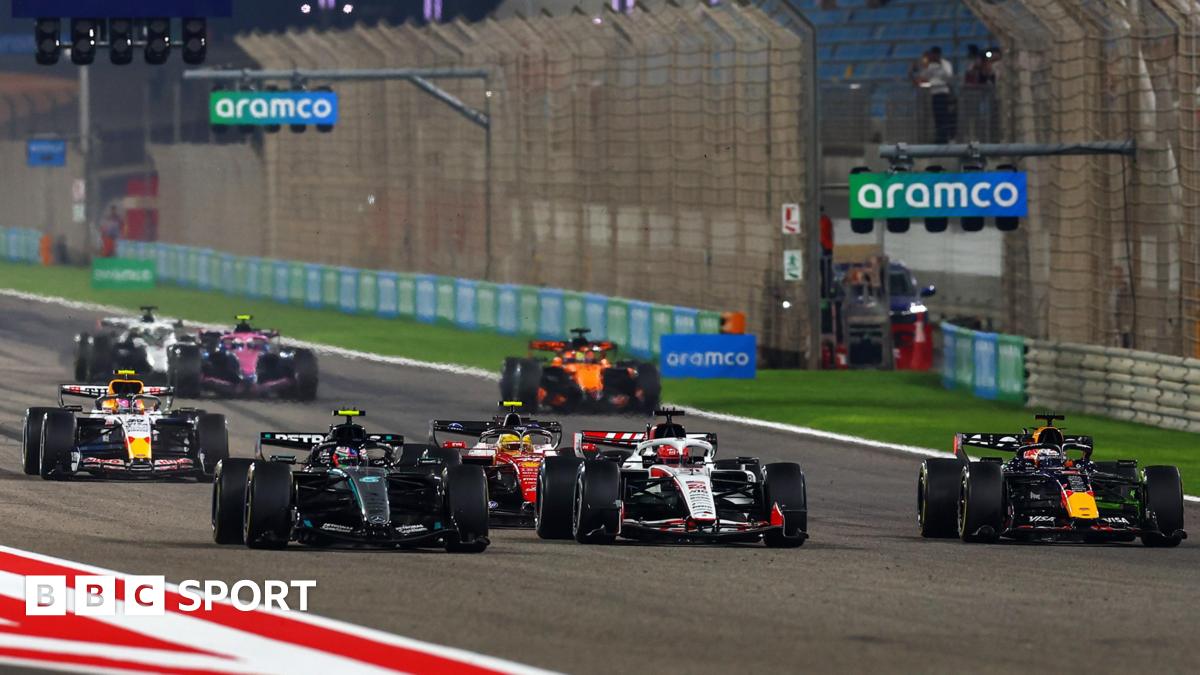
The world of Formula 1 is no stranger to controversy, but a recent dispute over engine regulations has escalated, culminating in a rule change announced by the FIA on Saturday. The core of the issue revolves around compression ratios in the new power units set to debut this season, with rivals to Mercedes alleging a performance advantage gained through clever materials technology. This latest development underscores the intense competition and technical scrutiny that define the pinnacle of motorsport, as teams strive for every possible edge.
The 2026 season marks a significant shift in Formula 1 engine design, with a near 50-50 split between internal combustion and electrical power. This change, along with the introduction of sustainable fuels, has attracted new manufacturers like Audi and Ford, and even prompted Honda to reconsider its previous decision to exit the sport. However, the debate over compression ratios threatened to overshadow these positive developments, prompting a swift response from the governing body. The situation highlights the delicate balance between innovation and fairness that the FIA must maintain to ensure a level playing field for all competitors.
FIA Announces Revised Compression Ratio Measurement
Following pressure from Audi, Ferrari, Red Bull, and Honda, the FIA has confirmed a change to the method of measuring engine compression ratios. Initially, the regulations limited the ratio to 16:1, measured at ambient temperature. However, rivals argued that Mercedes had found a way to effectively manage thermal expansion, minimizing the decrease in compression ratio as the engine heated up – potentially giving them a significant performance benefit. The FIA’s statement, released on Saturday, detailed that the compression ratio will now be measured at both ambient temperature and 130°C starting June 1st, with a full transition to 130°C measurements for the 2027 season. Pro Football Network reported on Audi’s initial warning shot in this dispute.
The change aims to address concerns that Mercedes was exploiting a loophole in the regulations. Compression ratio, fundamentally, impacts engine power; a higher ratio generally leads to increased performance. The concern wasn’t that Mercedes was *exceeding* the 16:1 limit, but rather that they were maintaining a higher effective compression ratio at operating temperatures than their competitors. According to reports, the potential performance gain for Mercedes was estimated as high as 0.3 seconds per lap, though Mercedes team boss Toto Wolff downplayed this, stating it amounted to “a few horsepower – in England you would say a couple, which is more like two and three.”
The Technical Core of the Dispute
The crux of the disagreement lies in the physics of engine operation. As an engine heats up, the materials expand, which naturally reduces the compression ratio. Manufacturers are therefore tasked with mitigating this loss. The belief among Mercedes’ rivals was that the German manufacturer had developed a superior method for controlling this thermal expansion, allowing them to maintain a more advantageous compression ratio throughout a race. PlanetF1 detailed Audi’s firm stance against any compromise on the regulations, emphasizing the need for a level playing field.
Audi, in particular, has been vocal in its opposition to any compromise. James Key, Audi’s technical director, insisted that the FIA must uphold the integrity of the regulations. “We have to, as we do, trust the FIA with making the right decisions here,” Key stated, as reported by Autosport and relayed by PlanetF1. He drew a parallel to the 2009 season, when the introduction of the ‘double diffuser’ by Toyota, Williams, and Brawn sparked controversy and accusations of political influence within the FIA. Key emphasized that allowing one team to benefit from a clever interpretation of the rules while restricting others would be unacceptable.
Energy Management Concerns Remain
While the compression ratio dispute has been addressed, the FIA statement likewise acknowledged ongoing discussions regarding energy management. The new engine regulations place a greater emphasis on electrical power, and drivers have reportedly experienced challenges with energy deployment and recovery. The BBC reported that drivers have complained about the “energy-starved” nature of the cars, leading to unusual driving techniques. The FIA is currently evaluating potential rule changes to simplify energy management and improve the overall driving experience.
This isn’t simply a matter of driver comfort; effective energy management is crucial for lap times and race strategy. The complex interplay between the internal combustion engine and the electrical systems requires precise control and optimization. Any adjustments to the regulations in this area could have a significant impact on the competitive landscape.
Unanimous Approval and Future Implications
The FIA confirmed that the rule change regarding compression ratio measurement was approved unanimously by all power-unit manufacturers. This consensus suggests a willingness from all parties to move forward and focus on the upcoming season. However, the initial dispute highlights the intense scrutiny and competitive pressures within Formula 1. The fact that Audi, a new entrant to the sport, was so assertive in challenging the existing regulations demonstrates its commitment to competing at the highest level.
The revised regulations will allow manufacturers to potentially exceed the 16:1 compression ratio at ambient temperature, while still complying with the rules at operating temperature. This change could lead to further innovation in engine design as teams seek to maximize performance within the new parameters. The 2026 season promises to be a fascinating one, with the introduction of new power units, new manufacturers, and a renewed focus on sustainable technology. The outcome of these changes will undoubtedly shape the future of Formula 1.
Key Takeaways
- The FIA has revised the method for measuring engine compression ratios in response to concerns raised by Audi, Ferrari, Red Bull, and Honda.
- The new regulations will require compression ratio measurements at both ambient temperature and 130°C, with a full transition to 130°C measurements in 2027.
- The dispute centered on allegations that Mercedes had found a way to maintain a higher effective compression ratio at operating temperatures.
- Ongoing discussions are taking place regarding energy management within the new power units.
- The rule change was approved unanimously by all power-unit manufacturers, signaling a commitment to a level playing field.
Looking ahead, the FIA will continue to monitor the performance of the new power units and evaluate any necessary adjustments to the regulations. Further technical checks on energy management systems are planned, and the results of these evaluations will likely influence future rule changes. The next significant checkpoint will be the initial rounds of the 2026 championship, where teams will have the opportunity to demonstrate the effectiveness of their engine designs under race conditions.
The ongoing evolution of Formula 1 regulations underscores the sport’s commitment to innovation and competition. We encourage readers to share their thoughts on these developments and to continue following World Today Journal for comprehensive coverage of the 2026 Formula 1 season.
Keep reading