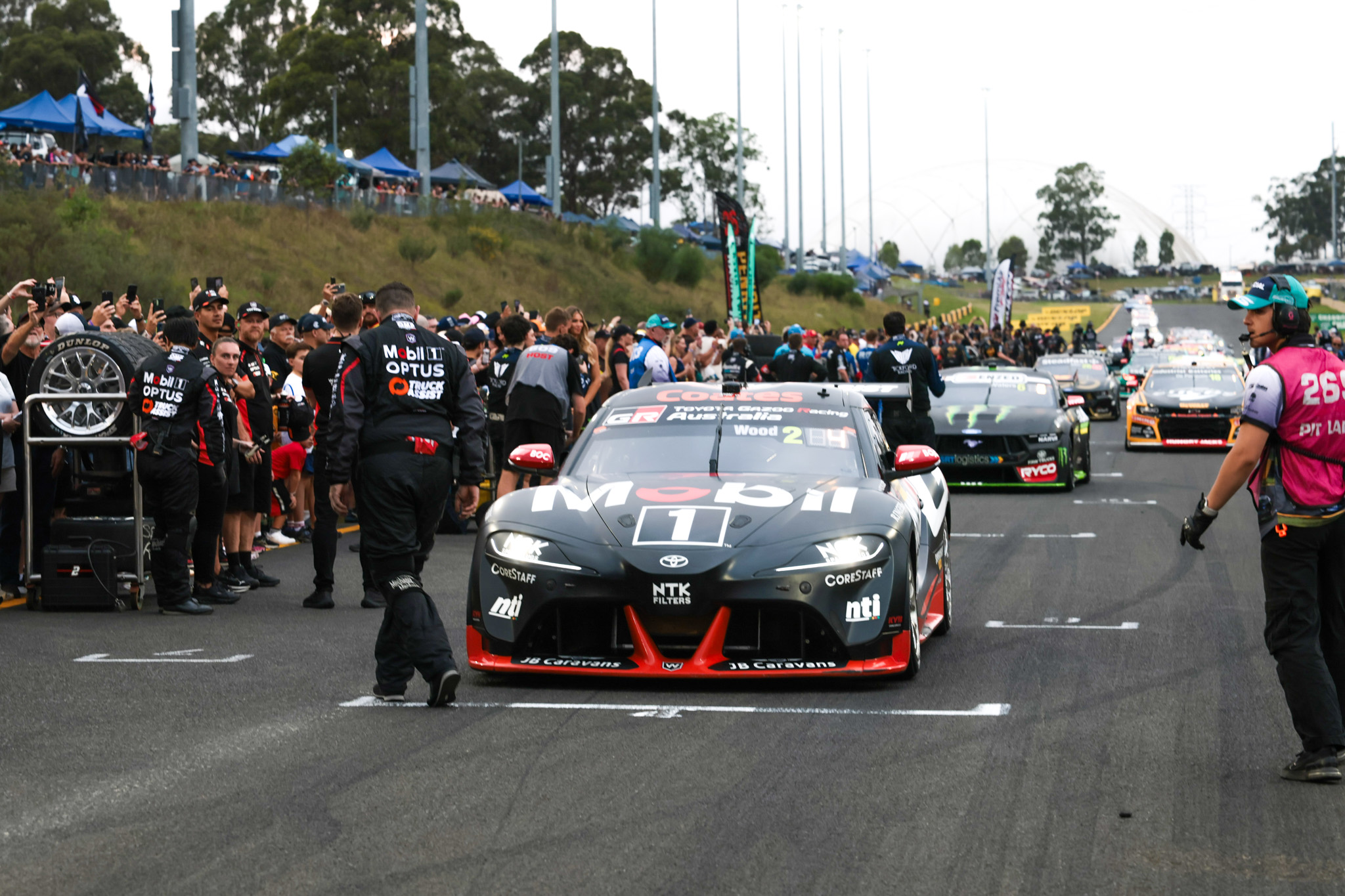
Lisbon, Portugal – Walkinshaw TWG Racing has been penalized championship points following a safety breach during a recent event, sparking debate about adherence to stringent safety regulations within motorsport. The incident, involving the use of an incorrect type of jack during a pit stop, has prompted a strong response from race stewards, emphasizing the paramount importance of personnel safety.
The penalty underscores the critical role of safety protocols in all levels of motorsport, from Formula 1 to regional championships. While the specific event and series haven’t been widely reported in mainstream media as of February 22, 2026, the stewards’ statement, as reported, highlights a zero-tolerance approach to compromising the safety of team personnel working under vehicles. This incident serves as a stark reminder of the potential dangers inherent in motorsport and the necessity for unwavering compliance with established safety standards.
The Core of the Issue: Incompressible Jacks and Personnel Safety
The controversy centers around the use of an “incompressible jack” – a specific type of hydraulic jack mandated by racing regulations. These jacks are designed to maintain a stable lifting pressure even if there is a leak in the system, preventing a sudden and potentially catastrophic drop that could endanger mechanics and other team members working beneath a vehicle. The rule requiring their use is not fresh, having been a long-standing component of safety protocols in motorsport. As stewards emphasized, the regulation is “of critical importance in managing a significant safety risk.”
Air jacks, while lighter and faster to operate, pose a greater risk if they lose pressure. An incompressible jack provides a crucial safety margin, ensuring that the car remains elevated even in the event of a failure. The stewards were unequivocal in their assessment, stating they were “not satisfied that the Team’s explanation is any way mitigatory.” This suggests that Walkinshaw TWG Racing’s justification for using a non-compliant jack was deemed insufficient to excuse the potential safety risk created.
Stewards’ Authority and the Importance of Prevention
The authority of race stewards in enforcing safety regulations is absolute. Their decisions are binding and designed to protect all participants in a motorsport event. Event stewards, as outlined by CMG Global Services Ltd, are the “first line of defence in ensuring a safe and controlled event environment.” Their responsibilities include hazard identification and ensuring compliance with regulations, including those set by governing bodies like the FIA (Fédération Internationale de l’Automobile), though the specific series involved in this incident hasn’t been publicly confirmed.
The stewards’ statement emphasizes a proactive approach to safety, focusing on “prevention” as the ultimate goal. This aligns with best practices in event safety management, where identifying and mitigating potential hazards before they cause harm is paramount. The penalty imposed on Walkinshaw TWG Racing is intended to send a clear message to all teams: safety cannot be compromised, even in the pursuit of faster pit stops or competitive advantage. The incident highlights the necessitate for continuous training and monitoring of team personnel to ensure they are fully aware of and compliant with all safety regulations.
Walkinshaw TWG Racing and the Championship Implications
Walkinshaw TWG Racing is a prominent motorsport team with a history of success in various racing series. While details regarding the specific championship affected by the penalty are currently limited, the loss of points could have significant implications for their overall standings. The severity of the penalty – the exact number of points deducted hasn’t been publicly released – will determine the extent of the impact on their championship aspirations.
The team has not yet issued a public statement addressing the stewards’ decision as of February 22, 2026. We see likely they are reviewing the penalty and considering whether to appeal. Any appeal would be subject to review by the relevant motorsport governing body, which would assess the team’s arguments and determine whether the penalty was justified.
Broader Implications for Motorsport Safety
This incident serves as a timely reminder of the ongoing commitment to safety within motorsport. Over the years, significant advancements have been made in safety technology and regulations, resulting in a dramatic reduction in serious injuries, and fatalities. However, complacency cannot be allowed to creep in. Continuous vigilance and adherence to established protocols are essential to maintaining a safe environment for drivers, mechanics, and all other personnel involved in racing events.
The use of standardized safety equipment, such as the HANS (Head and Neck Support) device and improved crash structures, has played a crucial role in enhancing driver safety. Similarly, strict regulations governing pit stop procedures, including the mandatory use of incompressible jacks, are designed to protect team members from potential harm. As highlighted in stadium steward handbooks, reporting hazards and unsafe conditions is a critical responsibility, extending beyond the track to all areas of event operation.
The Role of Technology in Enhancing Safety
Technology is increasingly being used to enhance safety in motorsport. Advanced data analytics can identify potential risks and predict failures, allowing teams to take preventative measures. Sophisticated monitoring systems can track the performance of safety equipment and alert personnel to any anomalies. Virtual reality simulations are similarly being used to train mechanics and pit crews in safe and efficient procedures.
However, technology is not a substitute for human vigilance and adherence to established protocols. The Walkinshaw TWG Racing incident demonstrates that even with the most advanced technology, a lapse in judgment or a failure to follow regulations can have serious consequences.
Looking Ahead: Continued Focus on Safety
The motorsport community is expected to closely monitor the fallout from this incident. The governing body of the series involved will likely review its safety regulations and procedures to ensure that similar breaches do not occur in the future. Teams will also be reminded of their responsibility to prioritize safety above all else.
The next step in this situation will likely be a formal response from Walkinshaw TWG Racing, outlining their position on the penalty and any potential plans for an appeal. The governing body will then review the team’s response and make a final determination. The outcome of this case will undoubtedly have a lasting impact on safety standards within motorsport.
This incident serves as a crucial reminder that safety is not merely a set of rules, but a fundamental principle that must be ingrained in the culture of motorsport. The commitment to protecting all participants – drivers, mechanics, officials, and spectators – must remain unwavering.
What are your thoughts on the penalty handed down to Walkinshaw TWG Racing? Share your opinions in the comments below, and be sure to share this article with your fellow motorsport enthusiasts.