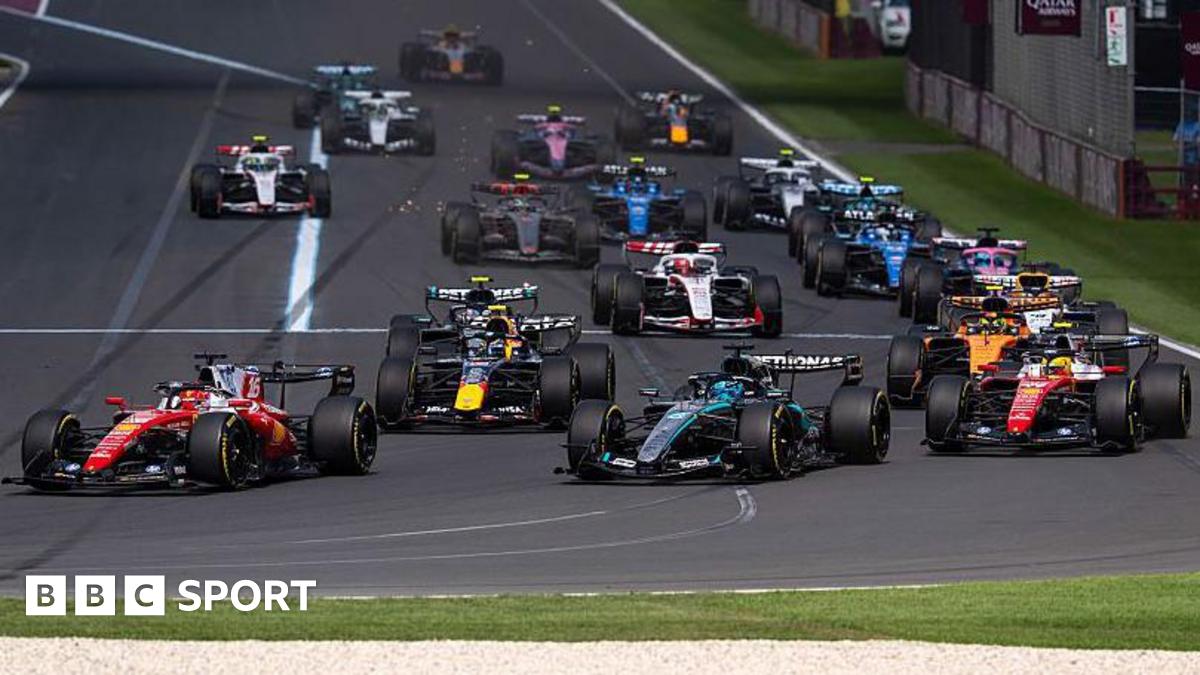
The world of Formula 1 continues to evolve, and sprint races are a key part of that dynamic. For fans eager to understand the format, points system, and schedule for the 2026 season, here’s a comprehensive guide. The sprint format, designed to add another layer of excitement to race weekends, has undergone adjustments in recent years, and understanding these changes is crucial for appreciating the on-track action.
The sprint format was initially introduced to inject more competitive racing into the Grand Prix schedule. It provides a shorter, intense race that determines the grid for the main event. While the core concept remains, the qualifying and scoring systems have been refined to enhance the spectacle and strategic considerations for teams and drivers. The 2026 season promises to build on the foundations laid in previous years, with a continued focus on delivering thrilling sprint races.
Understanding the 2026 F1 Sprint Format
The sprint weekend format, as it stands, features a revised qualifying system designed to streamline the process and increase competition. Sprint qualifying now consists of three sessions – SQ1, SQ2, and SQ3 – mirroring the traditional qualifying format for the main Grand Prix. The key difference lies in the elimination process. In SQ1 and SQ2, the six slowest cars are eliminated, setting the stage for a thrilling SQ3 session where the top ten drivers battle for pole position for the sprint race. Formula 1’s official website details this structure.
The session durations are as follows: SQ1 lasts 12 minutes, SQ2 runs for 10 minutes, and the decisive SQ3 session is 8 minutes long. This compressed timeframe demands precision and strategic tire management from the drivers. The times set in SQ3 determine the starting grid for the sprint race, which is a shorter race – typically around 100 kilometers – held on Saturday. The result of the sprint race then sets the grid for the main Grand Prix on Sunday.
Sprint Race Points System
The points awarded in a sprint race have been a subject of evolution, aiming to strike a balance between rewarding performance and maintaining the importance of the main Grand Prix. Currently, the top eight finishers in the sprint race score points, distributed as follows: 8 points for first place, 7 for second, 6 for third, 5 for fourth, 4 for fifth, 3 for sixth, 2 for seventh, and 1 point for eighth. These points are added to the drivers’ championship standings, contributing to the overall season tally. As reported by Formula 1, this system was implemented to increase the competitive stakes of the sprint race.
This points structure incentivizes drivers to push for every position during the sprint, knowing that even a single point can be crucial in a closely contested championship battle. It also adds another layer of strategic complexity, as teams must weigh the risks and rewards of aggressive driving versus preserving their car for the main race. The impact of sprint race points on the overall championship standings has become increasingly significant, making these shorter races a vital component of the F1 season.
2026 Sprint Race Schedule – Confirmed Races
While the complete 2026 F1 calendar is still being finalized, several races have already been confirmed to include the sprint format. As of early March 2026, the following Grand Prix weekends are scheduled to feature sprint races:
- China (Shanghai International Circuit): The Chinese Grand Prix, which saw Lewis Hamilton’s impressive victory in the 2025 sprint race, will once again host a sprint event. Footage of Hamilton’s 2025 sprint win highlights the excitement this track delivers.
- Miami International Autodrome: The Miami Grand Prix has been confirmed as a sprint race venue for 2026, adding to the spectacle of this relatively new addition to the F1 calendar.
- Austria (Red Bull Ring): The Red Bull Ring in Austria, known for its fast-paced layout, will also feature a sprint race, providing another opportunity for thrilling on-track action.
- United States (Circuit of the Americas): The United States Grand Prix in Austin, Texas, will include a sprint race, further solidifying the growing popularity of F1 in the American market.
- São Paulo (Interlagos): The Brazilian Grand Prix at Interlagos is set to host a sprint race, offering fans another chance to witness intense racing action.
These locations were selected based on their suitability for sprint races, considering factors such as track layout, fan engagement, and logistical considerations. The inclusion of sprint races at these venues is expected to attract large crowds and generate significant excitement among F1 fans worldwide.
Lewis Hamilton’s Sprint Success and Future Prospects
The 2025 Chinese Grand Prix provided a memorable moment for Lewis Hamilton, securing his first victory as a Ferrari driver in the sprint race. He outpaced Max Verstappen and Oscar Piastri, demonstrating the competitiveness of the Ferrari team and Hamilton’s exceptional driving skills. Highlights of the 2025 Chinese Grand Prix sprint showcase the intense battle for the lead.
Hamilton’s performance underscored the importance of adapting to the sprint format and maximizing every opportunity. His ability to deliver under pressure and extract the most from his car proved crucial in securing the win. Looking ahead to the 2026 season, Hamilton will undoubtedly be a strong contender in sprint races, leveraging his experience and the continued development of the Ferrari car. The competition is expected to be fierce, with Verstappen and other top drivers also aiming to dominate the sprint events.
The Evolution of Sprint Races: A Look Back
The sprint race format has undergone several iterations since its introduction in 2021. Initially, the sprint qualifying format was different, with a shorter qualifying session determining the grid for the sprint race. However, feedback from teams and fans led to adjustments, including the current SQ1, SQ2, and SQ3 system. These changes were aimed at improving the spectacle and ensuring that the sprint race remained a meaningful event within the Grand Prix weekend.
The points system has also been revised to increase the stakes and incentivize drivers to compete aggressively. The current system, awarding points to the top eight finishers, has been well-received by teams and fans alike. The ongoing evolution of the sprint race format demonstrates F1’s commitment to innovation and delivering an exciting and engaging experience for fans around the world.
As the 2026 season unfolds, fans can expect more thrilling sprint races, strategic battles, and memorable moments. The format continues to be a dynamic element of the F1 calendar, adding another layer of excitement to the world’s premier motorsport championship.
The next major update regarding the 2026 F1 calendar and sprint race schedule is expected following the FIA’s World Motor Sport Council meeting in June 2026. Stay tuned to World Today Journal for the latest developments and in-depth coverage of the Formula 1 season. We encourage you to share your thoughts on the sprint race format and the upcoming season in the comments below.
Worth a look
- Steelers Open 2026 Training Camp With Defensive Wins and Drew Allar TD
- Wu Yize Dominates Si Jiahui with Three Centuries to Reach Shanghai Masters Quarter-Finals
- Why Bluetooth Still Works in Airplane Mode (daybreakwire.com)
- Dow Jones Plunges 555 Points as Middle East Tensions Spike Oil Prices (archyworldys.com)