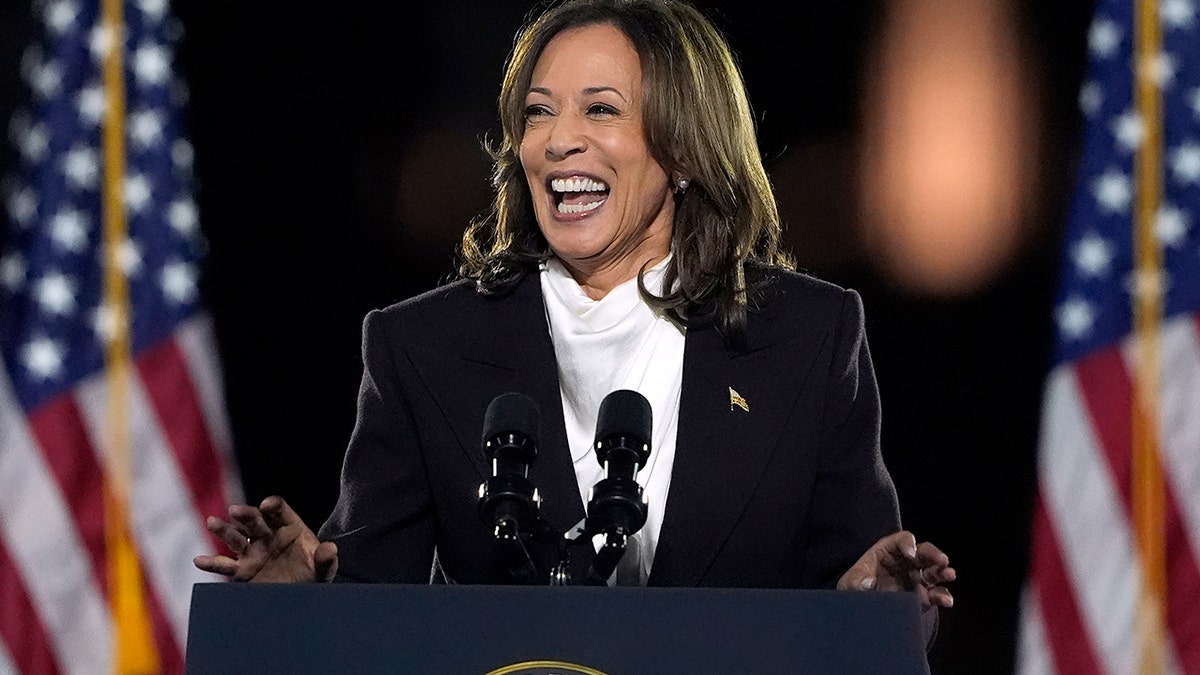
Following a period of significant internal discourse, the Democratic National Committee (DNC) has released a formal post-election assessment examining the party’s performance during the 2024 campaign cycle. This document, which addresses the loss of the presidency and broader electoral outcomes, serves as an official effort to diagnose the strategic challenges faced by the party. The report, which is now available for public review, provides a candid look at the factors that party leadership believes contributed to the 2024 election results, including a critical examination of the campaign strategy led by Vice President Kamala Harris.
As the political landscape shifts toward the next cycle, this post-election autopsy offers a detailed, if sobering, perspective on the current state of the Democratic Party. The analysis highlights a disconnect between the party’s messaging and the priorities of a broad segment of the American electorate. By releasing this assessment, the DNC aims to establish a foundation for structural and thematic changes, acknowledging that the path forward requires a departure from certain campaign tactics that proved ineffective in the most recent national contest.
Strategic Miscalculations and Messaging Challenges
A central focus of the internal review is the role of what the report characterizes as “identity politics” in the 2024 electoral strategy. The document suggests that an over-reliance on specific interest-group messaging may have alienated a larger, more diverse base of voters who were primarily concerned with economic stability and bread-and-butter issues. According to the official DNC assessment, the campaign struggled to articulate a vision that resonated across geographical and cultural divides, leading to a loss of ground in key battleground states.
The report also points to the challenges inherent in the abbreviated campaign timeline following the withdrawal of President Joe Biden from the race. The transition to Kamala Harris as the nominee created immediate logistical and narrative hurdles that the party was reportedly unable to fully overcome. The assessment notes that the campaign often found itself on the defensive, reacting to Republican messaging rather than setting the national agenda. This reactive posture, the report argues, prevented the campaign from effectively defining the stakes of the election in a way that captured the attention of undecided or disillusioned voters.
Moving Forward: A Call for Reform
Looking ahead, the DNC’s findings suggest that the party must prioritize a more inclusive economic message that transcends traditional demographic boundaries. The autopsy serves as an acknowledgment that the party’s previous approach to coalition-building—often viewed through the lens of specific demographic identity—must evolve if the party intends to regain its footing in national elections. The document emphasizes the necessity of direct engagement with working-class voters who have increasingly drifted toward the Republican Party over the last several cycles.
Institutional changes are also expected to follow the release of this report. Party officials have indicated that the findings will inform the restructuring of outreach departments and the development of new communication strategies. For those following the internal developments of the Democratic Party, the autopsy provides a window into the tension between the party’s progressive wing and its more moderate elements, both of which are currently advocating for different paths toward electoral recovery.
Next Steps and Official Oversight
The release of this report is not the end of the party’s self-reflection process. The DNC is scheduled to hold a series of regional meetings over the coming months to discuss the findings and solicit feedback from state and local party chairs. These discussions are intended to synthesize the national report’s recommendations with the realities of state-level campaigning, where political dynamics often differ significantly from the national narrative.
For observers and voters, the next major checkpoint will be the upcoming DNC winter meeting, where party leadership is expected to outline specific policy platforms and organizational updates based on these findings. As the party works to integrate these lessons, the focus will remain on whether these structural shifts can translate into tangible electoral gains in the next cycle. We encourage our readers to share their thoughts on the implications of this report in the comments section below, and to stay tuned as we continue to track these developments as they unfold.
Keep reading