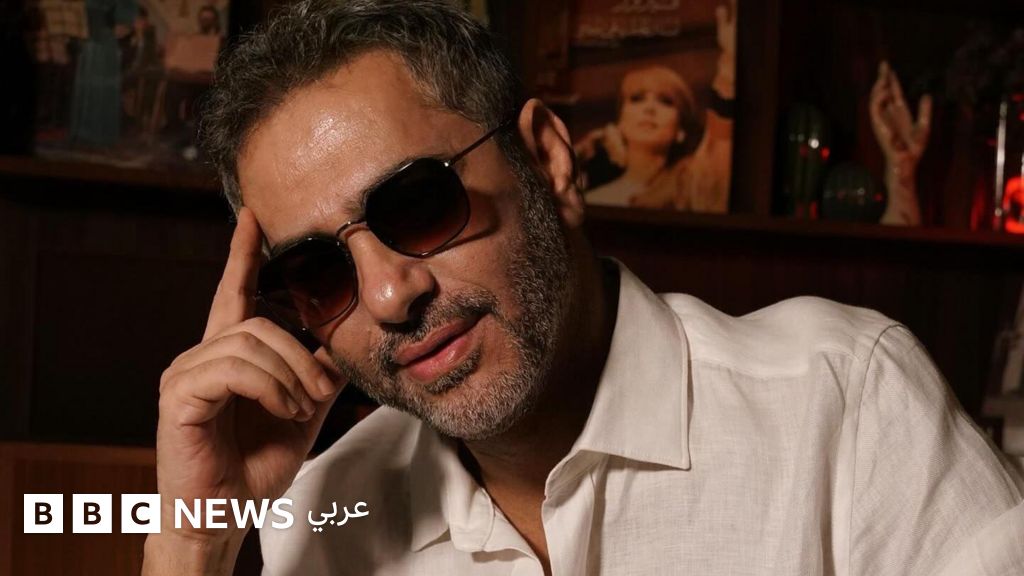
A Lebanese military court has approved the release of singer Fadel Shaker on bail, according to judicial sources and reports from CNN Arabic and Sky News Arabia. The decision follows a series of legal proceedings involving the artist, who has faced years of legal challenges and accusations related to security events in Lebanon.
According to reports from Okaz and Monte Carlo Doualiya, the court's decision to grant bail allows the singer to leave detention while his legal status remains under review. This development marks a significant shift in a case that has spanned several years and involved complex allegations of terrorism and security breaches.
Shaker, once one of the most prominent romantic singers in the Arab world, became a fugitive after being accused of involvement in armed clashes and supporting militant activities. His legal battle has been characterized by a long absence from Lebanon, followed by attempts to resolve his status through the Lebanese judicial system.
Legal Basis for the Release of Fadel Shaker
The Lebanese military court granted the release of Fadel Shaker based on a financial guarantee, or bail. According to a judicial source cited by Monte Carlo Doualiya, the court agreed to the release after reviewing the current state of the case and the testimonies provided. Reports from Okaz specifically attribute the timing of this decision to the testimony of army generals, which reportedly influenced the court’s urgent ruling to grant the singer his freedom.

Under Lebanese law, the military court handles cases involving national security and crimes committed by or against military personnel. The decision to grant bail indicates that the court no longer views Shaker’s immediate detention as necessary for the completion of the trial or the security of the state, though the underlying charges have not been dismissed.
The financial bail serves as a legal mechanism to ensure the defendant’s appearance at future hearings. While the exact amount of the bail was not detailed in the immediate reports, the process follows standard Lebanese judicial procedure for high-profile defendants facing security-related charges.
Timeline of Accusations and Legal Conflict
The legal troubles for Fadel Shaker began following the 2013 clashes in Sidon, where Hezbollah-linked militants fought with the Lebanese army. Shaker was accused of supporting the militants and participating in the unrest. According to BBC reports, these accusations led to an arrest warrant and his subsequent flight from Lebanon to avoid prosecution.
For years, Shaker remained outside the country, often releasing music from abroad while maintaining his innocence. He claimed that he was a victim of political circumstances and that his involvement was limited to humanitarian concerns rather than militant activity. The Lebanese judiciary, however, maintained that his actions constituted a threat to national security.
The transition from being a fugitive to appearing before the military court involved complex negotiations and legal filings. The recent decision by the military court to grant bail is the culmination of these legal efforts.
Impact on the Artist’s Career and Public Standing
According to BBC analysis, the "political stain" of the Sidon clashes overshadowed his musical contributions for over a decade.

However, the legal process is not yet complete. The distinction between "release on bail" and "acquittal" is critical; Shaker remains a defendant in a military trial, and his final legal status depends on the court's ultimate verdict.
Comparison of Media Reporting on the Release
Different news outlets have framed the release of Fadel Shaker with varying degrees of emphasis. Sky News Arabia and CNN Arabic focused on the procedural aspect of the “financial bail,” presenting the news as a straightforward judicial update. In contrast, Okaz highlighted the role of the “army generals,” framing the release as a direct result of high-level military testimony, which adds a layer of institutional influence to the narrative.
The BBC provided broader context, focusing on the “story of how it began and where it arrived,” treating the release as part of a larger sociological and political arc rather than just a legal event. This contrast shows that while the fact of the release is undisputed, the perceived cause—whether it be purely legal, military, or political—varies across regional reporting.
| Outlet | Primary Focus of Report | Key Attribution |
|---|---|---|
| CNN Arabic / Sky News | Procedural release via financial bail | Judicial sources |
| Okaz | Influence of military testimony | Army generals’ statements |
| BBC | Long-term narrative and origin of the case | Case history/Contextual analysis |
What Happens Next for Fadel Shaker
The final checkpoint in this legal journey will be the court's ultimate ruling on the charges of terrorism and security breaches. Until a final verdict is reached, Shaker's status is that of a released defendant, not a cleared citizen.