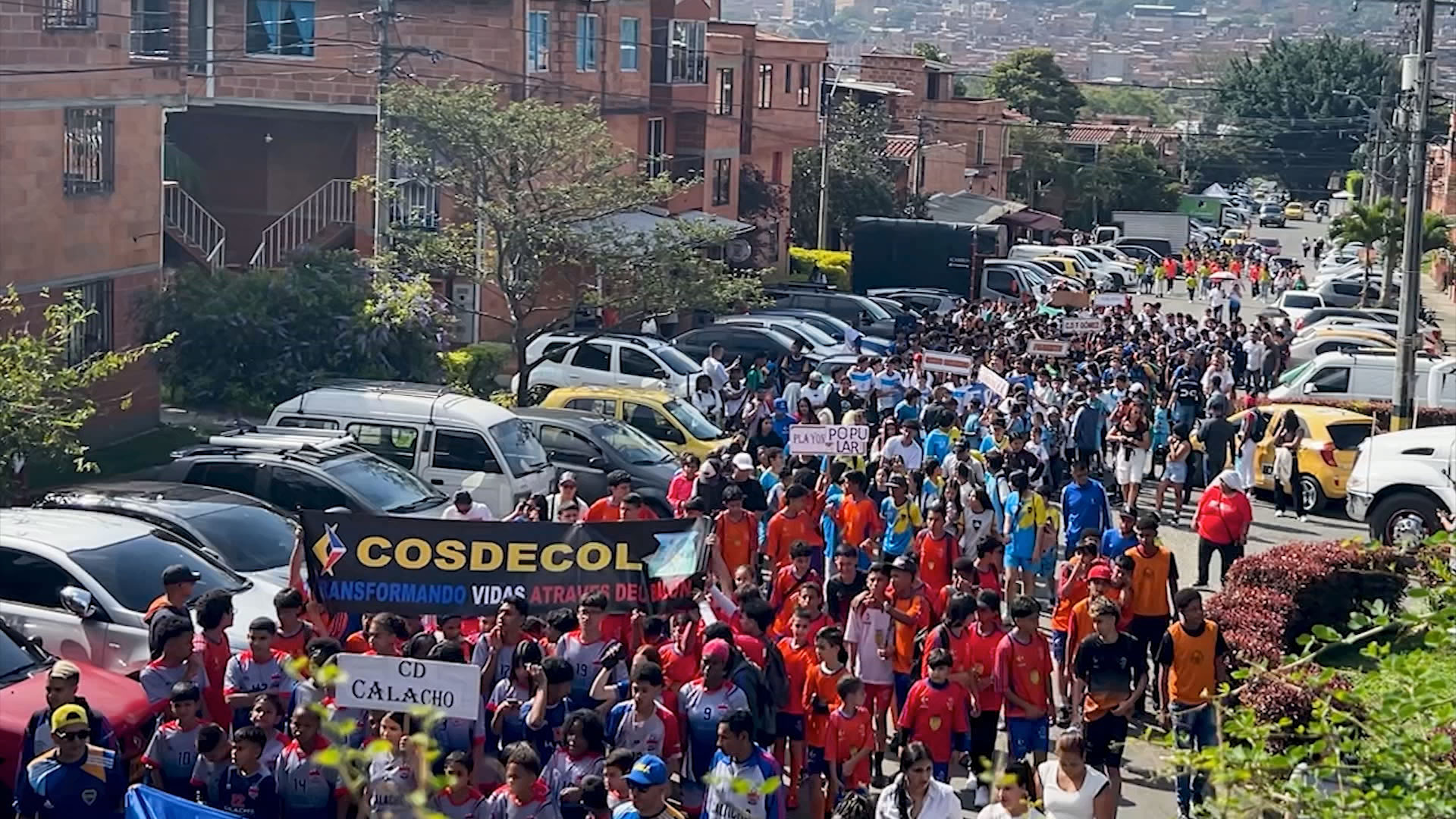
Medellín, Colombia, once internationally recognized as the epicenter of global drug trafficking and record-high homicide rates, has undergone a profound demographic and social shift over the past three decades. While the city remains a complex urban environment, recent data from the Colombian National Police and the Mayor’s Office of Medellín indicate a sustained reduction in violent crime compared to the peak crisis years of the 1980s and 1990s. This transformation is increasingly attributed to integrated social urbanism programs, which leverage community-led sports initiatives and faith-based outreach to provide alternatives to criminal recruitment for at-risk youth.
The city’s evolution from a hub of cartel-driven violence to a center for innovation and social cohesion is a subject of ongoing academic and journalistic study. According to reports from the Brookings Institution, the strategic implementation of public infrastructure in previously neglected, high-violence neighborhoods—often referred to as comunas—has been central to this trend. These projects, which include libraries, parks, and cable car systems that connect marginalized hillsides to the city center, have created physical spaces where community interaction and organized sports can thrive.
The Role of Soccer in Community Reintegration
Soccer, or fútbol, serves as more than a recreational activity in Medellín; it acts as a primary vehicle for social intervention. Local organizations, often operating with support from municipal grants and international non-profits, use soccer academies to teach conflict resolution and teamwork. As noted by the United Nations Children’s Fund (UNICEF) in Colombia, sports-based programs are effective in providing a structured environment that keeps adolescents away from the influence of illegal armed groups.
These initiatives often partner with local faith-based organizations to provide a holistic support system. By integrating mentorship with athletic training, these groups address the psychological and social needs of youth living in areas still recovering from the legacy of cartel activity. The focus is on creating a sense of belonging that replaces the structure historically offered by criminal gangs.
Faith-Based Initiatives and Social Stability
Religious institutions in Medellín have played a historically significant role in facilitating dialogue between conflicting neighborhood factions. During periods of intense urban warfare, local church leaders frequently acted as mediators to establish temporary truces. Today, this influence has transitioned into long-term social programs. According to the United States Institute of Peace, faith-based organizations continue to be among the most trusted entities in local communities, providing essential services such as food security, counseling, and vocational training.
These efforts are frequently coordinated with the city’s “Social Urbanism” initiatives, which seek to formalize the presence of the state in areas that were historically under-served or controlled by non-state actors. By blending spiritual support with tangible community development, these groups have successfully fostered a culture of resilience among the city’s younger generations.
Statistical Trends in Public Safety
The decline in violence is quantifiable, though challenges remain. Data published by the Medellín Cómo Vamos program—a collaborative effort that monitors the quality of life in the city—shows a consistent downward trend in homicide rates over the last 20 years. In 1991, the city recorded approximately 380 homicides per 100,000 residents; by 2023, that figure had dropped significantly, although it remains subject to fluctuations influenced by local gang dynamics and drug trade routes.
This data is critical for understanding the nature of the city’s “redemption.” Rather than a sudden cessation of all criminal activity, the situation is characterized by a long-term transition toward state-led governance and community-integrated social programs. The interaction between local government policy and grassroots initiatives remains the primary mechanism for maintaining this stability.
Current Challenges and Future Outlooks
Despite these advancements, authorities acknowledge that systemic issues such as income inequality and the presence of organized criminal structures persist. The Human Rights Watch reports on Colombia emphasize that while urban centers like Medellín have improved, the protection of human rights defenders and the reintegration of former combatants remain complex tasks. Future progress depends on the continued funding of social programs and the ability of the municipal government to maintain trust within the comunas.
The next major checkpoint for these initiatives involves the implementation of the current city administration’s 2024-2027 development plan, which includes specific allocations for youth sports programs and social welfare expansion. Updates regarding the progress of these municipal projects will be made available through the official Alcaldía de Medellín portal as reports are finalized throughout the coming year.
The situation in Medellín continues to evolve. Readers interested in the intersection of urban development and social policy are encouraged to monitor updates from the Medellín Cómo Vamos reports. Please share your thoughts or questions in the comments section below.
Related reading