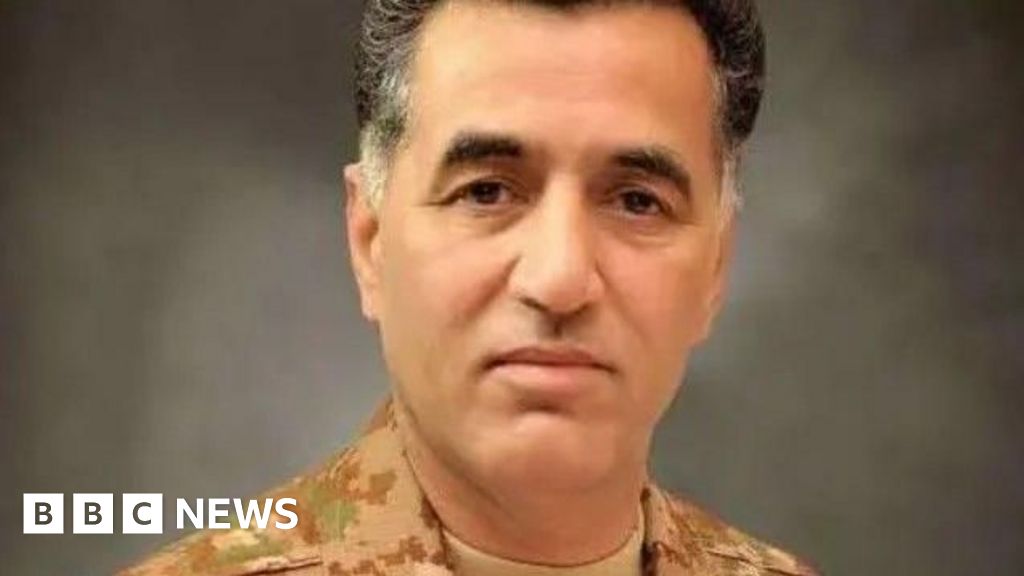
Pakistan’s Former ISI Chief Sentenced: A Deep Dive into the Case adn its Implications
The recent sentencing of Faiz Hameed, former director-general of Pakistan’s powerful Inter-Services Intelligence (ISI) agency, to 14 years in prison has sent ripples through the nation’s political and military landscape.This unprecedented court martial of a former ISI chief raises critical questions about the boundaries of political interference, the accountability of intelligence officials, and the future of civil-military relations in Pakistan. This article provides a comprehensive analysis of the case, its background, the charges, and potential ramifications.
Who is Faiz Hameed and Why Does This Matter?
Faiz Hameed served as the head of the ISI from 2019 to 2021, a period coinciding with the tenure of then-Prime Minister Imran Khan. Considered a key ally of Khan, Hameed’s influence extended beyond intelligence gathering, reportedly playing a significant role in shaping political strategies. His early retirement following Khan’s ouster in 2022 fueled speculation about his loyalty and potential involvement in political maneuvering.
The significance of this case lies in the position Hameed held.the ISI chief is widely regarded as the second most powerful figure within Pakistan’s military establishment. therefore, holding a former director-general accountable through a court martial is a landmark event, signaling a potential shift in how the military addresses allegations of overreach.
The Charges and the Court Martial Process
The 15-month-long court martial,initiated on August 12,2024,under the Pakistan Army Act,resulted in Hameed’s conviction on four key charges:
* Involvement in Political Activities: Accusations centered around Hameed’s alleged interference in the political sphere,exceeding the boundaries of his official duties.
* Violation of the Official Secrets Act: The prosecution argued that Hameed’s actions compromised state secrets and harmed Pakistan’s national interests.
* Misuse of Power and Government Resources: Hameed was accused of abusing his authority and utilizing state resources for personal or political gain.
* Causing Harm to Citizens: this charge suggests that Hameed’s actions directly or indirectly led to harm or disadvantage for pakistani citizens.
According to the military’s public relations wing, ISPR, hameed was afforded full legal rights, including the ability to assemble a defense team of his choosing. He also retains the right to appeal the verdict to the Supreme Court of Pakistan. Though, details of the closed-door proceedings remain largely undisclosed.
Allegations of Political Agitation and the May 9th Protests
Beyond the formal charges, the ISPR statement indicated that Hameed’s alleged role in inciting political unrest is being investigated separately. This likely refers to allegations linking him to the violent protests that erupted on May 9, 2023, following the arrest of Imran Khan.
These protests, marked by clashes between demonstrators and security forces, posed a significant challenge to the stability of the Pakistani government.If proven, Hameed’s involvement in these events would further solidify the accusations of political interference.
The Appeal Process and Legal Perspectives
Hameed’s lawyer, Mian Ali Ashfaq, maintains his client’s innocence, stating he is “1,000% innocent.” The legal team learned of the verdict through the ISPR press release and is now seeking a copy of the full decision to formulate an appeal.
The initial appeal will be directed to the army chief, with the possibility of further appeals to the Supreme Court. Ashfaq expressed optimism that a thorough review of the case will ultimately lead to a favorable outcome for his client.
Implications for Pakistan’s Political Future
This case has far-reaching implications for Pakistan’s political landscape. Here’s what you need to consider:
* Civil-Military Relations: The court martial could signal a move towards greater civilian control over the military, a long-standing issue in Pakistani politics.
* Accountability of Intelligence Agencies: Holding a former ISI chief accountable sets a precedent for greater openness and oversight of intelligence operations.
* Political Polarization: The case is likely to further exacerbate existing political divisions, particularly between supporters and opponents of Imran Khan.
* **Future of Imran