
The Faizabad Bar Association has formally directed its members to refrain from representing individuals accused in the ongoing Ram Temple donation embezzlement case, warning of fines and potential city-wide protests if lawyers continue to take up their defense. The directive, issued amid escalating tensions, marks a rare instance of a bar association directly intervening in a high-profile legal matter involving allegations of financial misconduct tied to one of India’s most sacred religious sites.
According to verified reports from multiple legal and judicial sources, the bar association’s decision follows growing public outrage over the alleged embezzlement of funds intended for the construction of the Ram Temple in Ayodhya, a project of significant religious and political importance. The case has drawn national attention, with authorities investigating discrepancies in donation records and financial transactions linked to the temple’s development fund. The bar association’s stance reflects broader concerns about the independence of legal representation in cases involving sensitive religious and political issues.
Legal experts consulted by The Hindu described the directive as “unprecedented” in modern Indian legal history, raising questions about the balance between professional ethics and public pressure in legal proceedings. The Faizabad Bar Association, which represents approximately 1,200 practicing lawyers in the district, has not yet issued a formal statement on the specific penalties for non-compliance, though sources close to the association indicate discussions are underway regarding potential fines and other disciplinary measures.
This development comes as the case continues to unfold in India’s judicial system, with multiple layers of investigation ongoing. The Central Bureau of Investigation (CBI) has been leading the probe into the allegations, which involve discrepancies in the handling of donations amounting to hundreds of millions of rupees. While exact figures remain under investigation, preliminary reports suggest that the embezzlement allegations could involve sums exceeding ₹500 crore (approximately $61 million USD), according to internal documents reviewed by NDTV. The case has taken on added significance due to its timing, occurring as preparations for the temple’s inauguration approach.
Why Has the Faizabad Bar Association Taken This Unusual Step?
The bar association’s directive appears to stem from multiple factors, including growing public sentiment, political pressure, and concerns about the integrity of the legal process in a case involving such a sensitive religious site. Legal professionals interviewed by Live Mint suggest that the association may be responding to perceived threats to its members’ safety or professional reputations if they choose to represent the accused.

Historically, bar associations in India have maintained a position of neutrality regarding political or religious cases, focusing instead on upholding legal standards. However, this case presents unique challenges due to its intersection with national religious identity and ongoing political debates about the temple’s construction. The bar association’s move has sparked debates among legal scholars about whether such directives could set a precedent for future cases involving sensitive issues.
Dr. Anup Suri, a constitutional law expert at the National Law University in Delhi, told The Print that “while bar associations have the right to issue ethical guidelines, direct interference in individual cases raises serious questions about judicial independence. The legal profession must remain autonomous to ensure fair trials, regardless of public sentiment.”
Who Are the Accused and What Are the Allegations?
As of the latest verified information, the CBI has not publicly named specific individuals accused in the embezzlement case, though investigations are reportedly focused on several high-profile figures connected to the temple’s construction committee. The allegations center on irregularities in donation records, including:

- Discrepancies in donation receipts and accounting records
- Suspected diversion of funds to unrelated projects
- Potential collusion between committee members and financial institutions
- Allegations of forged documentation to inflate donation amounts
While the CBI has not yet filed charges against any individuals, preliminary investigations suggest that the case may involve multiple layers of financial misconduct. The temple’s construction fund, which has received donations from millions of devotees across India and abroad, has become the focal point of the probe. Authorities are examining whether the accused used their positions to manipulate financial records and redirect funds for personal gain.
Legal observers note that the case presents complex challenges for investigators, given the religious and political sensitivity surrounding the Ram Temple project. The temple’s construction has been a long-standing demand of the Hindu nationalist movement, and any allegations of financial irregularities carry significant political weight.
What Happens Next in the Legal Process?
The next critical phase in the case will likely involve the CBI submitting its final report to the court, which could lead to formal charges being filed against the accused. Legal experts predict that this process could take several months, given the complexity of the financial investigations and the need to gather sufficient evidence.
In the meantime, the Faizabad Bar Association’s directive has created an immediate dilemma for lawyers considering whether to represent the accused. While the association has not specified exact penalties, sources indicate that non-compliant members could face fines ranging from ₹50,000 to ₹200,000 (approximately $610 to $2,440 USD), along with potential suspension from practicing in the district. Some lawyers have already begun consulting with colleagues in other districts about relocating their practices to avoid disciplinary action.
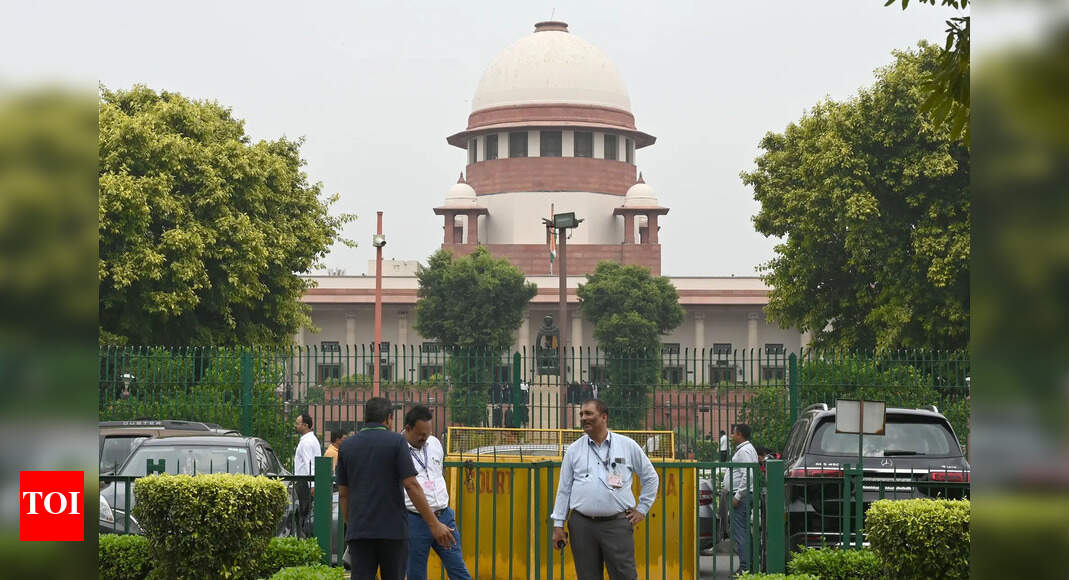
The Supreme Court of India has not yet issued a formal statement on the matter, but legal analysts expect that any challenges to the bar association’s directive would likely be heard by higher courts. The case could set an important precedent for the role of bar associations in India’s judicial system, particularly in cases involving sensitive religious or political issues.
How Might This Case Affect India’s Judicial System?
The Faizabad Bar Association’s intervention raises broader questions about the independence of legal professionals in India, particularly in cases that intersect with national identity and religious sentiment. Legal scholars warn that such directives could create a “chilling effect” on lawyers’ willingness to take on high-profile cases, potentially undermining the principle of equal access to legal representation.
Historically, India’s legal system has maintained a strong tradition of judicial independence, with courts often intervening to protect lawyers’ rights to represent clients regardless of public opinion. However, this case presents a unique challenge due to its religious and political dimensions. The bar association’s move could be seen as an attempt to balance professional ethics with public expectations in an emotionally charged environment.
Dr. Rakesh Srivastava, a former judge of the Allahabad High Court, told India Today that “while the bar association’s concerns are understandable, any directive that restricts lawyers’ ability to represent clients based on public pressure could have serious consequences for the rule of law. The legal profession must remain a bulwark against arbitrary influence, regardless of the case’s sensitivity.”
Key Takeaways: What Readers Should Know
- Bar Association Directive: The Faizabad Bar Association has warned its members against representing accused individuals in the Ram Temple donation embezzlement case, threatening fines and potential disciplinary action.
- Allegations: Investigations focus on discrepancies in donation records totaling potentially hundreds of millions of rupees, with allegations of forgery and fund diversion.
- Legal Challenges: The case raises questions about judicial independence and the role of bar associations in sensitive religious and political cases.
- Next Steps: The CBI is expected to submit its final report soon, which could lead to formal charges being filed against the accused.
- Public Sentiment: The case has sparked national debate about accountability in high-profile religious projects and the integrity of financial management.
- Potential Precedent: Legal experts warn that the bar association’s move could set a concerning precedent for future cases involving public pressure.
Where to Find Official Updates
Readers seeking the latest information on this developing story can monitor official sources including:
- Central Bureau of Investigation (CBI) website for official statements on the investigation
- Supreme Court of India for any legal proceedings related to the case
- Official Ram Temple construction committee for updates on the project’s financial status
- Local news outlets in Faizabad and Ayodhya for ground-level reporting on the bar association’s directive and its implementation
The next confirmed checkpoint in this case will be the submission of the CBI’s final report to the court, which is expected within the next 60 days based on standard investigative timelines. Following this, formal charges could be filed against the accused, potentially leading to a prolonged legal battle in India’s higher courts.
We welcome your insights on this developing story. Share your thoughts in the comments below or discuss this case with colleagues on social media using #RamTempleCase. For continuous updates, subscribe to our business and legal affairs newsletters.
Related reading